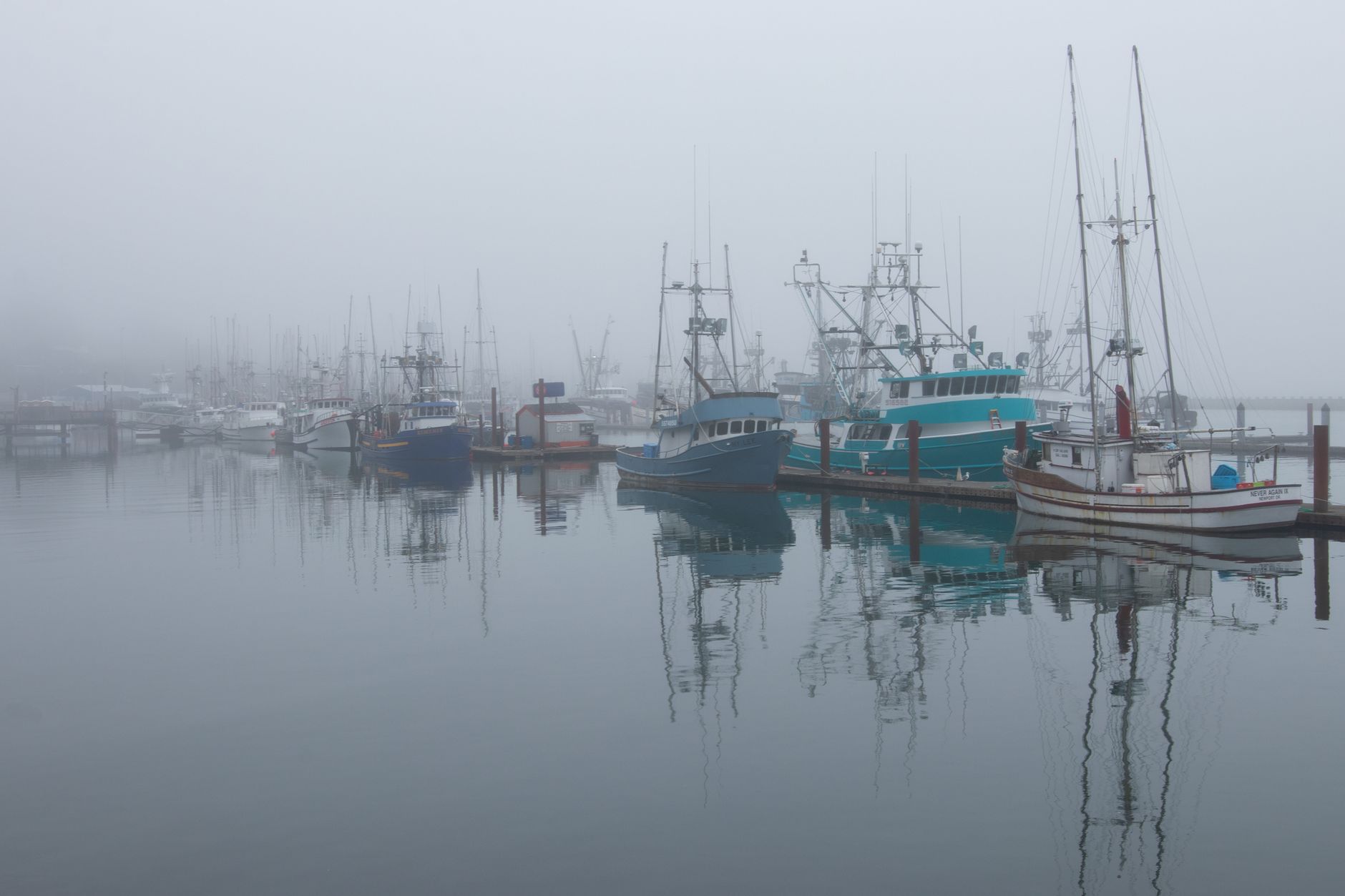
Imagine standing on the edge of the Mediterranean Sea during the first century. The water isn’t the calm, turquoise postcard image you’re used to. It’s dark, churning, and thick with salt. For a fisherman, the weather wasn’t just a nuisance; it was a verdict. If the wind shifted wrong, the difference between a full net and an empty boat was measured in seconds. And yet, these men went out. They didn’t wait until the sky turned blue. They went out because they knew the sea better than anyone else, but even more importantly, they trusted the rhythm of the tides.
That tension—between the chaotic nature of the world and the steady pull of something deeper—is exactly where we find ourselves right now. It’s early autumn. The leaves are turning, not all at once, but in a slow, undeniable wave. Schools have started. The summer noise has faded into a quieter hum. We are in the middle of a transition. Old routines are dissolving, and new ones haven’t quite set in. It’s a time for reflection, but also for uncertainty.
When we talk about trusting God in uncertain times, we often reach for big, dramatic metaphors. Storms. Mountains. Fire. But trust isn’t usually a roar. It’s a whisper. It’s the quiet confidence that holds you together when everything else is falling apart. To understand how that works, we need to look at it through three different lenses. Each one reveals a different facet of the whole picture.
The Lens of Scripture: The Anchor That Holds
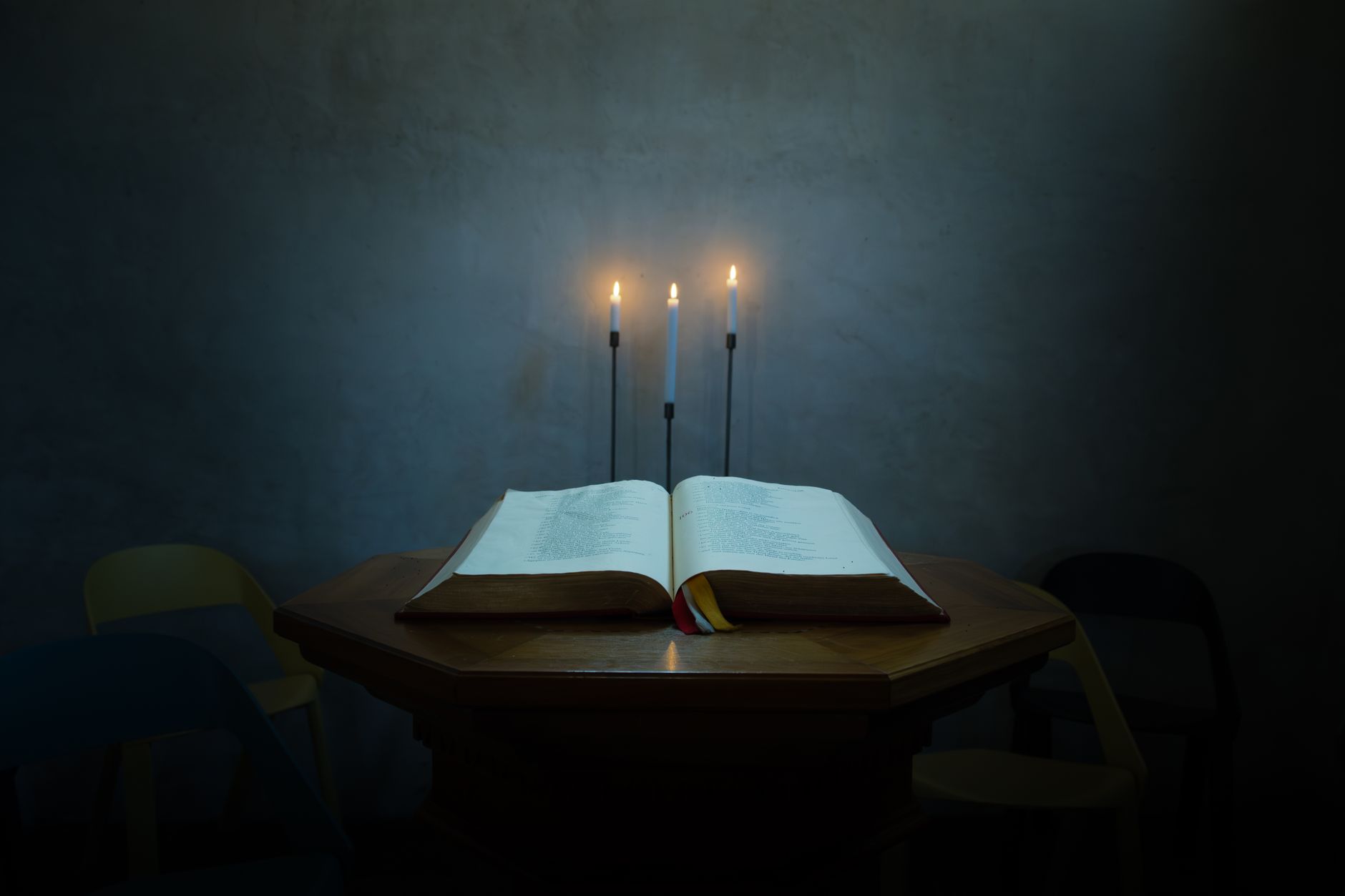
Let’s start with what the Bible actually says. There’s a verse that hits differently when you’ve been struggling with anxiety or doubt. It’s .
"This hope we have as an anchor for the soul, solid and secure."
Think about that word: anchor. An anchor doesn’t control the ship. It doesn’t steer the course. It doesn’t even move the ship forward. Its job is singular and specific: to hold. When the current pulls, the wind pushes, and the waves crash, the anchor digs in. It provides stability. It prevents the ship from drifting away into the unknown.
This is crucial. Many of us think trust in God means He removes all obstacles. We expect Him to smooth the path, clear the fog, and show us every step ahead. But that’s not what an anchor does. An anchor allows the ship to remain in place even when the waters are rough. It acknowledges that the sea is still moving. The wind is still blowing. But you are held. You are not lost. You are secure, even if you can’t see the shore yet.
There’s another aspect to this that’s often overlooked. Trust isn’t just about holding on; it’s also about releasing. In the Gospels, Jesus often tells people to let go of their worries. He says, "Do not worry about tomorrow" (). This is hard. We love to plan. We love to control. We want to know what’s coming next. But faith asks us to release that grip. It asks us to let God handle the steering while we focus on being anchored.
I’ll be honest. I’ve struggled with this. There were seasons in my life where I felt like I was just drifting. The anchor felt loose. I’d pray, but I wouldn’t feel the response. I’d read the Bible, but the words felt flat. I’d wonder, "Is He really there? Or am I just making this up?" That doubt is real. It’s part of the process. But the anchor holds. Even when you can’t feel it digging in, it’s working.
The Lens of History: The Faithfulness of the Past
Now, let’s zoom out. Scripture gives us the principle, but history gives us the proof. When we look at the history of the Church, we see a pattern. Generation after generation, believers have faced uncertainty. Wars. Plagues. Political upheaval. Persecution. Economic collapse. And in every case, the same thing happened: they trusted. They held on. They kept going.
Consider the early Church. They were scattered, poor, and often hated. They lacked buildings. They possessed no political power. Their future looked bleak. Yet, they grew. Why? Because they had an anchor. They had a hope that was solid and secure. It wasn’t based on their circumstances. It was based on a Person.
Or look at the Reformation. Martin Luther and his followers were up against the might of the Catholic Church and the political powers of Europe. The odds were stacked. The outcome was uncertain. But they stood firm. They didn’t waver. They trusted in the Word of God, even when the world told them otherwise.
This historical perspective is comforting. It reminds us that we are not the first to face uncertainty. We aren't the initial group to doubt. We haven't been the sole ones to feel lost. We are part of a long chain of believers who have walked this path before us. Their faithfulness proves the reliability of God. If He held them, He will hold us.
There’s a beautiful parallel here with the season we’re in. Autumn is a time of harvest. But it’s also a time of decay. The leaves fall. The trees bare their branches. It looks like death. But it isn’t. It’s preparation. It’s rest. It’s gathering strength for the spring. In the same way, our times of uncertainty are not signs of failure. They are signs of growth. They are the season where we gather our strength, deepen our roots, and prepare for what’s coming next.
The Lens of Practice: How to Drop the Anchor Today
What does it look like to drop the anchor in our daily lives? It’s not just a theoretical concept. It is a practical reality. It is something we can do. Something we can experience. Something we can live.
First, it means slowing down. We live in a fast-paced world. We’re always rushing. Always multitasking. Always trying to get more done. But anxiety thrives in speed. It feeds on the chaos. To counteract that, we need to slow down. We need to create space. Space to breathe. Space to think. Space to listen. Maybe that means taking a walk without your phone. Maybe it means sitting in silence for ten minutes. Maybe it means turning off the news for a day. Whatever it looks like, the goal is the same: to reduce the noise so you can hear the signal.
Second, it means focusing on the present. Anxiety is a time traveler. It usually lives in the future. It worries about things that haven’t happened yet. It predicts disaster. It rehearses failure. But faith grounds us in the present. It brings us back to now. Right here. Right this second. And in this moment, God is with you. This is the promise. Not necessarily in the next month. Not necessarily in the next year. But right now. In this breath. In this heartbeat. You are held.
Third, it means speaking to yourself with grace. This one is subtle, but powerful. We are often harder on ourselves than anyone else. We critique our performance. We judge our progress. We measure ourselves against unrealistic standards. But God speaks to us with grace. He sees our effort. He understands our limits. He celebrates our small victories. We need to internalize that voice. We need to replace our harsh inner critic with a compassionate mentor. We need to start talking to ourselves the way Jesus talks to us: gently, patiently, and with love.
These aren’t complicated tasks. They don’t require special training. They don’t cost money. They’re simple. Accessible. Doable. And that’s the beauty of it. Faith isn’t reserved for the super-spiritual. It’s available to everyone. It is woven into the fabric of our daily existence. It shows up in how we handle stress. It appears in how we respond to loss. It lives in how we love others. It resides in the quiet moments of the day. It exists in the space between the breaths.
The key is consistency. It’s not about doing it perfectly. It’s about doing it regularly. It’s about showing up. Even when you don’t feel like it. Especially when you don’t feel like it. That’s when the anchor matters most. That is precisely the moment stability makes the difference. This is where trust bears fruit.
So, this week, try one of these practices. Pick one. Commit to it. See what happens. Notice the shift. Notice the change. Notice the peace. Notice the presence. Notice the hope. Notice the anchor.
The leaves continue to fall. The light grows shorter. The air turns crisp. There is a certain stillness to this time of year that invites us to pause. To reflect. To breathe.
In the midst of the uncertainty, there is a quiet assurance. It doesn’t shout. It doesn’t demand attention. It simply is. A steady, reliable presence. A solid, secure foundation.
You are held. You are anchored. You are home.