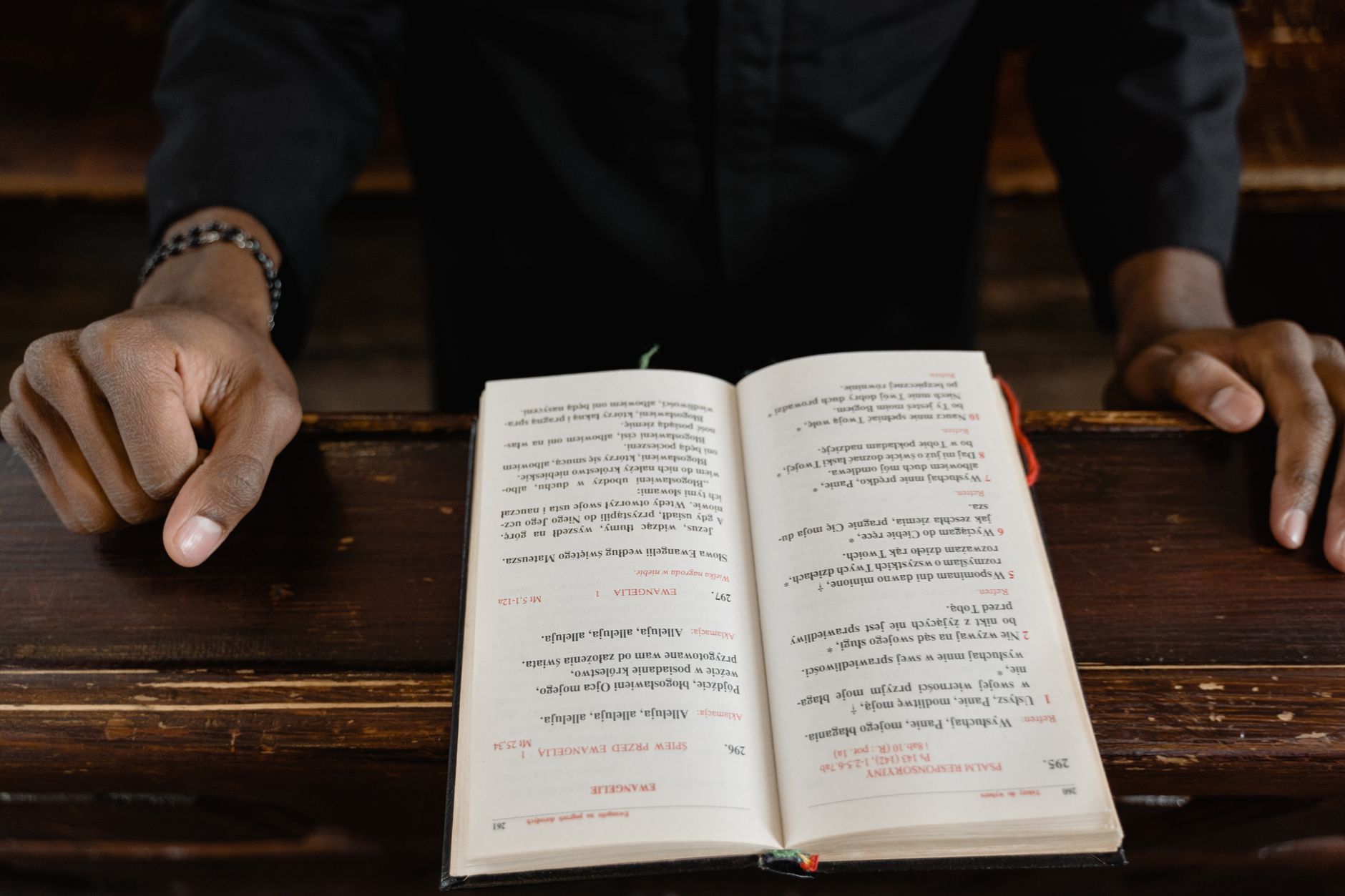
You’ve probably had one of those weeks. The kind where everything feels slightly off-kilter. The laundry doesn’t fold itself, the emails pile up, and by Thursday, you’re running on fumes and stale coffee. It’s that time of year when the leaves are turning brown and the days are getting shorter. It’s a season of letting go. Of things dying so that new things can grow. And honestly? That’s exactly how the Beatitudes feel. They don’t sound like good news. They sound like a list of complaints.
The Word That Changes Everything
When Jesus started his Sermon on the Mount, he didn’t say, “Congratulations, you did well.” He said, Makarios.
Most English translations render this word as “Blessed” or “Happy.” But if you stop and think about it, “Happy” is a pretty weak word for the foundation of the Kingdom of God. Happiness is fleeting. It’s a mood. You can be happy because the sun is out, and sad because it’s raining. That’s weather, not climate.
Makarios is a Greek word with a specific flavor. It refers to a state of being that comes from the outside in. It’s the blessing you receive when you are in the right relationship with the Source. Think of it like being “blessed” in the sense of being set apart, consecrated, or marked by favor. It’s not an emotion you manufacture; it’s a status you inherit.
This distinction is crucial. We live in a culture that tells us blessedness is something we earn. We hustle for it. We optimize our lives to maximize our happiness score. But Jesus is flipping the script. He’s saying that the people who look the most “unblessed” to the world are actually sitting in the lap of God’s favor.
The Poor in Spirit vs. The Broke
Let’s look at the first Beatitude:
— “Blessed are the poor in spirit, for theirs is the kingdom of heaven.”
Notice he didn’t say, “Blessed are the poor.” He specified in spirit. This is a key nuance. A person can be broke but proud, and that pride can be a spiritual poverty in itself. Or a person can be wealthy but spiritually bankrupt, clutching their money like a life raft while drowning in anxiety.
To be “poor in spirit” means you have realized that you cannot save yourself. It’s the admission that your own resources—your intellect, your charm, your bank account—are not enough. It’s the posture of the beggar who knows the King is coming. It’s not self-pity; it’s clarity.
I’ll be honest. I’ve struggled with this concept. For a long time, I viewed humility as a lack of confidence. I thought if I admitted I needed help, I was admitting defeat. So I tried to be strong. I tried to handle everything. And what happened? I burned out. My “strength” turned into rigidity. I became brittle. It took me hitting a wall to realize that my pride was actually a cage. The moment I whispered, “I can’t do this alone, Lord,” the weight lifted. Not because the problems disappeared, but because I wasn’t carrying them alone anymore.
That’s the counter-intuitive part. The strongest move you can make is to admit you’re weak. It’s like a tree. A sapling bends in the wind. An old oak that has grown stiff and rigid might crack. The flexibility of the young tree is its strength. Being “poor in spirit” is that flexibility. It’s the willingness to bend before you break.
Grieving Before It Happens
The second Beatitude is even harder to swallow:
— “Blessed are they that mourn: for they shall be comforted.”
Who mourns? Usually, it’s the people losing something. Their job, their health, their reputation. In our society, mourners are often pitied. “Oh, poor thing, they lost everything.” But Jesus says they are blessed.
Why? Because mourning is the beginning of trust. When you grieve, you’re acknowledging the loss. But when you grieve and expect comfort, you’re acting on faith. You’re saying, “This hurts, but I believe the pain isn’t the final word.”
Consider the Psalmist. He screams at God. He asks, “How long, O Lord?” He’s not smiling through it. He’s wailing. And yet, the Psalms end in praise. The comfort comes. Not always immediately. Sometimes it’s a slow dawning. But it comes.
This is where the season of autumn fits in beautifully. We are all mourning something. The summer is gone. The years are passing. Our bodies are changing. But in that mourning, there is a promise. The leaves fall, but the roots remain. Death leads to life. Loss leads to gain.
A Concrete Step
So, what do you do with this? How do you apply “blessed are the poor in spirit” on a Tuesday afternoon when your inbox is overflowing?
Here is a specific, actionable step you can take this week.
Practice the "Inventory of Need."
Take ten minutes this evening. Sit down with a pen and paper. Don’t use your phone. Write down three things that are currently stressing you out. Maybe it’s a deadline, a relationship issue, or a health worry.
Next to each item, write down one specific way you are relying on your own strength to fix it. For example:
- Stress: Work deadline.
- My strength: Staying late to finish it all myself.
Now, look at that list. Acknowledge it. Say out loud, “I am trying to handle this by myself.” That is the admission of being “poor in spirit.” You are recognizing that your own effort is the bottleneck.
Then, close your eyes. Imagine handing that list to Jesus. You don’t have to solve the problem right now. You just have to release the grip. Trust that the comfort is on its way.
This simple act shifts your mindset from “I must fix this” to “I am held in this.” It’s a small shift, but it changes the texture of your day. You stop white-knuckling the wheel. You let the road carry you.
The Beatitudes aren’t a reward system. They’re a diagnostic tool. They tell you where God is at work in your life. He is working in the spots where you feel weakest. He is working in the areas where you are mourning. He is working in the zones where you are hungry.
So, when you look in the mirror this morning, don’t just see your tired eyes or your messy hair. See the blessing. See the favor. See the makarios. You are not a victim of your circumstances. You are a recipient of divine grace.
And that changes everything.