I remember standing in my kitchen at 11:45 PM on a Tuesday, staring at the microwave. The clock was ticking down from three minutes to two. I wasn’t waiting for popcorn. I was just… standing there. My phone buzzed in my pocket with a work email about a deadline that felt impossible, and the silence of the house pressed against my eardrums. I couldn’t see what tomorrow held. I didn’t know if the client would say yes or no. I didn’t know if my body was okay, despite the ache in my lower back. I just knew that right now, in this dim light, everything looked uncertain. And that uncertainty felt like a weight on my chest.
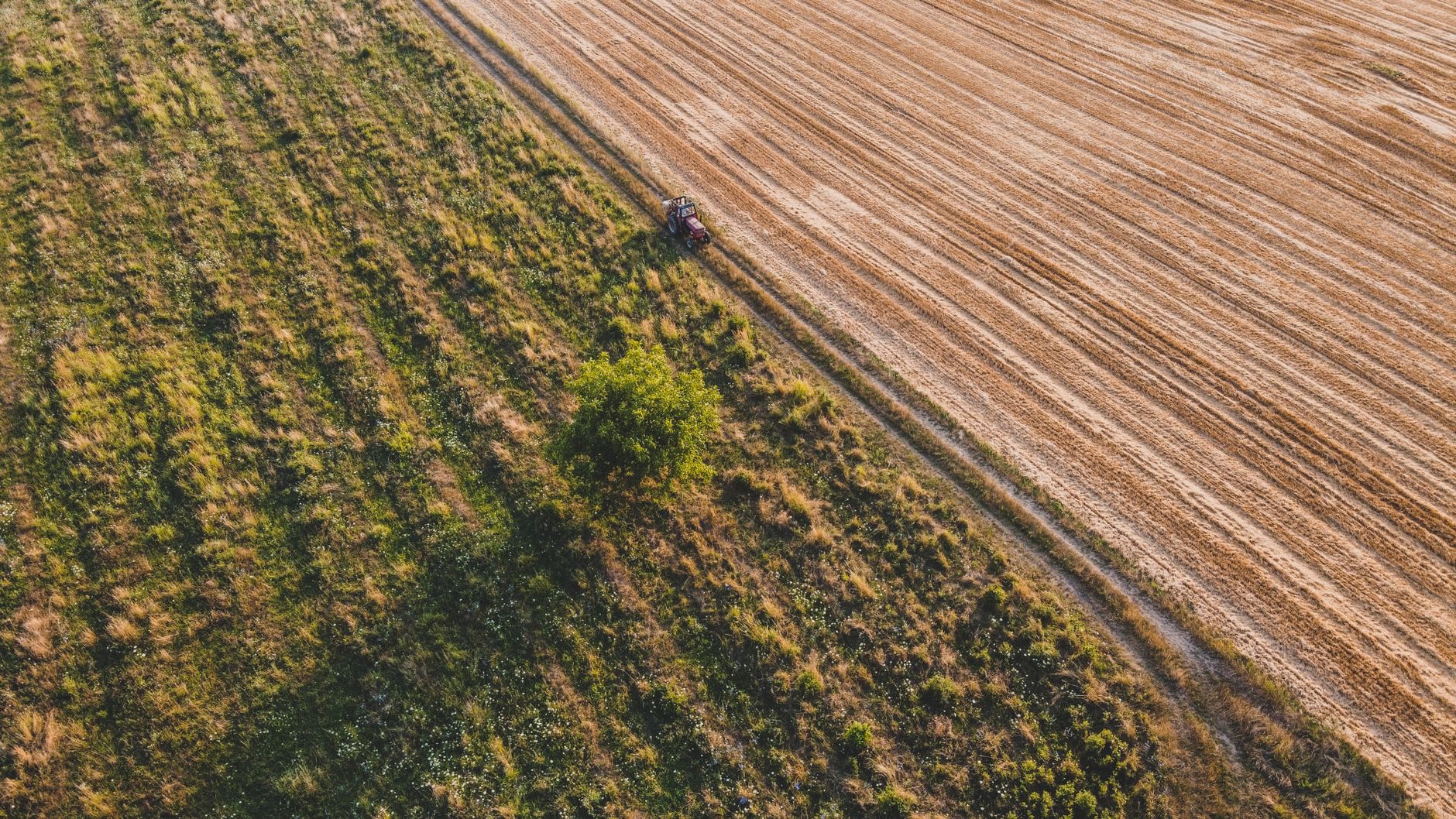
It’s autumn outside now. The leaves are falling in that rusty, inevitable way. There’s a certain melancholy to it, isn’t there? The year is turning. Things are dying so new things can grow. It’s a hard visual metaphor for faith, but an honest one. We are often asked to trust in things we can’t see, much like trusting that the tree will be green again next spring when it’s currently just a bare stick against the gray sky.
The Apostle Paul wrote about this exact tension in — "For we walk by faith, not by sight."
It’s a verse I’ve read hundreds of times. Usually, it feels like a command to just be braver. If you’re anxious, stop looking at the fear (sight) and look at God (faith). It’s simple. Clean. And completely inadequate for a Tuesday night in your kitchen when you’re wondering if you can pay the electric bill.
Here’s the thing about trusting God in the unseen. It doesn’t mean we don’t have eyes. We see the bills. We see the diagnosis. We see the empty chair at the dinner table. Faith isn’t blind optimism. It’s not ignoring reality to pretend everything is fine. So, what does it actually mean? And why is it so terrifying?
Does Faith Mean I Shouldn’t Feel the Fear?
This is the question that trips me up most. If I’m relying on trust, do I get to feel afraid? Or is fear a sign that my belief isn’t large enough?
I used to think yes. I thought if I was really trusting God, the fear would evaporate like morning dew. But Paul wrote this letter while he was being beaten, shipwrecked, and imprisoned (). He wasn’t sitting in a comfortable study. He was in the trenches. And he said they move through life on belief, not evidence.
So, no. Faith doesn’t remove the fear. It just changes where you look when the fear hits.
When I’m in that kitchen, staring at the microwave, my eyes are glued to the fear. The sight of the problem is magnifying it. My mind is running simulations: What if they say no? What if the roof leaks? What if I’m sick? Sight is reactive. It responds to what is immediately present. And right now, the immediate presence is worry.
Faith is different. Faith looks at what is, but it anchors itself in what has been.
Consider the story of Abraham. In , we read — "And he believed the Lord; and he counted it to him for righteousness."
Abraham was old. Sarah was barren. By any human "sight," having a child and a nation was physically impossible. But Abraham looked at God’s character, not his own circumstances. He didn’t deny the barrenness. He believed that the God who promised was able to do what the flesh couldn’t see was possible.
The fear is real. The doubt is human. But faith says, "I see the problem, but I trust the Promise-keeper more than I trust my own limited perspective."
You don’t have to be fearless. You just have to be faithful in the middle of it.
How Do I Know What God Is Doing If I Can’t See It?
This is the harder question. The first one is about emotion; this one is about evidence. If I can’t observe the outcome, how do I know God is actually working? Isn’t that just wishful thinking?
I’ll be honest. There are days I feel like God is silent. Not angry, not absent—just quiet. And when He’s quiet, belief starts to sound a lot like guesswork.
But look at Jesus in the Gospels. He often told His disciples to have faith before they saw the result. In , Jesus says — "You do not believe that I am in the Father. The words that I speak to you I do not speak from myself, but the Father who dwells in me is doing his works."
Jesus connected faith to His own identity. He wasn’t asking them to believe in a vague, distant force. He was asking them to trust Him.
Think about how you know your spouse loves you. Do you need them to write a love letter every single day? Do you need proof of their affection in every interaction? Probably not. You know they love you based on a track record of care, consistency, and presence. Even on days when they’re quiet or stressed, you trust the foundation of your relationship.
That’s what this passage is really about. It’s not about seeing the outcome of God’s work. It’s about knowing the Source.
If you have a history with God—if He has been faithful, if His Word is true, if His Spirit bears witness to your heart—then the current lack of visible evidence doesn’t negate the character of God. You are moving forward on trust because you know Who is walking with you, even if the path ahead is dark.
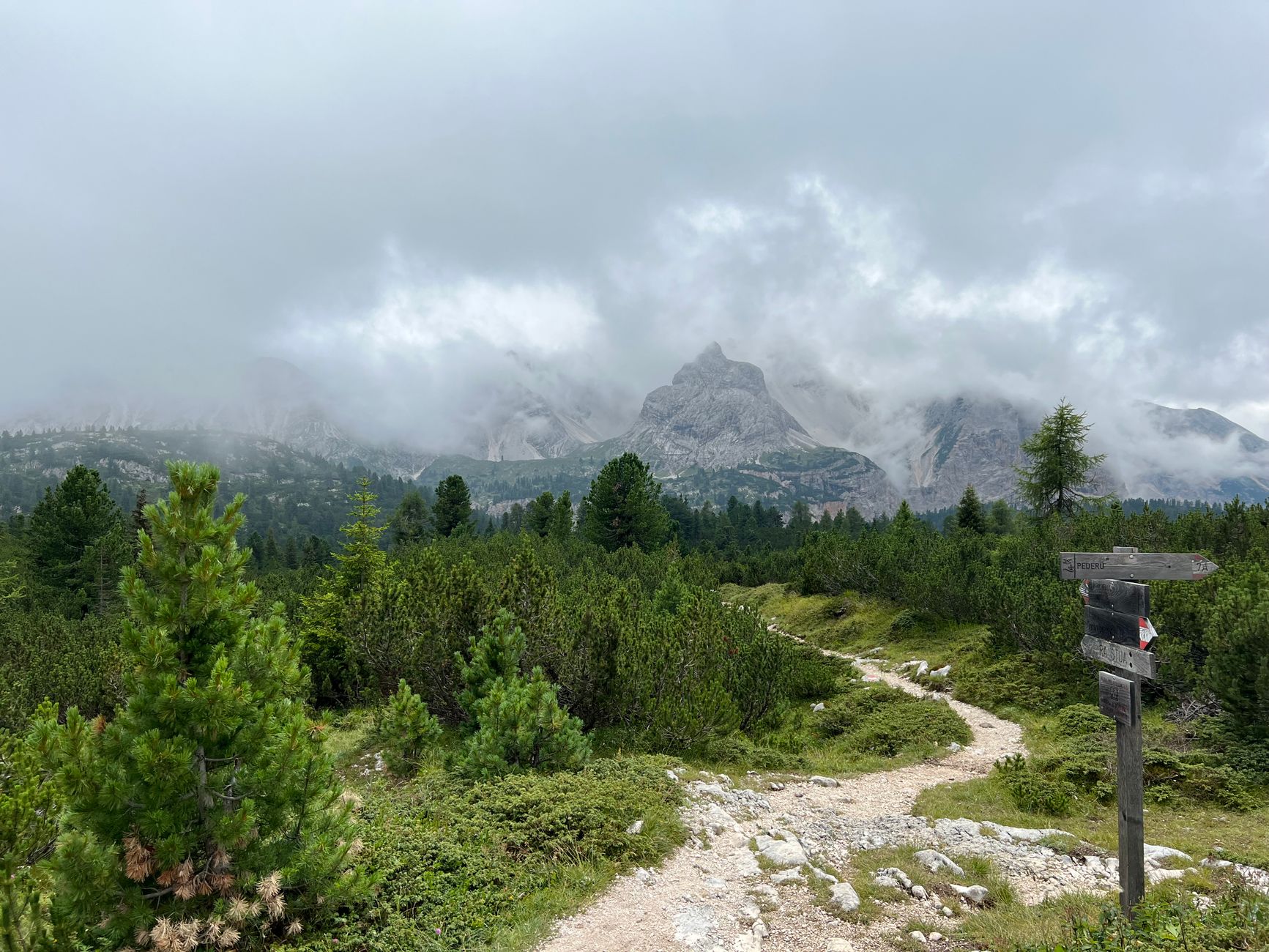
It’s like walking in a foggy forest at dawn. You can’t see the road for more than ten feet ahead. But you know the trail is there because you’ve walked it before, or because a guide is beside you. You don’t need to see the destination to take the next step.
Is "Not by Sight" a One-Time Event or a Daily Practice?
We often treat faith like a switch. You flip it on, and suddenly you’re calm. You flip it off, and panic sets in. But I think that’s a mistake. Faith is more like breathing. You don’t decide to breathe every second; you just… do it. It’s a rhythm.
Paul says, "We walk by faith." The word implies movement. It’s a verb. It’s happening now, in the middle of your life, while you’re washing dishes or sitting in a hospital waiting room.
This is where the season comes in. It’s autumn. Things are changing. The days are getting shorter. In many of our lives, something is shifting too—a job change, a health issue, a relationship ending. It’s easy to freeze in the "sight" of what is leaving us. We cling to the past because it’s visible and known.
But faith is forward-looking. It’s stepping into the unknown with God, not alone.
I’ve found that belief is most real in the small moments. Not just on Sunday morning when the music is swelling and everyone looks peaceful. It’s real in the quiet, unglamorous moments of Tuesday.
It’s saying, "God, I don’t know what happens next, but I believe You are good."
It’s praying the Lord’s Prayer—"Your kingdom come, your will be done"—when you don’t know what that looks like.
It’s trusting that the same God who raised Jesus from the dead () is holding your life together.
You don’t need to feel a surge of power. You just need to keep walking. One step. Then the next. Faith is often quiet. It’s not a shout; it’s a whisper in the chaos.
How Do I Start When Everything Looks Hopeless?
Maybe you’re reading this and thinking, That’s easy for you. My situation doesn’t look like that.
Maybe the "sight" is overwhelming. The debt is too high. The pain is too sharp. The silence from God feels like abandonment.
I get it. I’ve been there. There are times when trusting the unseen feels like walking on a tightrope with no net.
But here’s the secret: Faith doesn’t require you to see the whole road. It only requires you to see Him.
In , it says — "So let us commit ourselves to the Maker of all of them."
That’s it. Just that. Commit yourself. Not your feelings. Not your understanding. Yourself.
You can say, "Lord, right now, I see problems. But I choose to trust You more than my eyes."
Start small. Don’t try to fix your entire life in a single prayer. Just take one thing that’s stressing you and hand it over. Say, "I don’t know how You’ll handle this, but I trust Your heart."
Faith is not about having all the answers. It’s about having the right Questioner.
So, here is my prayer for you, and for me:
Lord, I’m tired of trying to see everything. My eyes are limited, and my anxiety is loud. Remind me that the world I see isn’t the whole truth. Anchor my heart in Your character, not in my circumstances. When I’m afraid, help me to look at You instead of the problem. Give me the strength to take just one step, trusting that You are right there with me. I can’t see the end of this road, but I know Who is walking it with me. That has to be enough. In Jesus’ name, Amen.