Have you ever stood in a room full of noise and suddenly heard a single note so pure it made your chest ache?
It’s that kind of moment.
We are moving into late summer. The light has that heavy, golden quality it only gets in August and September, just before the days start shrinking again. It’s a time when the crops are already in the barn, but the fields still smell of cut stalks and drying earth. It’s a season of completion. Of rest. Of looking back at what God has done.
And it’s exactly the right time to talk about Jesus on the mountain.
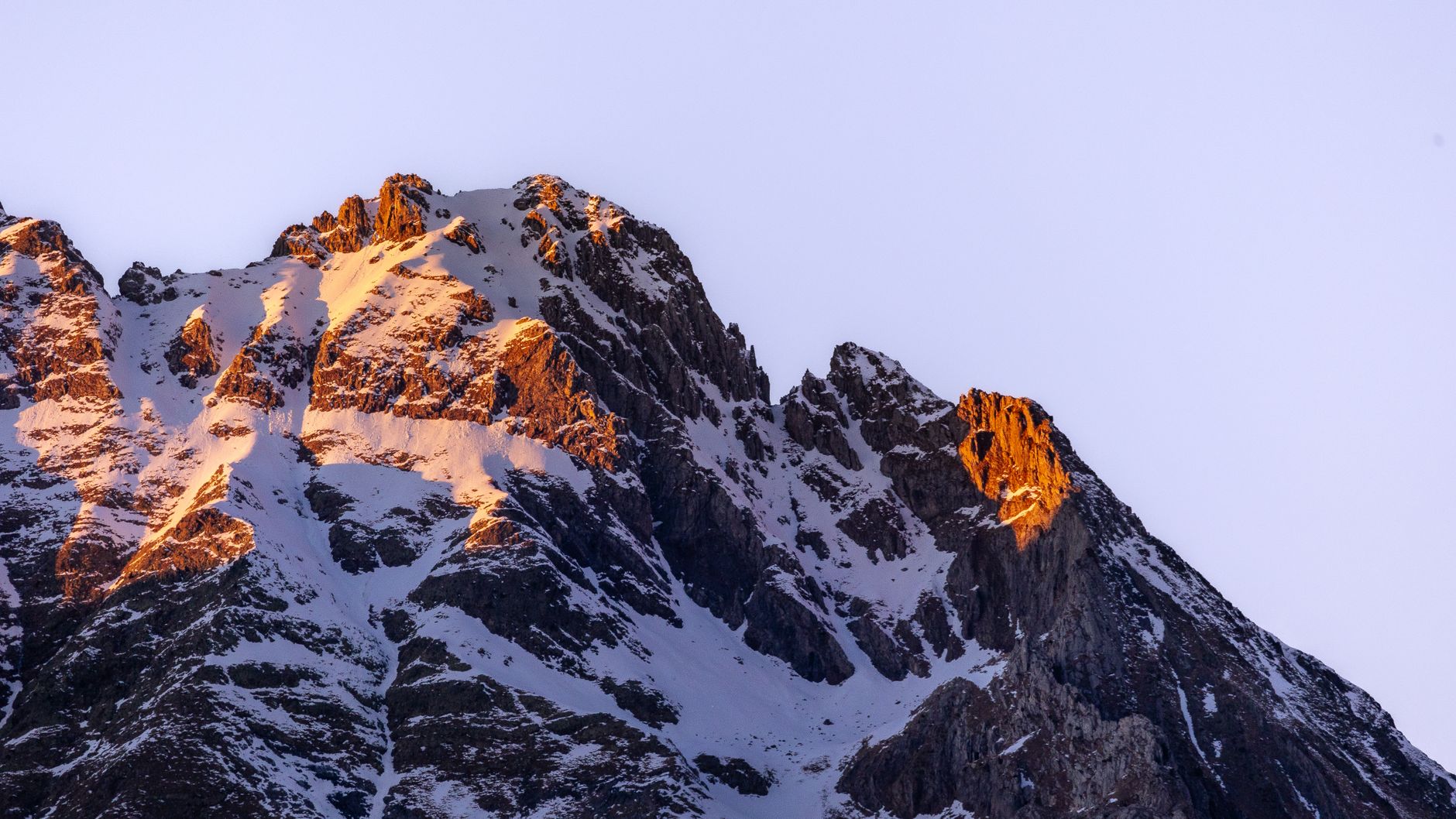
Most of us know the Transfiguration story. Matthew 17, Mark 9, Luke 9. Jesus takes Peter, James, and John up a high peak. His face starts shining like the sun. His clothes turn blindingly white. Moses and Elijah show up. A cloud covers them. A voice booms from above: “This is my Son, whom I love; with him I am well pleased. Listen to him!”
It’s majestic. It’s biblical. It’s often painted in Sunday school classrooms with soft watercolors and gentle skies.
But if you read the text closely, you’ll notice something jarring. The disciples are exhausted. They’ve been following Jesus for months, maybe years. They’re tired. They’re confused. And then, right in the middle of their fatigue, God interrupts them with raw, unfiltered glory.
Why?
Why does God choose to reveal His deepest nature not in a temple filled with priests and incense, but on a dusty mountain to three sleepy fishermen? And why, more importantly, does it matter to us right now, as we sit in our own quiet seasons of late summer?
Let’s look closer.
The Problem: We Crave the Mountain, Not the Valley
Here’s the thing about spiritual experience: we crave it. We want the peak. We want the moment when the veil lifts and we can see why we’re suffering, why we’re waiting, why this marriage is hard, why this job feels like a dead end.
I’ll be honest, I’ve struggled with this too.
There was a season in my life when I treated faith like a transaction. I would do the right things—pray, read, give—and I expected God to reward me with clarity. If I was confused, I assumed I was missing something. If I was suffering, I assumed I had failed. I wanted the Transfiguration every single day. I wanted the glory to stay.
But the Transfiguration wasn’t a permanent state. It was a glimpse.
And that’s the problem. We think God’s presence is only real when it’s overwhelming. We think holiness looks like blinding light and sudden appearances of Old Testament giants. So when life gets mundane—when the crops are in, the silence is loud, and the future is unclear—we feel abandoned. We feel like God has left the building.
We crave the mountain. But God often sends us down into the valley.
Look at the text again. Right after the voice speaks, Jesus says something crucial. He doesn’t stay on the mountaintop forever. He heads down. He goes back to the crowds. He goes back to the demon-possessed boy who couldn’t be healed.
The glory wasn’t the destination. It was the fuel for the journey.
We miss that. We treat the presence of God like a vacation destination rather than a power source. We desire to visit God. We don’t want to carry Him into the places where it hurts.
The Promise: Glory in the Ordinary
So what is the promise?
It’s this: God’s glory is not hidden in the extraordinary; it is revealed through the ordinary when we are tuned in.
When Jesus’ face shone, it wasn’t because He changed His DNA. It was because the divine and the human were perfectly aligned. The glory was already there. It was just waiting to be seen.
And here’s the hard truth: you don’t need to climb a mountain to see it. You need to stay in the valley long enough to realize that the light is already there.
The voice from heaven didn’t say, “Look at how great I am.” It said, “Hear His voice.”
Notice the shift. The focus moves from the spectacle to the Speaker. From the light to the Word. From the event to the Person.
In our late summer season, this is the invitation. The crops are in. The work is done. Now, what?
Now, we listen.
We listen to Jesus not just as a historical figure who walked on water, but as the one who is present in our quiet moments. The promise of the Transfiguration is that Jesus is fully God and fully man. He understands the heat of the sun on your back. He feels the ache in your knees from kneeling too long in prayer. He grasps the confusion of not knowing what to do next.
And He promises to be with us.
“Do not be afraid,” the voice says.
That’s the promise. Not that the fear will vanish instantly. Not that the mountain will stay forever. But that you are not alone in the dark. The light that shone on Jesus shines for you, too. It’s a steady glow that guides you, not a blinding glare that destroys you.
The Practice: Three Ways to Live This Out
So how do we actually live this? How do we stop chasing the mountain and start seeing the glory in the mud?
Here are three concrete ways to practice this truth.
1. Remain in the Mess a Little Longer
We are quick to retreat. When things get hard, when the prayer life feels dry, when the diagnosis is bad, we want to “get our heads right” by retreating to a quiet place. And that’s good. Retreat is biblical.
But don’t use retreat as an escape from responsibility.
The disciples came down from the mountain and immediately ran into trouble. A boy with a demon. A crowd arguing about who was the greatest. Peter stumbling into the sea.
Remain in the mess.
Don’t flee from the difficult conversation with your spouse. Don’t flee from the boring paperwork at work. Don’t flee from the quiet ache of loneliness. That’s where the glory hides. That’s where Jesus is waiting to be seen in your ordinary obedience.
When you feel like the light has faded, don’t leave the room. Sit down. Breathe. Listen. The glory is still there. It’s just quieter.
2. Hear the Voice, Not Just the Visual
We are a visual culture. We desire to see the sign. We desire the miracle. We desire the sudden breakthrough.
But God often speaks in a still, small voice.
“Hear His voice.”
This week, practice silence. Not just empty silence, but attentive silence. Kill the phone. Kill the music. Kill the podcast that’s supposed to teach you something.
Just sit.
Ask yourself: What is Jesus saying to me right now?
It might not be a thunderous voice. It might be a nudge. A memory of a scripture. A sudden sense of peace. A gentle conviction.
The Transfiguration wasn’t about the light. It was about the alignment. Jesus was in sync with the Father. When we align our hearts with His Word, we start to hear Him in the noise.
Try this: Write down one thing you think God is saying to you this week. Not a complex theological doctrine. Just a simple, clear direction. Then, wait. Listen. Adjust.
3. Carry the Light Down the Mountain
This is the hardest part.
It’s easy to feel holy when you’re alone with God. It’s hard to feel holy when you’re stuck in traffic or dealing with a difficult coworker.
The Transfiguration was a preview of Jesus’ glory. But Jesus didn’t stay on the mountain. He came down to heal, to serve, to suffer.
Your faith is not meant to be a private experience. It’s meant to be a public witness.
When you feel that spark of God’s presence, don’t hoard it. Carry it.
If a sense of peace arises, offer it to the anxious one. If a sense of joy rises, share it with the grieving one. If a sense of strength emerges, lend it to the weak one.
The glory is meant to flow through you, not just to you.
This is what it means to be a Christian. Not someone who has climbed the highest mountain, but someone who brings the light of the mountain into the deepest valleys.
The Return
The sun is setting now. The light is fading. The shadows are lengthening across the floor.
You might find yourself sitting in your car. You might find yourself folding laundry. You might find yourself staring at a ceiling fan that’s been spinning for an hour.
It’s not a mountain. It’s not blinding. It’s not dramatic.
But Jesus is there.
He’s not waiting for you to climb higher. He’s waiting for you to look up.
The glory is not in the spectacle. It’s in the presence.
And the presence is enough.
“This is my Son, whom I love; with him I am well pleased. Listen to him!”
Listen.
And then, go down the mountain.