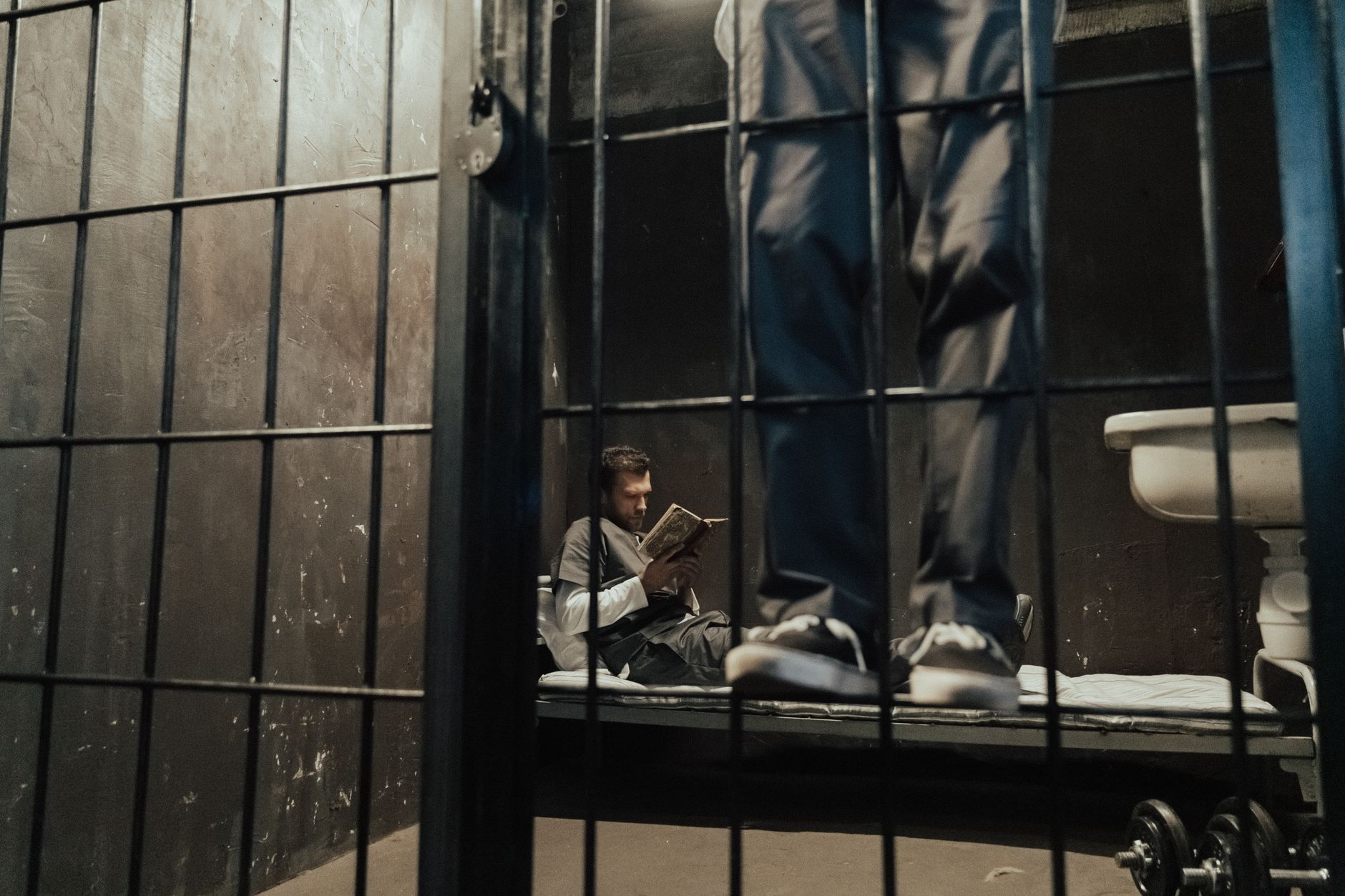
Most people assume that in the first century, the poor were pitied from a distance, looked upon with a mixture of charity and pity. But that wasn’t quite how it worked. In the dusty markets of Galilee, the "poor" weren’t just those without money; they were those without status. They were the widows whose lands had been eaten by debt. They were the laborers who worked until their hands bled for a handful of barley. When Jesus stood up in that crowded synagogue and began to speak about "blessedness," he wasn’t handing out trophies to the winners. He was looking right at the people on the edges. And here is the shock: he said they were the happiest.
This feels counterintuitive, doesn’t it? We live in a culture that screams "buy this to be happy." We scroll through feeds curated to show success, beauty, and abundance. If you are struggling, the implied message is that you haven’t tried hard enough. So when Jesus flips the script, it rattles the foundations.
The Upside-Down Kingdom
Let’s look closely at what Jesus actually said. It’s found in , but the core message is echoed in . The distinction matters. In Luke, the list is shorter and sharper: "Blessed are you who are poor... who are hungry... who weep."
Notice the pronoun. In Matthew, Jesus uses the third person: "Blessed are the poor." In Luke, he uses the second person: "Blessed are you." This is a direct address. He is pointing at the people sitting in front of him.
The first beatitude is often translated as "Blessed are the poor in spirit, for theirs is the kingdom of heaven." ( — "Blessed are the poor in spirit, for theirs is the kingdom of heaven.")
What does "poor in spirit" mean? It’s not just about having little money. It refers to a spiritual state of humility. It means recognizing that you don’t have it all figured out. It means admitting that you need God. In a world that boasts about self-reliance, being "poor in spirit" is a radical act of honesty. It’s the opposite of pride.
Then comes the one that stabs people in the side: "Blessed are those who mourn, for they will be comforted." ( — "Blessed are those who mourn, for they will be comforted.")
Why is mourning blessed? Because it shows you care. It shows you have a heart that feels the weight of the world. People who don’t mourn are often numb. They’ve built walls. Jesus says that if you’re crying, if you’re grieving, if you’re hurting—God sees it. And He promises comfort. Not necessarily an immediate fix, but a promise that you aren’t alone in your pain.
I’ll be honest, I’ve struggled with this. There have been seasons where I felt like I was complaining too much. Where I thought, "Shouldn’t I just be thankful?" I worried that my grief was a lack of faith. But this verse reframes it. My mourning isn’t a failure; it’s an evidence of a living heart. And that changes how I pray. Instead of rushing through my hurts, I sit with them. I let them be part of the conversation.
Living It Out This Week
So, how do we take this from the page to our lives? It’s not about feeling better instantly. It’s about shifting our perspective. Here is how you might practice this this week.
First, identify one area where you are "poor in spirit." Maybe it’s your finances. Maybe it’s your health. Or maybe it’s a relationship that has gone cold. Write it down. Be specific. Don’t just say "I’m stressed." Say, "I’m stressed because I’m behind on bills and I’m afraid of calling the bank."
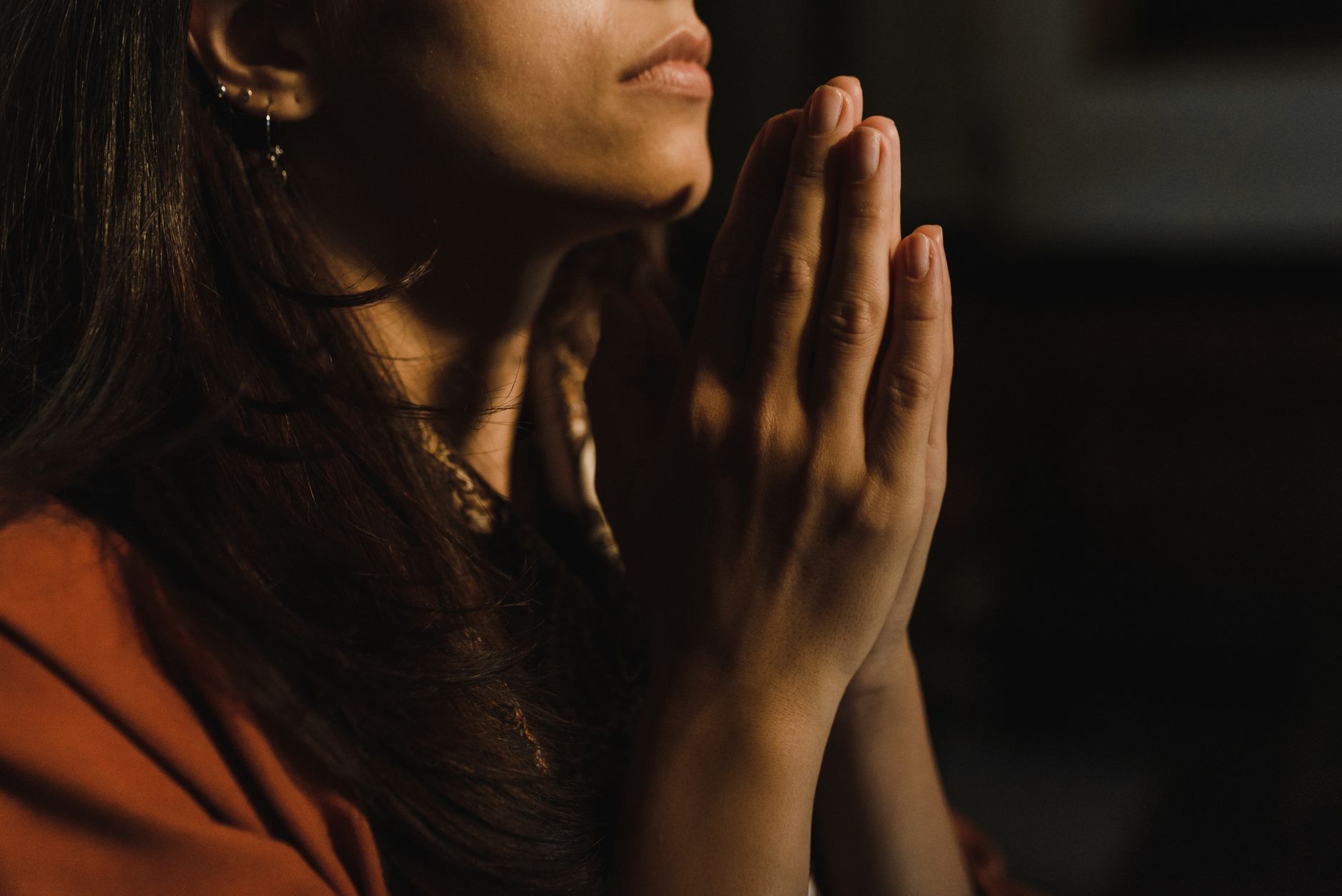
Second, practice the art of mourning. Set aside ten minutes this week to just sit with your sadness. Don’t try to fix it. Don’t reach for your phone to distract yourself. Just breathe. Acknowledge the pain. Say to yourself, "This hurts, and that’s okay." Let the tears come if they need to. This is where the comfort begins.
Third, look for the community around you. The Beatitudes aren’t meant to be lived in isolation. Find one person you trust—a friend, a neighbor, a fellow believer—and share your burden with them. You don’t have to carry it all by yourself. Sometimes, just knowing someone else sees your struggle is enough.
And finally, trust the promise. "For theirs is the kingdom of heaven." This isn’t just a future hope. It’s a present reality. Even in the midst of your struggle, you are a citizen of God’s kingdom. You belong. You have a place. You are not an outsider.
This is the true blessedness. It’s not the absence of problems. It’s the presence of peace. It’s the quiet confidence that even when things fall apart, God is holding the pieces together. It’s the joy that rises up, not despite the storm, but in the middle of it.
So, as you go about your day this week, keep this in mind. You don’t have to earn your happiness. You don’t have to perform your success. You just have to be honest about where you are. And in that honesty, you will find a blessedness that no one can take away from you.
— "Blessed are the poor in spirit, for theirs is the kingdom of heaven."