I used to think worship was the high note.
You know the kind. The big finish. The moment the music swells, the lights dim, and everyone lifts their hands in perfect unison, feeling like they’ve touched the hem of God’s garment. It’s clean. It’s polished. It’s what we post on Instagram.
But if you spend any real time in the Psalms of David, you’ll realize that’s only half the story. In fact, for David, worship often started before the victory. It started in the mud. It started when the lions were at the gate, when his son was rebelling, when the plague was counting heads.
Worship, in its truest biblical form, isn’t just praise for what God has done. It’s the stubborn refusal to let go of God’s character when everything else says He’s gone.
It’s the scream that becomes a song.
The Noise Before the Silence
Look at Psalm 13. It’s short. Five verses. But read it out loud, and you’ll hear the panic.
"How long, Lord? Will you forget me forever? How long will you hide your face from me? How long must I wrestle with my thoughts, day and night, finding no rest?" (, NIV)
That’s not a hymn. That’s a heart attack.
David isn’t politely asking God for a nudge. He’s listing his symptoms. He feels forgotten. He feels ignored. He feels like his enemies are winning. He uses the word "hide" for God’s face—hester in Hebrew, the same root used in Esther when God’s presence seemed absent from Israel. It’s the feeling of divine silence.
And here’s the thing that surprises us: David doesn’t wait for the silence to break before he worships. He worships in the silence.
He moves from complaint to trust to praise in the span of three minutes.
"But you, Lord my God, answer me... My soul will rejoice in your salvation. I will sing the Lord’s praise..." ()
Notice the "But."
That single word is the hinge of the entire Psalter. It’s the turning point. It’s the moment David stops looking at the size of the giant and starts looking at the size of his God. He doesn’t deny the pain. He doesn’t fake a smile. He just pivots his focus.
This is the historical reality of ancient Israel. They didn’t have a "worship service" on Sunday mornings with coffee and cushions. Their worship was liturgical, yes, but it was also visceral. It happened in the temple courts, but it also happened in the caves of Adullam, in the exile in Babylon, in the quiet of a bedroom at 3 AM.
They didn’t wait for perfect circumstances to offer perfect praise. They offered praise as an act of war against despair.
Lament as a Spiritual Discipline
We’ve lost the art of lament.
In our modern, prosperity-tinged Christianity, we’ve sanitized the Psalms. We’ve turned them into inspirational quotes for greeting cards. "The Lord is my shepherd, I lack nothing." Cute. Comforting.
But we skip the next verse. "He restores my soul." Why? Because the soul needs restoring when it’s broken. When it’s grieving. When it’s angry.
Lament is not a lack of faith. It’s an overflow of faith.
It’s the belief that God is big enough to handle your anger, your confusion, and your doubt. If you have to hide your gritted teeth from God, you don’t really believe He’s listening. But if you bring the gritted teeth to Him, you’re admitting He’s sovereign enough to fix it.
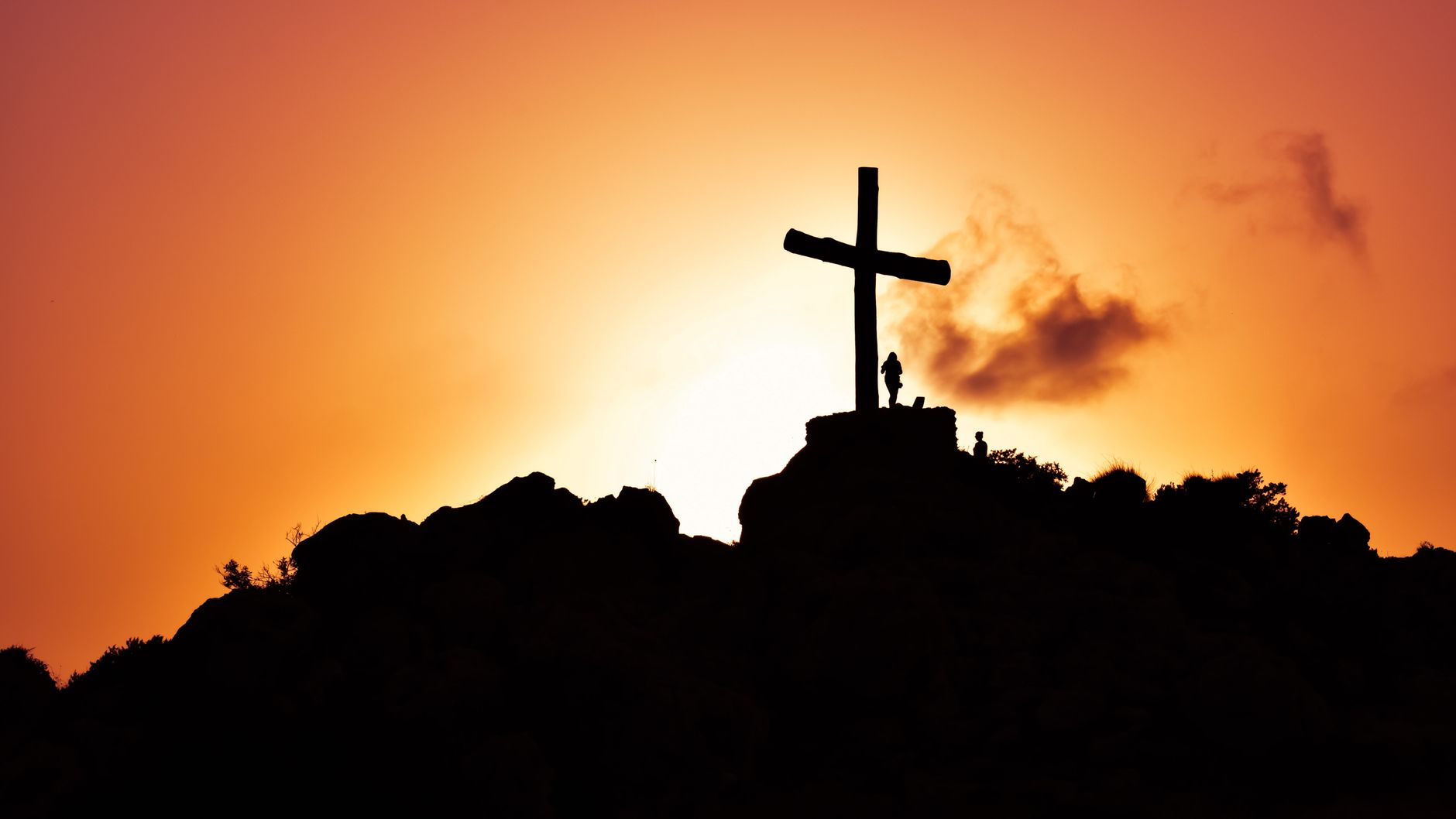
Think about the cross.
Jesus didn’t just die with a serene expression on His face. In the garden, He sweat drops of blood. On the cross, He cried out, "My God, my God, why have you forsaken me?" ().
That’s a direct quote from Psalm 22. It’s a lament. The Son of God, fully divine, fully human, experienced the full weight of abandonment so we wouldn’t have to. He modeled for us that it’s okay to feel alone, as long as you don’t stay there.
When we lament, we are joining the chorus of saints who cried out before us. We are part of a story that stretches from Abraham’s questioning to Jeremiah’s weeping to Jesus’ crying. We are not isolated in our suffering. We are anchored in it.
The Ecology of the Soul
Here’s where it gets practical. And maybe a bit weird.
How does this relate to environmental stewardship? Or rather, how does it relate to us as the stewards of our own souls?
We often think of stewardship as only about the earth—recycling, saving water, caring for creation. And we should. But we are also called to steward our inner lives. We are the temple of the Holy Spirit ().
When we suppress our pain, when we pretend we’re fine when we’re falling apart, we create a kind of spiritual pollution. We build a dam. And dams eventually break.
Lament is the floodgate. It releases the pressure. It allows the water to flow.
David didn’t bottle up his grief. He released it into the courts of the Lord. He turned his pain into prayer. And in doing so, he purified his worship. His praise wasn’t a performance; it was a response to grace.
So, what does this look like on a Tuesday in April, weeks after Easter?
Easter is the ultimate victory lap. The tomb is empty. Death is defeated. But we still get sick. We still lose jobs. We still feel the ache of a broken world.
The resurrection doesn’t erase the pain; it redeems it.
Just like Jesus’ scars remained in His glorified body, our scars remain in our glorified souls. They are evidence of what we’ve been through. They are proof that we survived.
When we lament, we are acknowledging the "already but not yet" of the Kingdom. The victory is won. The battle is still raging. And God wants us to bring the raw, unfiltered reality of that battle to Him.
A Posture, Not a Performance
I’ll be honest. I’ve struggled with this too.
For years, I thought I had to "fix" my mood before I could pray. I thought if I wasn’t joyful, I wasn’t obedient. So I’d force it. I’d recite verses like a mantra until they lost all meaning. I’d smile when I wanted to scream.
It was exhausting. It was fake.
Then I started reading the Psalms again, really reading them, with my own feelings in the margins. I saw that David cried. He yelled. He begged. He even cursed his enemies (Psalm 109). He didn’t tidy up his theology before he brought his tears to God.
He brought the tears as his theology.
And that changed everything.
Now, when I’m anxious, I don’t just say, "God, help me." I say, "God, I’m terrified. I don’t see you. But I know you’re good."
And that’s enough.
God doesn’t need our polished piety. He needs our honest hearts. He’s not afraid of our questions. He’s not threatened by our doubts. In fact, He’s right there in the mud with us.
So, this week, don’t just sing. Scream. Cry. Question.
Let your worship be a mix of tears and triumph. Let it be messy. Let it be real.
Because the God who raised Jesus from the dead is the same God who hears your cry in the dark. And He is listening.
The Bigger Picture
This isn’t just about you and me in our living rooms.
This is about the church.
When we learn to lament together, we become a community that can bear each other’s burdens. We stop performing holiness and start practicing humility. We stop judging each other’s pain and start comforting each other’s souls.
Imagine if our churches were places where it was safe to say, "I don’t know what God is doing."
Imagine if our worship wasn’t just about what we do for God, but about what God does in us.
The early church didn’t just preach the resurrection; they lived it. They faced lions, plagues, and persecution. And they didn’t just endure; they thrived. Why? Because they knew their God was faithful even when the world was burning.
They offered their laments as incense. They turned their pain into praise. And the world watched.
We are called to do the same.
Not with perfection. Not with pretty words. But with raw, unvarnished trust.
So go ahead. Cry out.
The walls are closing in. But the God who parted the Red Sea is standing right there in the water.
And He’s waiting for you to speak.