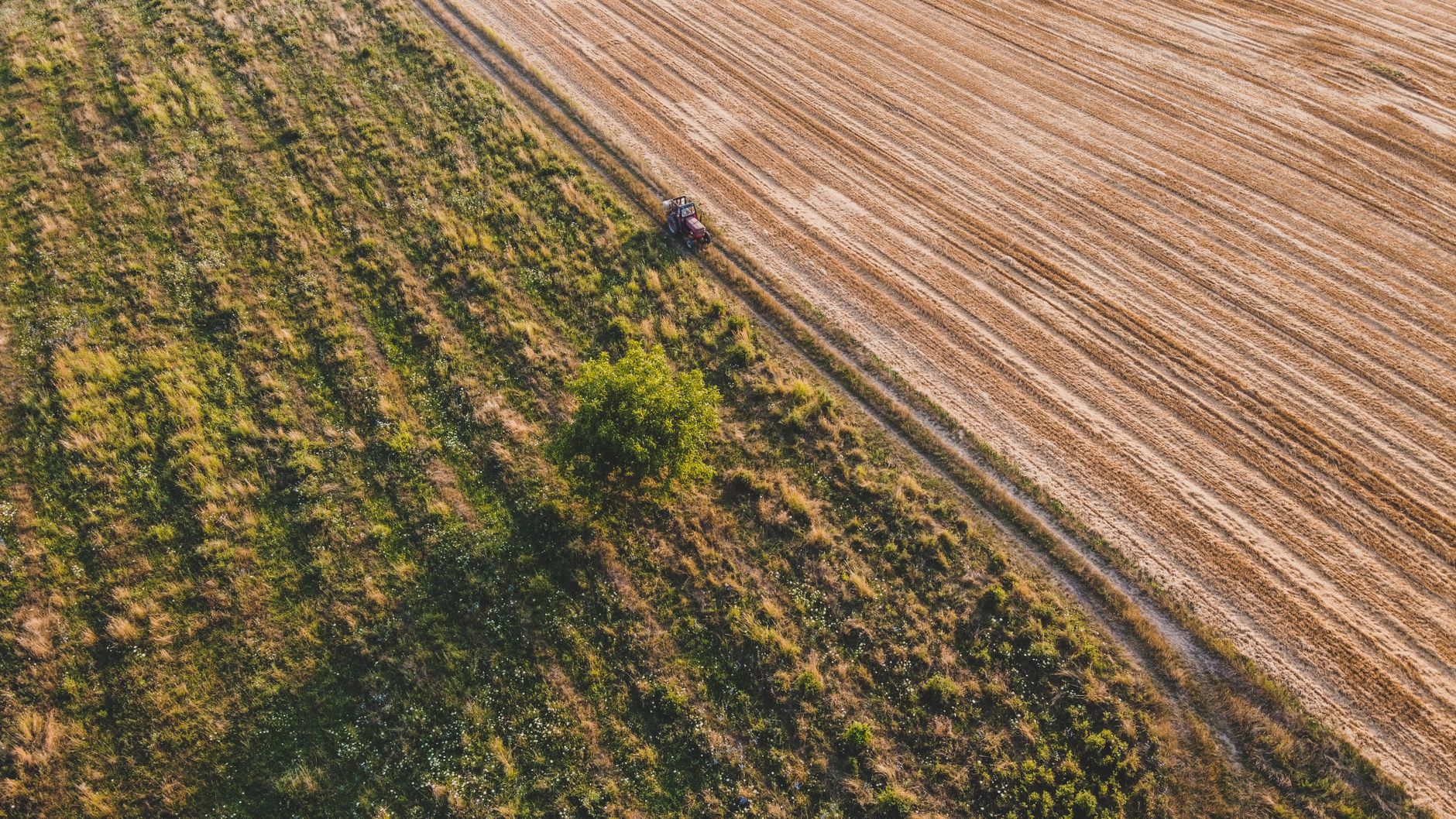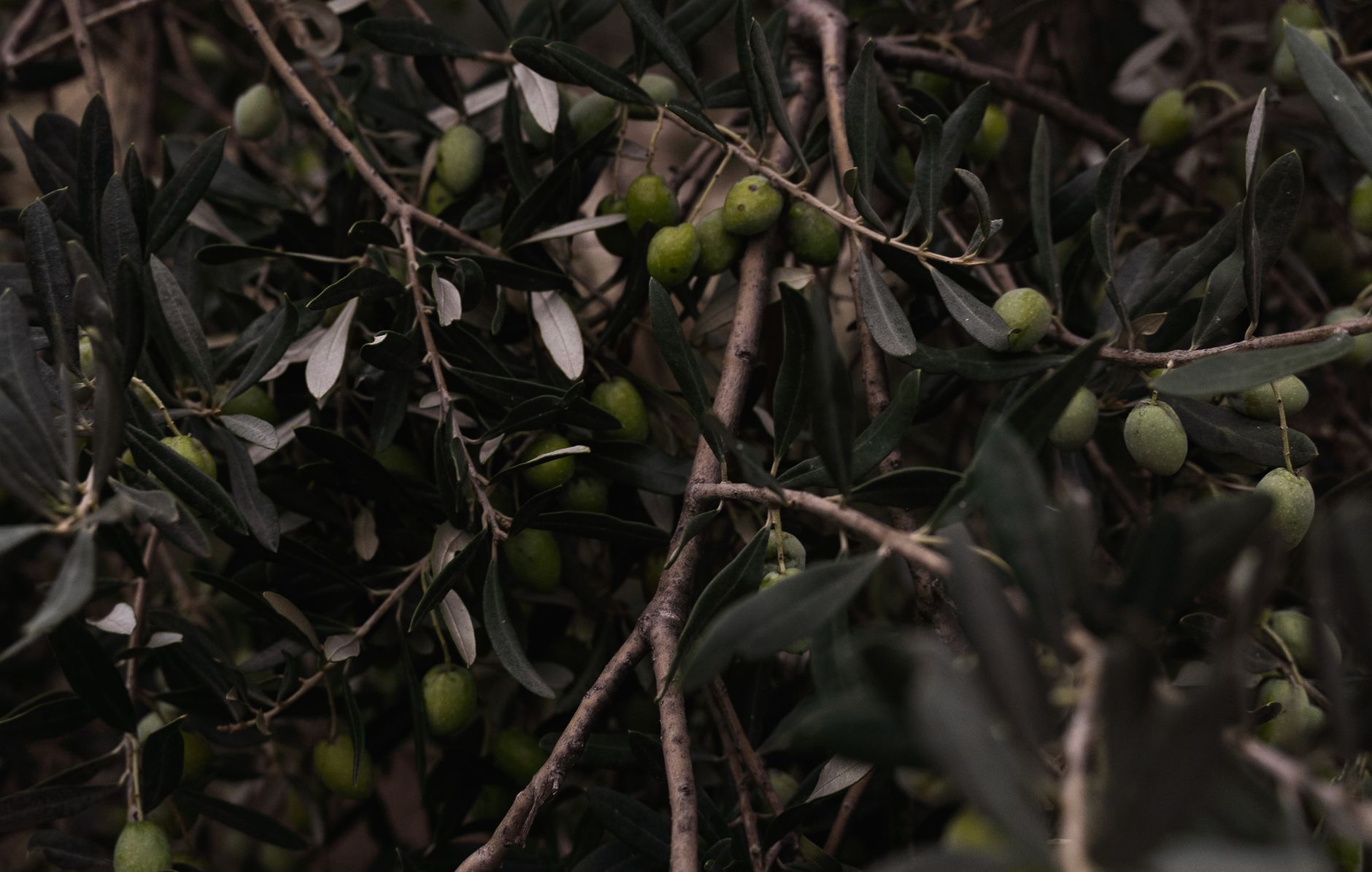
Have you ever watched a fruit tree in July and felt a strange sense of impatience? The days are long, the heat is heavy, and the branches are heavy too. You want the fruit. You want the sweetness, the fullness, the reward. But the tree doesn’t care about your timeline. It just sits there, drinking in the sun, doing the slow, invisible work of ripening.
That’s where we are. It’s early summer. The world is shouting at us to be productive, to be fast, to be more. But the Bible offers us a different rhythm. It offers us a list of nine things that don’t happen overnight. They don’t happen with a single act of willpower or a quick prayer of desperation. They happen in the quiet, stubborn, unglamorous soil of our daily lives.
We call this list "The Fruit of the Spirit" because fruit doesn’t make itself. An apple doesn’t decide to be an apple. It just becomes one, given the right conditions.
(ESV) — "But the fruit of the Spirit is love, joy, peace, patience, kindness, goodness, faithfulness, gentleness, self-control; against such things there is no law."
Notice the singular "fruit." Not fruits. One cluster. One vibe. One character. And if we’re being honest, patience is usually the first one to go when the summer heat hits. When the Wi-Fi drops. When the kid won’t eat. When the email comes at 5:00 PM on a Friday.
Let’s look at this list not as a checklist for perfection, but as a diagnosis of our stress. Specifically, let’s look at how these traits act as a buffer against the modern anxiety of "now, now, now."
The Illusion of Control
We think stress comes from things happening to us. They don’t. Stress comes from our resistance to what’s happening.
Think about your last major headache. It wasn’t the noise that caused it. It was the clenching. It was the tightening of your jaw, the furrowing of your brow, the mental repetition of “Why is this happening now?”
Paul writes to the Galatians to fix a church that was losing its mind. They were obsessed with performance. They thought if they just followed the rules, if they just did the right rituals, God would bless them. They were trying to force the harvest.
And here’s the thing about patience (or hypomone in Greek). It’s not just "waiting." It’s not sitting in a dentist’s office clicking your pen. Hypomone means "to remain under." It means to stay put while the pressure is applied. It’s the ability to endure the heat without cracking.
In a culture that prizes speed, patience is a radical act of rebellion. It’s saying, “God is still working, even when I can’t see the fruit.”
I’ll be honest, I’ve struggled with this. I used to read "be patient" and think it meant I had to be passive. I thought it meant I should just accept bad treatment. But that’s not it. Patience is active. It’s the strength to hold your ground without lashing out. It’s the discipline to let the truth sit in your chest for a minute before you let it out your mouth.
When we try to control the outcome, we exhaust ourselves. We run on adrenaline and caffeine and fear. But when we trust that the Spirit is doing the ripening, we can finally exhale. We can let the summer heat do its job.
Joy That Doesn’t Depend on the Weather
If patience is the root, joy is the flower. And here’s the twist: biblical joy isn’t happiness. Happiness is a reaction to good circumstances. Joy is a stance you take in the circumstances.
You can find joy in the traffic jam. You can find joy when the bill arrives. You can find joy when the diagnosis is unclear.
Why? Because joy is anchored in who God is, not in what you have.
In , Jesus tells his disciples, "Nevertheless, do not rejoice in this, that the spirits are subject to you, but rejoice that your names are written in heaven."
He wasn’t saying, “Don’t enjoy your success.” He was saying, “Don’t let your identity be tied to your performance.”
We live in a performance-based society. If you’re not winning, you’re failing. If you’re not happy, you’re broken. But the spiritual fruit flips the script. Joy is the deep-down knowledge that you are held. It’s the quiet confidence that nothing can separate you from the love of God.
This is why stress feels so heavy. We’re trying to manufacture joy. We’re trying to force ourselves to be happy. We scroll through social media and think, “If I just got that promotion, if I just lost that ten pounds, if I just found that partner, then I’ll be okay.”
But the spiritual fruit grows in the soil of contentment. puts it plainly: "I have learned to be content whatever the circumstances."
Contentment isn’t complacency. It’s not settling for less. It’s the peace that comes from knowing you are enough in Christ, regardless of your bank account or your blood pressure. It’s the freedom to stop chasing the horizon and start enjoying the view in front of you.
And let’s be real — it’s hard. It’s harder than just buying a new gadget. It requires a daily, hourly reset of the heart. It requires looking at your morning coffee and realizing, “This is a gift.” Not because it’s perfect, but because it’s here.
Peace That Defies Logic
Then there’s peace. Shalom. Not the absence of trouble, but the presence of wholeness.
We’ve all been in a room where the tension was so thick you could cut it with a knife. A family dinner. A board meeting. A hospital waiting room. And yet, in the middle of it, someone is calm. Not because they don’t care. But because they’re anchored.
That’s the peace of God.
says, "Do not be anxious about anything, but in everything by prayer and supplication with thanksgiving let your requests be made known to God. And the peace of God, which surpasses all understanding, will guard your hearts and your minds in Christ Jesus."
Notice the order. Prayer. Thanksgiving. Then peace.
It’s not that we stop feeling the stress. It’s that we stop letting the stress rule us. We hand it over. We say, “God, I lack the answer. I lack the energy. But You do.”
This is where the Holy Spirit comes in. We can’t produce this spiritual fruit on our own. We’re like branches. We don’t generate the sap; we just receive it. When we’re connected to the Vine, the flow is constant. When we’re distracted, the flow slows down.
Stress is essentially a disconnection. It’s us trying to be the vine. It’s us trying to hold the whole world together with our own two hands. And we’re terrible at it.
Peace is the realization that we don’t have to hold it all. We can let go. We can trust that the One who numbered the hairs on our head is also numbering our moments of anxiety.
The Summer of the Soul
So, how do we live this in the heat of early summer?
It starts with slowing down. Not just physically, but spiritually.
We need to create spaces where the noise can’t get in. A quiet room. A walk without headphones. A journal entry that doesn’t try to solve problems, but just lists what’s true.
It means recognizing that stress is a signal, not a sentence. It’s a check engine light. It’s not saying, “You’re a failure.” It’s saying, “You’re running on empty. Check your connection.”
And it means forgiving ourselves when we fail. We will lose our temper. We will snap at our kids. We will doom-scroll for an hour too long. That’s not the end of the story. That’s just part of the ripening process.
The fruit doesn’t appear because you’re perfect. It appears because you’re connected.
Look at the trees outside your window. They don’t worry about being trees. They just trust the sun. They trust the rain. They trust the soil.
You are the same.
The Holy Spirit is working in you right now. Even when you can’t feel it. Even when it’s hot and sticky and you’re tired. The fruit is growing.
Love is growing. Joy is growing. Peace is growing.
Just keep your eyes on the Vine. Keep your feet in the soil. And let the summer do its work.
Because in the end, it’s not about how fast we grow. It’s about how truly we’re rooted.
And that’s a kind of strength that no amount of caffeine or hustle culture can buy.