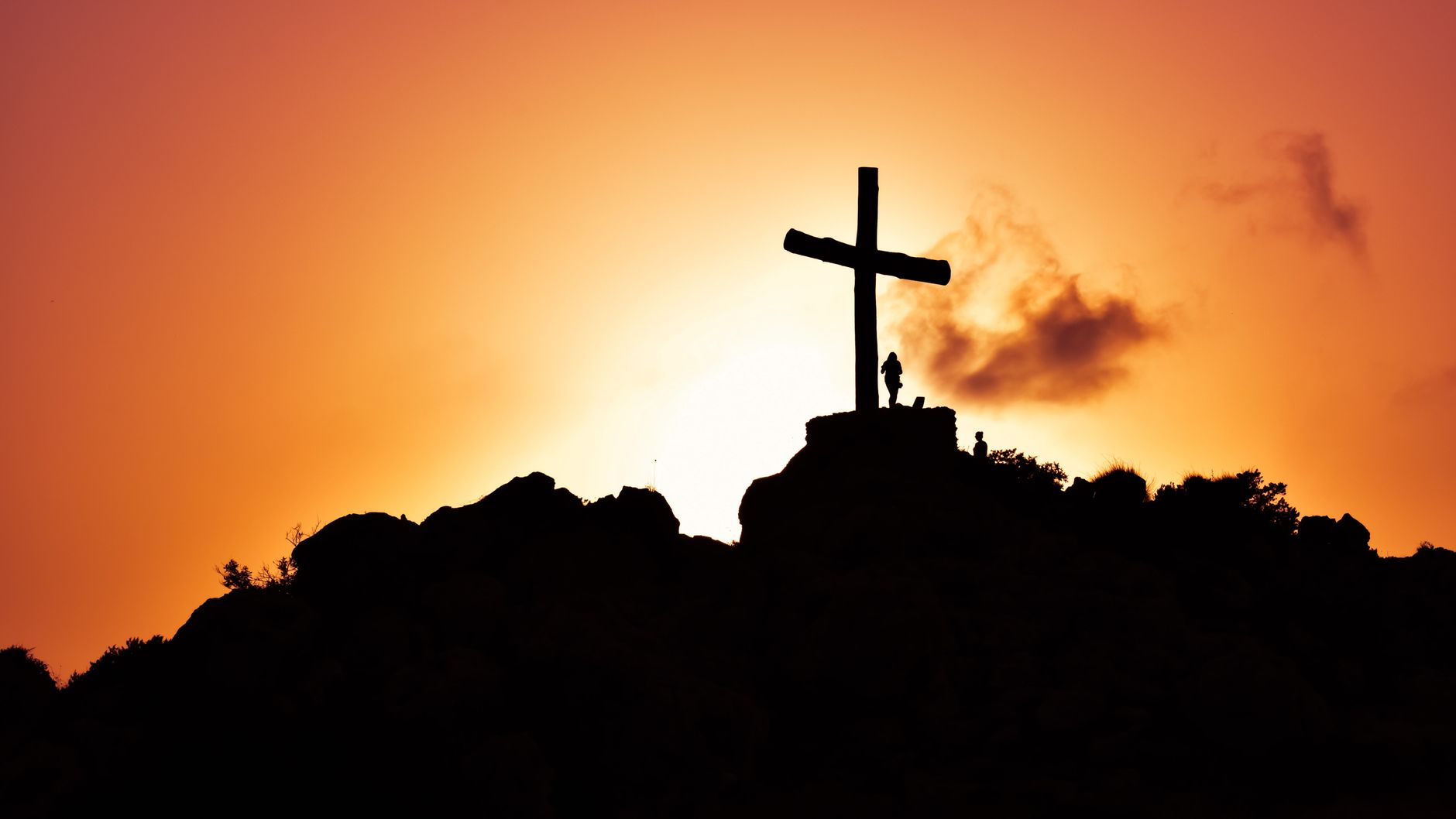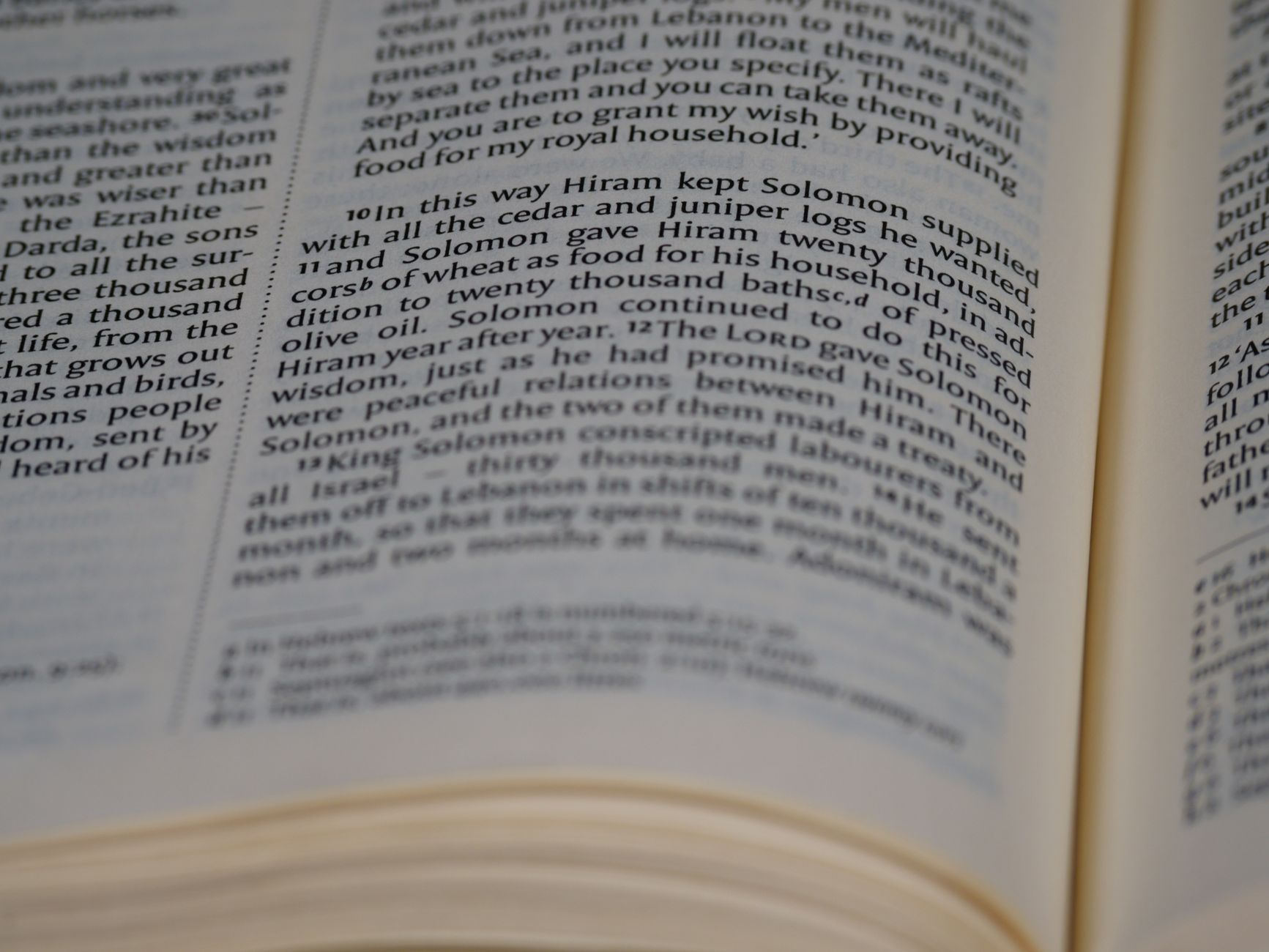
Look at the library in Alexandria, or even just your own bookshelf. It’s stacked to the ceiling with titles promising clarity. We buy the books, we read the summaries, and we feel a sudden, sharp lightness in our chests. As if understanding enough facts will somehow keep the rain from leaking through the roof.
But Solomon knew that knowing about things is a long way from living them.
Before he was the king who built the Temple, before the gold-plated chariots and the three hundred wives, Solomon was a young man standing on a hill in Jerusalem. The air smelled of dust and dried thyme. It was late summer, that sticky time when the heat hasn’t quite left the stones but the days are starting to shrink. The harvest was done, mostly. What remained needed preserving for winter.
And Solomon had a lot of things to preserve.
He asked God for wisdom—not wealth, not long life, but the ability to discern between good and evil. And God gave it to him, abundantly. says, "Blessed are those who find wisdom, those who gain understanding, for she is more profitable than silver and yields better returns than gold."
It sounds wonderful. It really does. But here’s the catch, the thing that gets us: Solomon didn’t just receive wisdom like a gift card. He had to weigh it, measure it, and sometimes, carry it.
We tend to treat wisdom like a commodity. We think that if we just gather enough scripture verses, listen to enough podcasts, and keep our moral house in order, we’ll be safe. But wisdom isn’t just data. It’s direction. And sometimes, the heavier our knowledge becomes, the harder it is to move.
Let’s talk about what that actually looks like in your Tuesday morning, or your Thursday evening.
Is Wisdom Just Knowing the Right Answer?
Most of us think wisdom is intellectual. It’s the ability to look at a situation and pick the correct option from the menu.
But in the ancient Near East, wisdom was practical. It was agricultural. It was relational. If you were a farmer in Solomon’s time, wisdom wasn’t about quoting Leviticus; it was about knowing when to plow and when to rest. It was about reading the clouds, not just the sky.
puts it simply: "The fear of the Lord is the beginning of knowledge, but fools despise wisdom and instruction."
Notice it doesn’t say "the beginning of intelligence." It says knowledge. But then, in , it clarifies: "For the Lord gives wisdom; from his mouth come knowledge and understanding."
So, what’s the difference?
Knowledge is having the map. Wisdom is knowing how to walk the terrain without falling into the ditch, even when it’s dark and you’ve misplaced the lantern.
I remember sitting with a friend last year, his face drawn tight from work stress. He had all the right answers. He knew about grace. He understood justification by faith. But he was exhausted. He was trying to perform his way into peace, using his theological knowledge as a shield against life’s chaos. He had the map, but he was walking with his head up, ignoring the rocks at his feet.
That’s the trap of intellectualism. We become experts in our own heads but strangers to our own hearts.
True wisdom, the kind Solomon describes, is humble enough to admit what it doesn’t know. It’s not shouting from the pulpit; it’s listening at the door.
Does Wisdom Feel Like Freedom or Friction?
Here’s a question you might be asking right now: If God wants me to be wise, why does wisdom often feel so much like friction?
We expect a life of wisdom to be smooth. Like oil on gears. But look at the early chapters of Proverbs. Wisdom calls out in the streets. She cries in the marketplaces. And when people ignore her? There’s consequences. Sharp ones.
warns us, "There is a way that appears to be right, but in the end it leads to death."
"Wise" doesn’t always mean "comfortable." In fact, it often means the opposite.
Think of a skilled surgeon. Her wisdom is precise, meticulous, and incredibly valuable to her patients. But that wisdom requires discipline. It requires saying no to distractions. It requires making hard cuts so the patient can live. That’s friction.
Solomon’s wisdom wasn’t just advice for a good life; it was instruction for a holy life. And holiness often disrupts our comfort zones.
When you choose wisdom, you might lose a friendship because you can’t compromise on truth anymore. You might gain peace but lose status. You might stop chasing the latest trend and feel like you’re falling behind.
It’s like pruning a grapevine. You cut away the healthy-looking branches to ensure fruit next year. It looks like loss. It feels like loss. But it’s actually life.
So, when wisdom feels heavy, don’t panic. You’re not being punished. You’re being shaped.
How Do We Handle the Weight of It All?
This is where I have to be honest with you. Sometimes, I feel like Solomon’s wisdom is too much for me.
I read , "If you find honey, eat just enough—too much of it, and you will vomit."
Honey. Sweetness. Truth. Grace. All good things. But too much of anything, and it turns sour in your gut.
I’ve struggled with this. I want to be the wise friend. The one who always has the right scripture, the gentle word, the practical solution. But sometimes, I’m so busy trying to be wise that I forget to be human. I start managing my relationships instead of loving them. I start curating my spiritual life like a museum exhibit.
The pressure to have it all figured out is exhausting.
Solomon knew this. That’s why, later in life, he wrote Ecclesiastes. He looked back at all his wisdom, all his building, all his gathering, and he said, "Vanity of vanities! All is vanity."
Not because it was bad. But because it wasn’t God.
Wisdom, when it becomes our idol, becomes a burden. It’s the burden of having to get it right every time.
So how do we carry it?
We stop trying to be Solomon and start trusting the One who gave him wisdom.
God doesn’t give us wisdom so we can stand on a pedestal. He gives it to us so we can walk through the mud with our eyes open.
is the anchor here, and you’ve probably heard it a thousand times. But let’s look at it closely: "Trust in the Lord with all your heart and lean not on your own understanding; in all your ways submit to him, and he will make your paths straight."
Notice the sequence. Trust first. Then, lean not on your personal insight. Not insight itself—but your reliance on it.
Your personal insight is finite. It’s limited by your perspective, your mood, your past trauma, your current weather. God’s wisdom is infinite.
When you lean on your personal insight, you’re carrying the world. When you trust in the Lord, He carries the burden of your confusion.
What Does It Look Like to Live This Week?
So, what does this look like on a Tuesday?
It looks like pausing before you speak. Just for a second. It’s the difference between reacting and responding.
It looks like admitting when you don’t know. There is a deep freedom in saying, "I’m not sure," or "I was wrong." Solomon’s wisdom included the humility to correct course.
It looks like preparing for the harvest, as we are doing now with the shortening days. It’s not just about gathering enough for winter; it’s about storing up what matters. The memories, the lessons, the love.
Try this: Pick one area of your life where you feel the friction. Maybe it’s a difficult relationship, or a financial decision, or just the noise in your head. Don’t rush to fix it with another piece of advice. Sit with it. Ask God for the specific wisdom for this moment, not just general wisdom for your life.
And then, do the next right thing. Small steps. Faithful steps.
Solomon didn’t build the Temple in a day. He laid one stone on top of another. That’s wisdom. Stone by stone.
A Prayer for the Weighted Heart
Lord, thank You for the gift of wisdom, even when it feels heavy. Help me to stop treating my faith like a checklist and start seeing it as a relationship. Give me the courage to lean not on my personal insight, but on Your steady hand. When I feel the pressure to have all the answers, remind me that it’s okay to just trust You. Let my wisdom be gentle, practical, and rooted in Your love. Amen.