The Kingdom of God is not a fortress; it is a garden.
We often imagine the divine world as something massive, loud, and undeniable. A mountain that blocks the horizon. A city of gold with walls so high you can see them from space. But when Jesus tells the parable of the mustard seed, He is telling us something much stranger. And much more vulnerable.
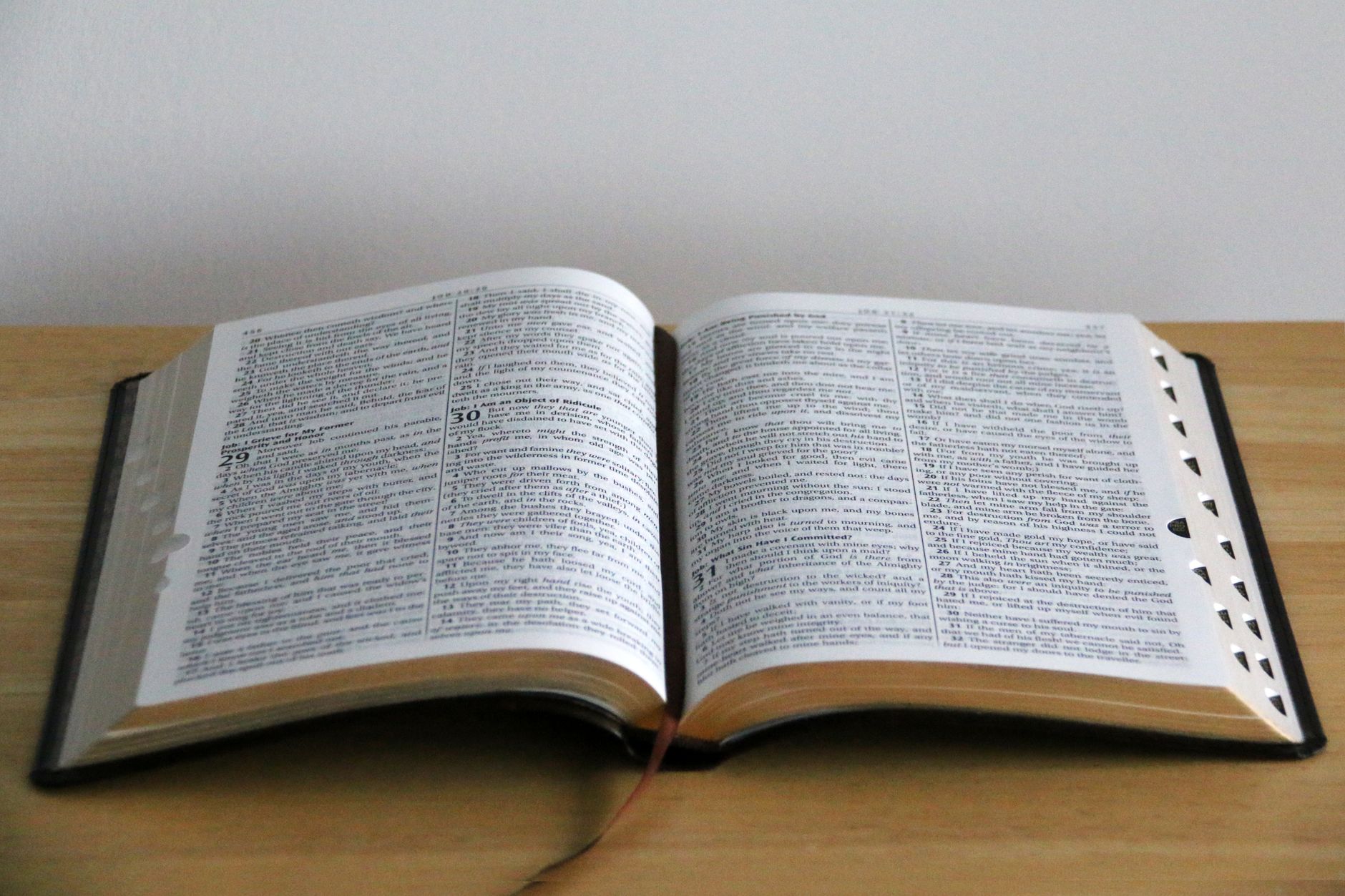
Look at the text first. It’s short enough to read in a breath.
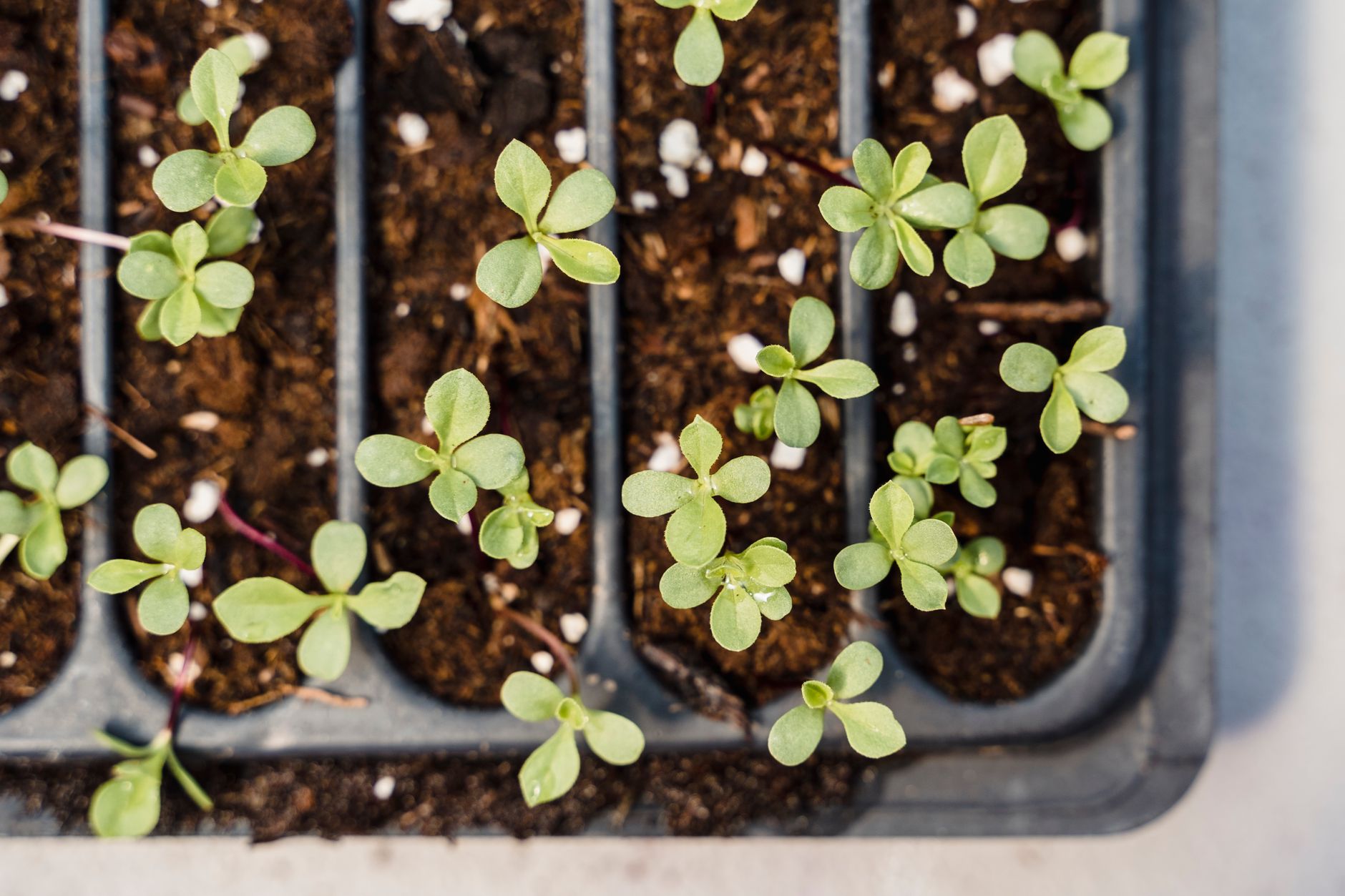
— “The kingdom of heaven may be compared to a mustard seed, which a man took and sowed in his field, though it is the smallest of all seeds, yet when it grows it becomes a tree, so that birds can come and perch in its branches.”
It’s a tiny image. A seed smaller than a grain of rice. Buried in dirt. Invisible.
And that is where the trouble starts for most of us. We want a cathedral. The divine presence feels like it should look like a religion we can point to, a structure that tells the world exactly who belongs and who doesn’t. But Jesus picks a weed. Technically, in ancient agriculture, the mustard plant was often considered an invasive crop that took over fields. It’s messy. It spreads without asking permission.
Does God’s work always look big?
I’ll be honest. I’ve struggled with this too. For years, I measured spiritual success by visibility. If I wasn’t leading a large ministry, if my prayer life didn’t feel thunderous, if I couldn’t point to a clear victory in the last month, I assumed God was quiet because He was absent.
But look at the seed again. It is buried. In the dark. In the cold.
Right now, it is late autumn. The leaves are falling off the oaks in my neighborhood. It looks like death. Like the end of things. The year is winding down, and honestly? I’m tired. There’s a specific kind of exhaustion that comes with November—the exhaustion of having carried things for ten months, wondering if any of it mattered.
The plant does not care about the season. It cares about the soil.
How do we talk about something so small when the world demands proof of size?
We live in a culture that is allergic to subtlety. We want statistics. We want news clippings. We want to know how many people were saved, how much money was raised, how loud the worship band is. When we talk to friends of other faiths—or even when we just scroll through social media—there’s a pressure to perform. To show that Christianity is "winning."
But the seed doesn’t argue. It just grows.
There’s a deep humility in that. In many Eastern traditions, there is a deep respect for the small things that change over long periods of time. The bamboo tree spends five years building roots underground while showing almost no growth above ground, then shoots up ninety feet in six weeks. It’s a similar rhythm to the Kingdom Jesus describes here. Quiet accumulation. Hidden work.
I used to read this verse and feel a bit of frustration. I wanted Jesus to say, "The Kingdom is an army." Armies make sense. They have ranks. They have borders they defend. But a tree? A tree provides shade. It invites birds. It doesn’t conquer the birds; it gives them a place to rest.
That distinction changes everything about how I approach my faith now. It shifts the focus from defense to hospitality.
What if the "small" thing I’m doing is actually the whole picture?
We are living in a fragmented time. We see the world as broken into pieces—political, social, spiritual. And we try to fix the biggest piece first. We think God’s rule will arrive when the government changes, or when society accepts our moral framework, or when we win the culture war.
But Jesus says: The divine reign starts in the field. In the dirt. In the unglamorous, unsexy place where you are sowing goodness into the soil of your daily life.
Maybe that’s a conversation with your neighbor who is grieving. Maybe it’s you choosing not to gossip in the breakroom at work. Maybe it’s sitting in silence with a friend who is angry, not trying to fix their anger, just letting them be in it.
These things are invisible. No one takes a photo of you being kind to a cashier when they’re having a bad day. It doesn’t trend on Twitter (or X, whatever it’s called this week). It just happens. And then, maybe, that cashier is a little less sharp with their coworker later. That’s the seed spreading.
I remember a time when I felt like my faith was stagnant. I wasn’t "growing" in the way I thought I should be. I wasn’t winning arguments. I wasn’t leading a team. I was just... existing. Reading my Bible in the morning, going to work, coming home, feeling a vague sense of emptiness.
I almost quit on the quietness. I thought God was bored with me.
But looking back, that season of "smallness" was the most fruitful I’ve had in years. It wasn’t about the output. It was about the root system.
The plant is a tree, but it’s not an oak. It doesn’t live for centuries in the same spot, becoming a monument to itself. It lives its life quickly, intensely, and then it seeds the next generation.
There’s a beauty in that impermanence. We tend to want our faith to be a monument—stone, permanent, unchanging. But the divine work is organic. It’s alive. And living things have seasons.
As I sit here, watching the bare branches against a gray sky, I’m reminded that winter isn’t the opposite of life. It’s part of it. The tree looks dead, but the roots are busy. They’re deepening. They’re holding on to moisture that isn’t visible from the surface.
You don’t need to see the fruit right now. You just need to trust the seed.
This isn’t about being passive, though. That’s a common mistake people make with this verse. They think "small" means "lazy." It doesn’t. A mustard seed is tiny, but it contains a massive amount of potential energy. It is packed with the blueprint for a whole ecosystem.
Your small acts of faith—your prayer, your patience, your love for the difficult person in your family—they are packed with that same energy. They look small because you’re close to them. You can’t see the whole tree from inside the seed coat.
But the birds will come. Eventually. Maybe not this week. Maybe not this year. But in God’s world, nothing is wasted. There are no dead ends. There is only growth that we can’t yet see.
I don’t have a neat answer for how to know if I’m actually "in" the Kingdom. There’s no test. No badge. It’s more like asking if you’re breathing. You only notice it when you hold your breath for too long and get anxious.
The divine presence is the air we breathe in our faith lives. It’s easy, right? Too easy to ignore until you feel suffocated by the world’s noise.
So, as the year closes out, I’m not looking for a grand finale. I’m not waiting for a trumpet blast that will shake the windows of my house. I’m just sowing. A little bit here. A little bit there.
I’m trusting that the God who planted a seed in the ground knows what He’s doing. Even when it looks like nothing is happening.
Especially then.