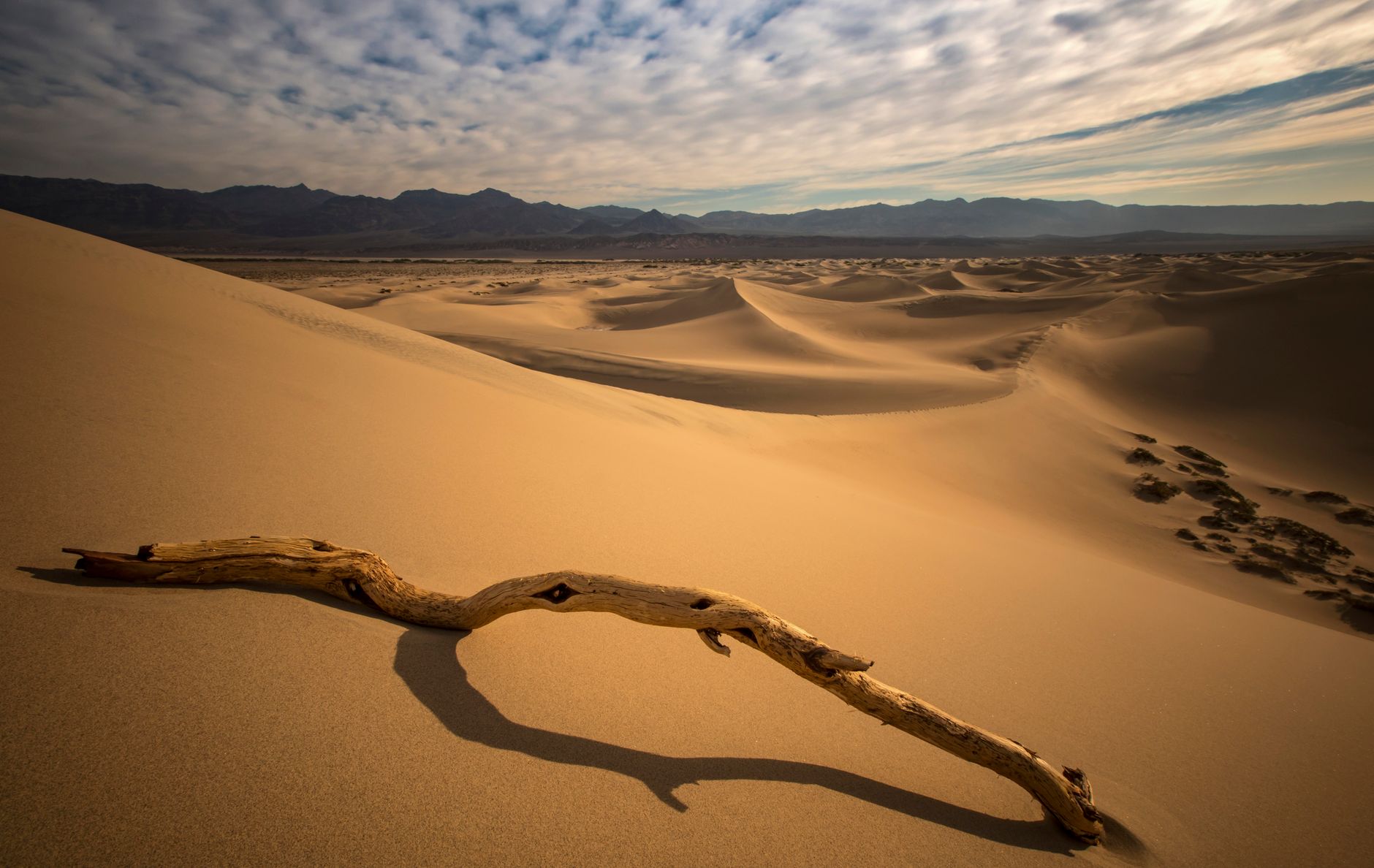
The air in Mesopotamia was dry. Not just dry like a parched field in August, but bone-dry. It was a heat that cracked lips, shriveled skin, and turned water into memory. You can’t breathe in a place where the dust coats your lungs. That’s the setting Ezekiel finds himself in. It’s not a temple. It’s not a battlefield. It’s a vast, open plain covered by a carpet of human skeletons, bleached white by the sun and wind.
Most of us picture Ezekiel standing on a mountaintop, shouting at the sky. But here? He’s standing on the dead.
The context is crucial. The people of Israel had just been dragged off to Babylon in chains. Jerusalem was ash. The temple was rubble. For three years, Ezekiel had been living in exile, surrounded by the same exiles who were whispering, “The Lord’s timing is delayed; our hopes are fading.” They felt forgotten. They felt finished. And then, in a vision so vivid it made his knees shake, God took him back and set him down in the middle of a valley of dry bones.
It’s late summer now. The days are still long, but you can feel the shift in the air. The harvest is mostly in, but there are still stalks left in the field, waiting for the final cut. It’s a season of finishing. Of wondering if what you’ve planted actually took root. Of looking at your own life and asking, “Is this it? Is this all there is left of my faith?”
That’s where Ezekiel starts. Not with a miracle. Not with a shout of victory. But with a question that feels almost rude.
The Question That Changes Everything
— "The hand of the Lord was on me, and he brought me out by the Spirit of the Lord and set me in the middle of a valley; it was full of bones. He led me back and forth among them, and I saw a great many bones on the ground, bones that were very dry."
God doesn’t just show Ezekiel the bones. He walks him through them. Step by step. Side by side. Until the prophet is surrounded by the sheer scale of death.
Then comes the question. It’s simple, almost casual, yet it cuts to the core of everything we think we know about how God works.
— "‘Lord God,’ you yourself know,”
Ezekiel doesn’t say, “Yes, Lord.” He doesn’t launch into a theological treatise on omnipotence. He points back to God. You know. You’re the one holding the blueprint.
I’ll be honest, I’ve struggled with this too. For years, I read this and felt like I was supposed to be confident. I thought faith meant having the answers. But Ezekiel’s faith wasn’t in his own ability to predict the outcome; it was in his trust that God was the only one who mattered. When we face our own valleys—whether it’s a marriage that feels dead, a career that stalled, or a health diagnosis that won’t go away—we tend to panic. We try to fix it. We try to force life into the dead parts.
But God asks the question first.
— "Then he said to me, 'Prophesy to these bones and say to them, 'Dry bones, hear the word of the Lord!’"
This is the first movement. God doesn’t fix the bones immediately. He gives them a job. He tells them to listen.
In the ancient world, a prophet’s word wasn’t just a prediction; it was an authoritative declaration. But here, the bones are dead. They can’t hear. They can’t respond. Yet God commands them to listen to His word. It’s a strange command. Why speak to the deaf? Why shout to the dead?
Because the voice of God carries power, even before the life returns.
It’s like the first time I heard my daughter wake up from a deep sleep. She wasn’t awake yet. Her eyes were closed. Her breathing was slow. But when I said her name, something shifted. Not immediately. But the potential for life was activated. The word of God is that voice. It doesn’t always change the circumstance instantly. But it changes the atmosphere. It reminds us that the Creator is still in the room.
And here’s the thing about late summer: the crops don’t just wake up because we want them to. They wake up because the seed was planted, because the rain fell, because the sun rose. Even when we can’t see it. Even when it looks like nothing is happening.
God is asking us to prophesy to our dry bones. Not by our own power. But by hearing His word.
The Command: From Dust to Breath
— "This is what the Lord God says to these bones: 'I will make breath[wind/breath] enter you, and you will come to life. I will attach tendons to you and make flesh come upon you and cover you with skin; I will put breath in you, and you will come to life. Then you will know that I am the Lord.'”
This is the promise. It’s specific. It’s detailed. It’s not just “you’ll be alive.” It’s “you’ll be whole.”
Tendons. Flesh. Skin.
God doesn’t just snap His fingers and make them new. He rebuilds them from the inside out. He starts with the structure (tendons), then covers it (flesh), then wraps it (skin), and finally, He adds the life force (breath).
It’s a process. And it’s a reminder that restoration isn’t always instant. Sometimes, God gives us the framework first. He gives us the strength to stand. Then the covering to be protected. Then the breath to move.
I remember a friend who went through a long illness. For months, she was just “there.” She wasn’t dead, but she wasn’t living. She was surviving. And then, slowly, the strength returned. The color came back to her cheeks. And one day, she just started laughing again. It wasn’t a miracle that happened in a second. It was a rebuilding. A restoration.
And that’s what God promises here. He doesn’t just revive; He restores. He puts us back together.
But there’s a catch. The bones had to listen. They had to respond to the word. And when they did, the noise began.
— "So I prophesied as I was commanded. And as I was prophesying, there was a noise, a sound as the bones came together, bone to bone. I looked, and I saw tendons and flesh appeared on them and the skin covered them, but there was no breath in them.”"
They were alive. They were whole. But they weren’t breathed into yet. They were like corpses waiting for the final spark.
This is where many of us get stuck. We get the healing. We get the breakthrough. We get the job. We get the peace. But we don’t have the power. We’re walking around, but we’re not fully alive in the way we were meant to be. We’re functional, but not vibrant.
God waits for the breath.
— "Then he said to me, 'Prophesy to the breath; prophesy, son of man, say to it, 'This is what the Lord God says: Come from the four winds, O breath, and breathe into these slain, that they may live.'”"
Notice the shift. Now, God tells Ezekiel to prophesy to the wind (or breath, ruach in Hebrew). The same word means wind, breath, and spirit.
God is calling on the Ruach of God to enter the bodies.
This is the Holy Spirit. This is the life force. This is the power that turns a corpse into a warrior.
And when Ezekiel prophesied, the breath entered them. They stood up. A vast army.
— "I prophesied as he commanded me, and breath came into them, and they came to life and stood up on their feet—a tremendous army.”"
They were dead. Now they’re standing. And not just standing—they’re an army. Ready for the mission God has for them.
This is the promise for us. God doesn’t just want us to survive the valley. He wants us to stand in it. He wants us to be whole. And He wants to fill us with His Spirit so we can live out the purpose He has for us.
The Practice: How to Breathe on Your Dry Bones
So, what do we do? How do we live this out when we’re stuck in the dry season?
1. Listen for the Word, Not Just the Miracle
Stop waiting for the fireworks. Start listening for the whisper. God speaks through Scripture, through prayer, through the counsel of wise believers. When you feel dead, don’t just ask for life. Ask for His word. Read the Bible slowly. Let it sink in. Let it speak to your specific dryness.
It’s like tuning a radio. You don’t get the music until you find the frequency. And the frequency is God’s truth.
2. Expect the Rebuilding Process
Don’t be discouraged if you don’t see instant change. God is rebuilding you. He’s adding tendons. He’s covering you with flesh. He’s wrapping you in skin. It takes time. It’s messy. It’s painful. But it’s purposeful.
Trust the process. Trust that God is working even when you can’t see it.
3. Pray for the Breath
This is the most important part. We can have the structure. We can have the strength. But without the Ruach—the breath of God—we’re just another corpse in the valley.
Pray for the Holy Spirit. Ask Him to fill you. Ask Him to give you power. Ask Him to wake up the parts of your life that have been dormant.
And then, wait.
— "He said to me, 'Prophesy to these bones and say to them, 'This is what the Lord God says: I will make breath enter you, and you will come to life. Then you will know that I am the Lord.'”"
God is the one who brings life. We are just the instruments.
The Wider Lens: From Bones to Body
When we zoom out, this vision isn’t just about individual restoration. It’s about the people of God.
In Ezekiel’s day, the bones represented the house of Israel. They felt scattered. They felt defeated. They thought their story was over. But God said, “No. I will bring you back. I will put my Spirit in you. And you will live.”
And that’s what happened. They returned from exile. They rebuilt the temple. They became a nation again.
But it’s also a picture of the Church. We are the body of Christ. And sometimes, parts of us feel dry. We feel disconnected. We feel like we’re just going through the motions.
But God is raising us up. He is breathing His Spirit into us. And when He does, we become a “tremendous army”—not for war, but for witness. For love. For service.
We are called to be the hands and feet of Jesus. And that requires life. It requires breath. It requires the power of the Holy Spirit.
So, as the days get shorter and the air gets crisp, take a moment. Look at your valley. Look at your dry bones.
Ask God, “Can these bones live?”
And then, wait for His answer.
Because He will make breath enter you. And you will come to life.
And you will know that He is the Lord.