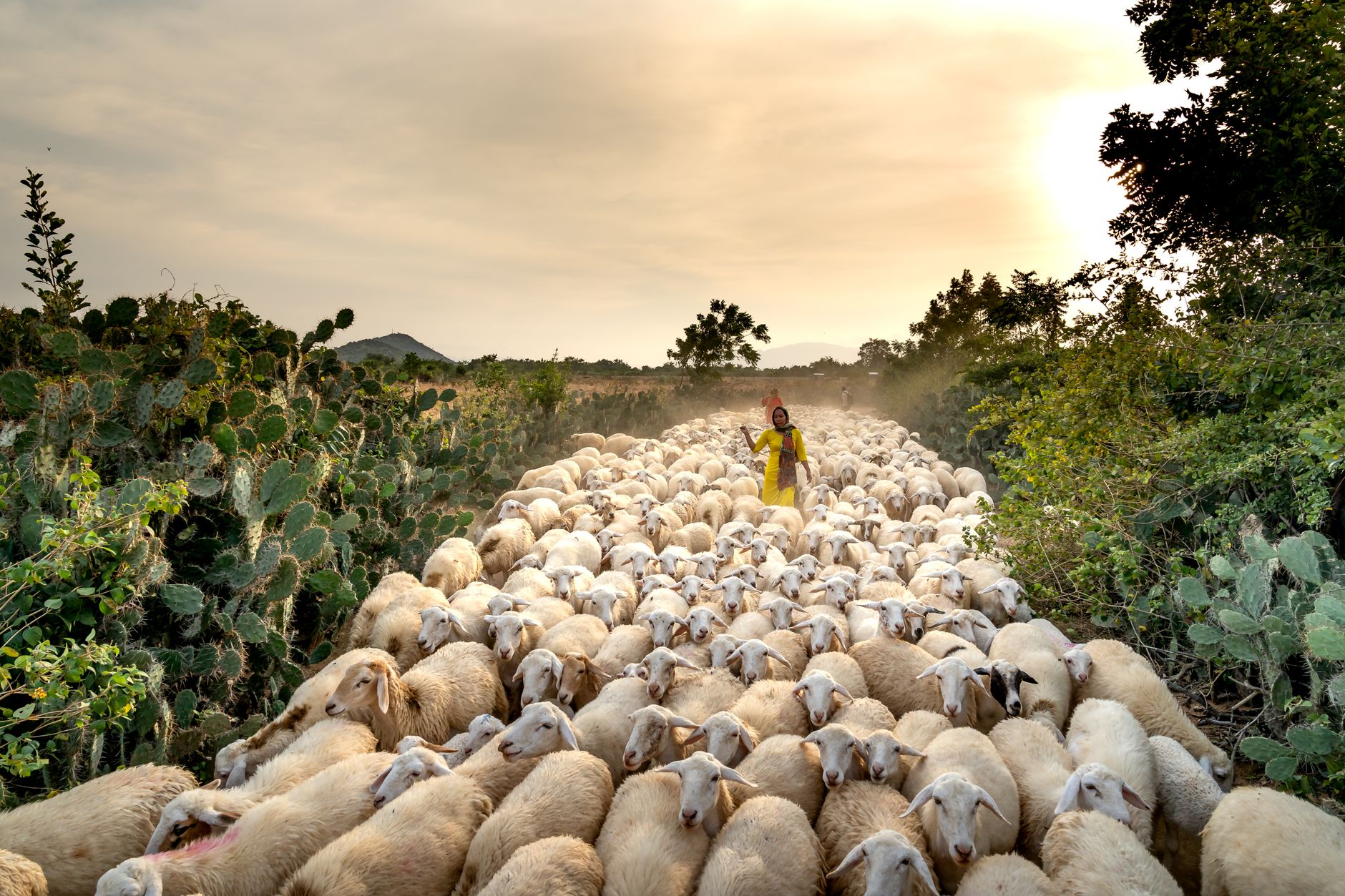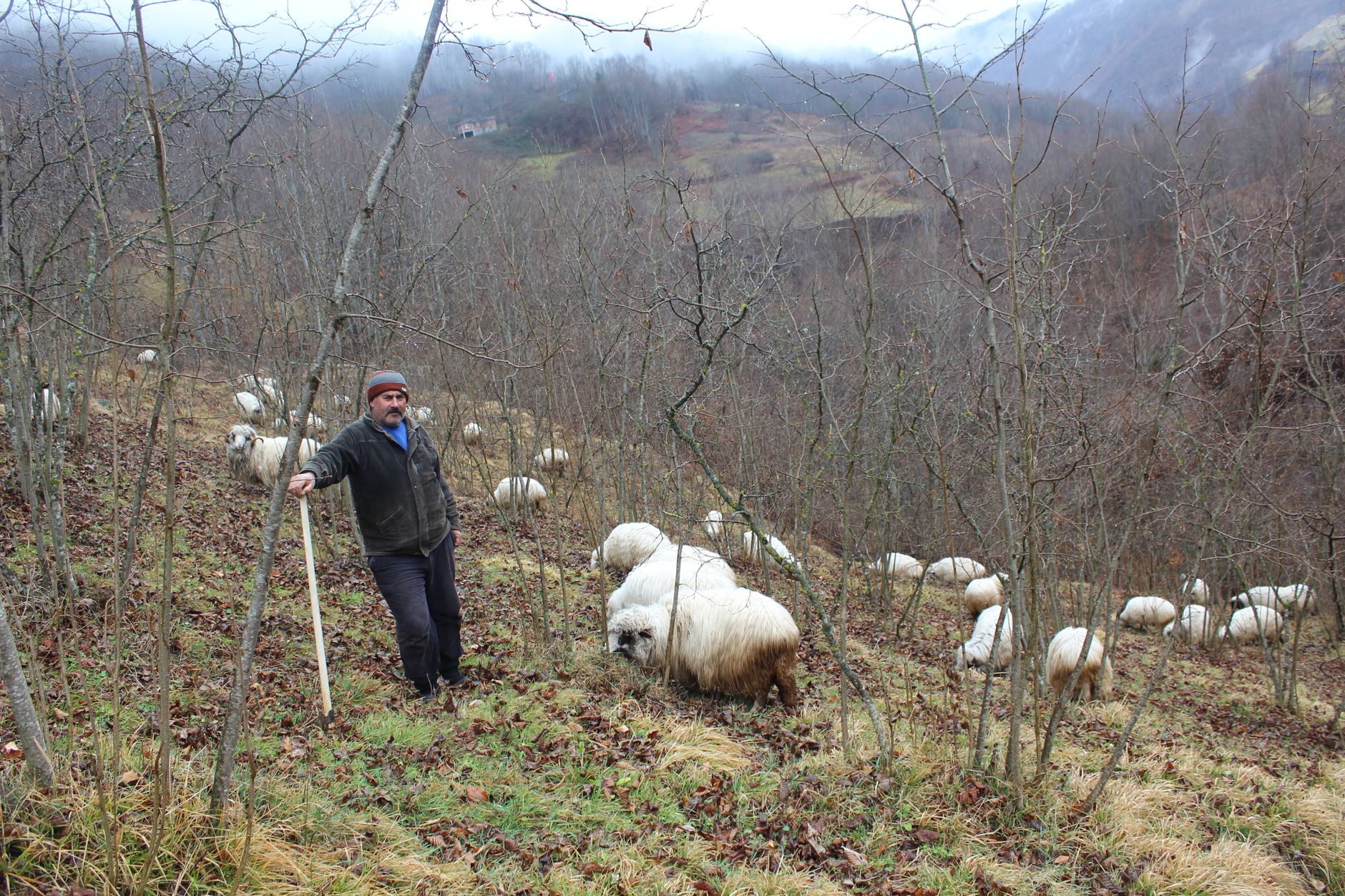
Picture this. It’s late afternoon in Judea, the light turning that thick, amber color that signals the day is ending. A shepherd stands on a quiet hill, watching over his flock. One sheep has wandered too far toward the brush where wolves hide. The shepherd doesn’t wait for the wolf to strike. He moves with purpose, his staff raised not in anger, but in readiness. This isn’t a cartoon villain; it’s a protector who knows the terrain better than the animal he loves.
We usually skip this part of Psalm 23. We rush to the green pastures and the still waters because they feel safe. They smell like lavender and peace. But David, who wrote this psalm while hiding in a cave from King Saul’s men, didn’t write about safety. He wrote about survival. And that changes everything.
The Stick You Didn’t Ask For
Here’s the thing about Psalms: they aren’t greeting cards. They’re field notes from a man who spent years in the wilderness, literally and figuratively. When David says, "The Lord is my shepherd; I shall not want" (), he’s making a massive theological claim. He is saying that his identity isn’t tied to his status, his location, or his fear. It’s tied to the One who leads him.
But then we hit verse 4, and it gets uncomfortable. "Even though I walk through the valley of the shadow of death, I will fear no evil, for you are with me; your rod and your staff, they comfort me."
I’ll be honest. For years, I read "your rod and your staff" and felt a bit of ick. To my modern ear, the word "rod" sounds like discipline. It sounds like a father with a leather strap in his hand. So I tried to soften it. I told myself, "Well, maybe he means the staff is for leaning on." And sure, the staff is for leaning. Shepherds used their crooks to pull sheep back from cliffs or to guide them onto paths. That part is gentle.
But the rod? The straight stick used for striking? That’s not for leaning.
Let me push back on my own hesitation. Why would David say a weapon comforts him? It’s counterintuitive, isn’t it? We think comfort comes from the absence of pain. But David is telling us that comfort comes from presence. Specifically, the presence of a Shepherd who will fight for you.
Think about it this way: If you’re walking through a dark, narrow valley and you hear the snap of a twig nearby—and you know something is there—the last thing you want is to be alone with your hands empty. You want a shield. You want a weapon. The rod comforts David not because he likes the hit, but because it proves his Shepherd is capable of defeating the enemy.
This is a crucial distinction. God’s discipline isn’t usually about punishing us for being bad; it’s about protecting us from being worse. It’s the Shepherd cutting away the thorn that’s getting in your eye so you don’t go blind. It hurts. But if the alternative is blindness, the pain of the cut is a mercy.
The Table in the Middle of Nowhere
There’s another part of this psalm that trips me up. Verse 5: "You prepare a table before me in the presence of my enemies; you anoint my head with oil; my cup overflows."
Why the table? Why now?
In the ancient world, a shepherd didn’t set a formal table in the field. That was a domestic thing. A sign of hospitality and high regard. When David mentions this, he’s saying that even when I’m out in the wild, surrounded by threats (Saul’s soldiers were always close), God treats me like a guest of honor.
This is where the late-autumn season I’m in right now hits home. The year has been... a lot. There have been days where I sat in my parked car, engine off, just staring at the steering wheel. Not because I was tired, exactly. But because I was overwhelmed by the sheer volume of things that needed resolving before December hit. Bills. Health scares. The quiet ache of a relationship that’s fraying at the edges.
In those moments, I don’t feel "overflowing." I feel drained. My cup is scraping the bottom.
So how do I reconcile my dry mouth with David’s overflowing cup?
It’s not about the quantity of grace. It’s about the quality of attention. When God prepares a table in the presence of enemies, He is saying: I am prioritizing you. I am looking at you right now, even while the chaos swirls around us. The oil on the head isn’t just for shine; it’s a sign of blessing and consecration. It says, "You are set apart. You are mine."
That’s a powerful thought to carry into the final weeks of the year. You don’t need your problems solved by Christmas Eve for God to be at the table with you. He’s already there. The cup overflows not because life is easy, but because His love doesn’t depend on your circumstances. It’s a fixed source. It doesn’t run dry when you do.
Walking the Long Road Home
David ends the psalm with a promise that sounds almost too good to be true. "Surely goodness and mercy will follow me all the days of my life, and I will dwell in the house of the Lord forever" ().
Notice the verb. He doesn’t say goodness and mercy will overtake me. He says they will follow me. Like a tail that keeps pace, no matter how far you run or how fast you stumble back.
This is the key to "finishing well." We often think finishing well means having a perfect résumé by December 31st. No regrets, no loose ends, everything tied up in a neat bow. But David’s view is different. He knows that goodness and mercy have been tracking him since the beginning. They’ve stuck to his heels through the green pastures, the dark valleys, and the crowded tables.
So, if you’re looking back at your year right now and seeing more shadows than light? Don’t panic. Look behind you. What has been following you all this time? Maybe it’s the patience of a friend who listened when you were too angry to be reasonable. Maybe it’s a prayer that didn’t get answered the way you wanted, but kept you alive. That’s mercy. That’s goodness. It was there the whole time, just waiting for you to turn around and see it.
A Quiet Return to the Hilltop
It’s dark now, back in that ancient field. The shepherd has led the flock down from the high pastures and through the dangerous valley. They are resting in a sheltered spot, safe from the wolves that prowl the open ground tonight.
David is there too. He’s not thinking about tomorrow’s battle with Saul. He’s not worrying about the politics of Jerusalem or the next mountain to climb. He is simply present with his Shepherd. The rod is in the shepherd’s hand, ready if needed. The crook serves as a guide for the next step. And David? He’s quiet.
There is real peace in that silence. It’s not the absence of trouble; it’s the presence of Trust.
As you sit with this verse this week, maybe in your own quiet moment—perhaps after the kids are asleep or while you’re sitting on your porch watching the leaves fall—try to shift your focus. Stop looking at the valley ahead, where the shadows are long and the path is narrow. Look behind you. See the kindness that has followed you through every mess, every mistake, and every hard day of this year.
It’s still there. It’s walking with you.
And that is enough.