Church as Family
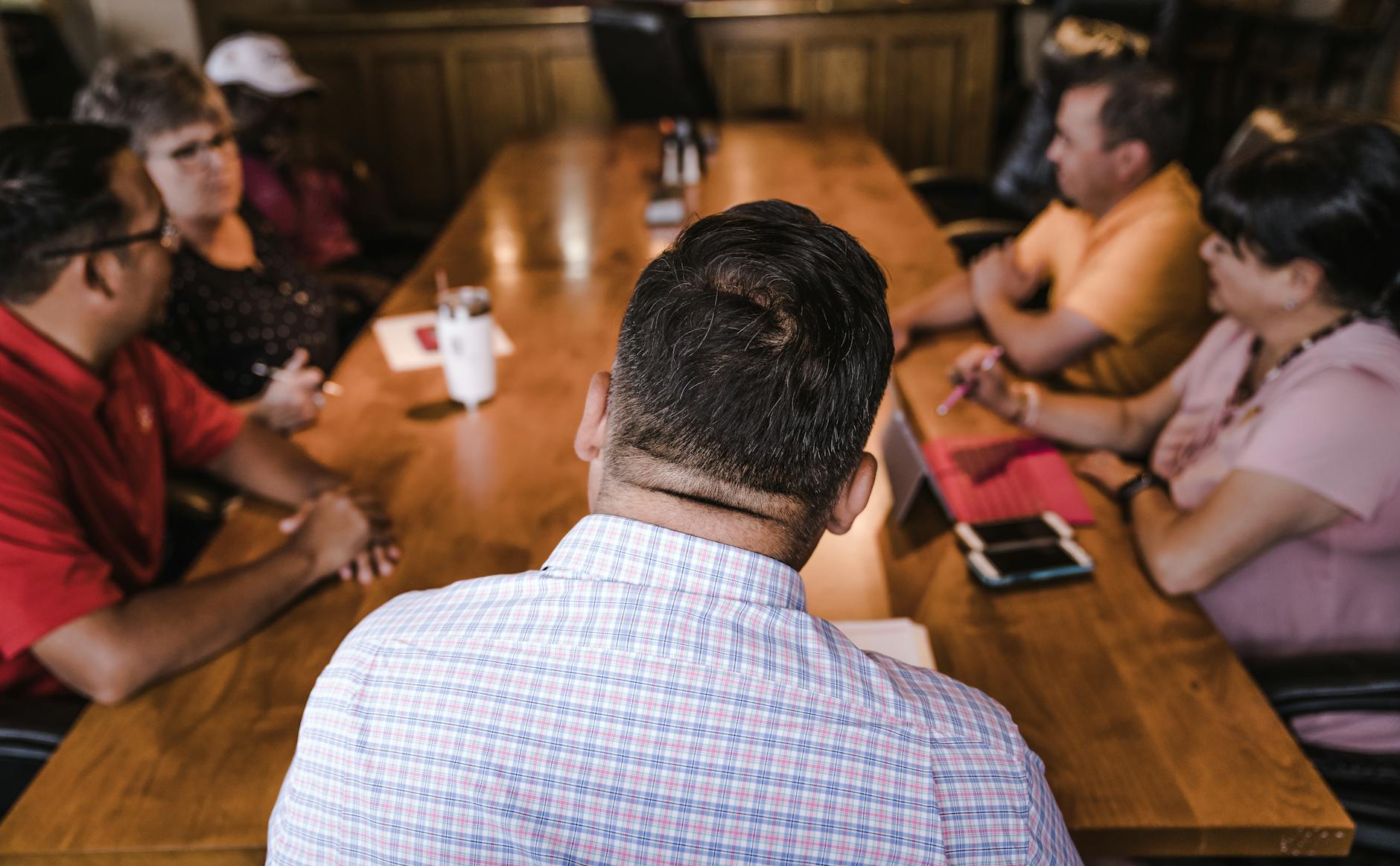
The early church's approach to fellowship was not just a nice idea, it was a necessity for survival. I still remember the first time I walked into a church that felt like a family reunion - the kind of place where everyone knew your name, and you couldn't get out of there without someone forcing a plate of food on you. It was a small, unassuming building in a quiet neighborhood, but the sense of community was palpable. As I looked around, I saw people from all walks of life, all sharing a meal together, and I couldn't help but wonder - what if this is what church is supposed to be like?
A Glimpse into the Early Church
The book of Acts gives us a glimpse into the life of the early church, and it's striking to see how they approached fellowship. In , it says, "They devoted themselves to the apostles' teaching and to fellowship, to the breaking of bread and to prayer. Everyone was filled with awe at the many wonders and signs performed by the apostles. All the believers were together and had everything in common. They sold property and possessions to give to anyone who had need. Every day they continued to meet together in the temple courts, they broke bread in their homes and ate together with glad and sincere hearts, praising God and enjoying the favor of all the people. And the Lord added to their number daily those who were being saved." This passage paints a picture of a community that was committed to one another, and it's hard not to feel a sense of longing for that kind of fellowship in our own lives.
I'll be honest, I've struggled with feeling like I don't quite fit into the traditional church mold. I've always felt like I'm on the outside looking in, wondering how to break into the inner circle. But as I read through the book of Acts, I'm struck by the fact that the first Christian communities weren't about creating a clique or an exclusive club - they were about creating a family. A family that was messy, imperfect, and sometimes dysfunctional, but a family nonetheless.
The Power of Shared Meals
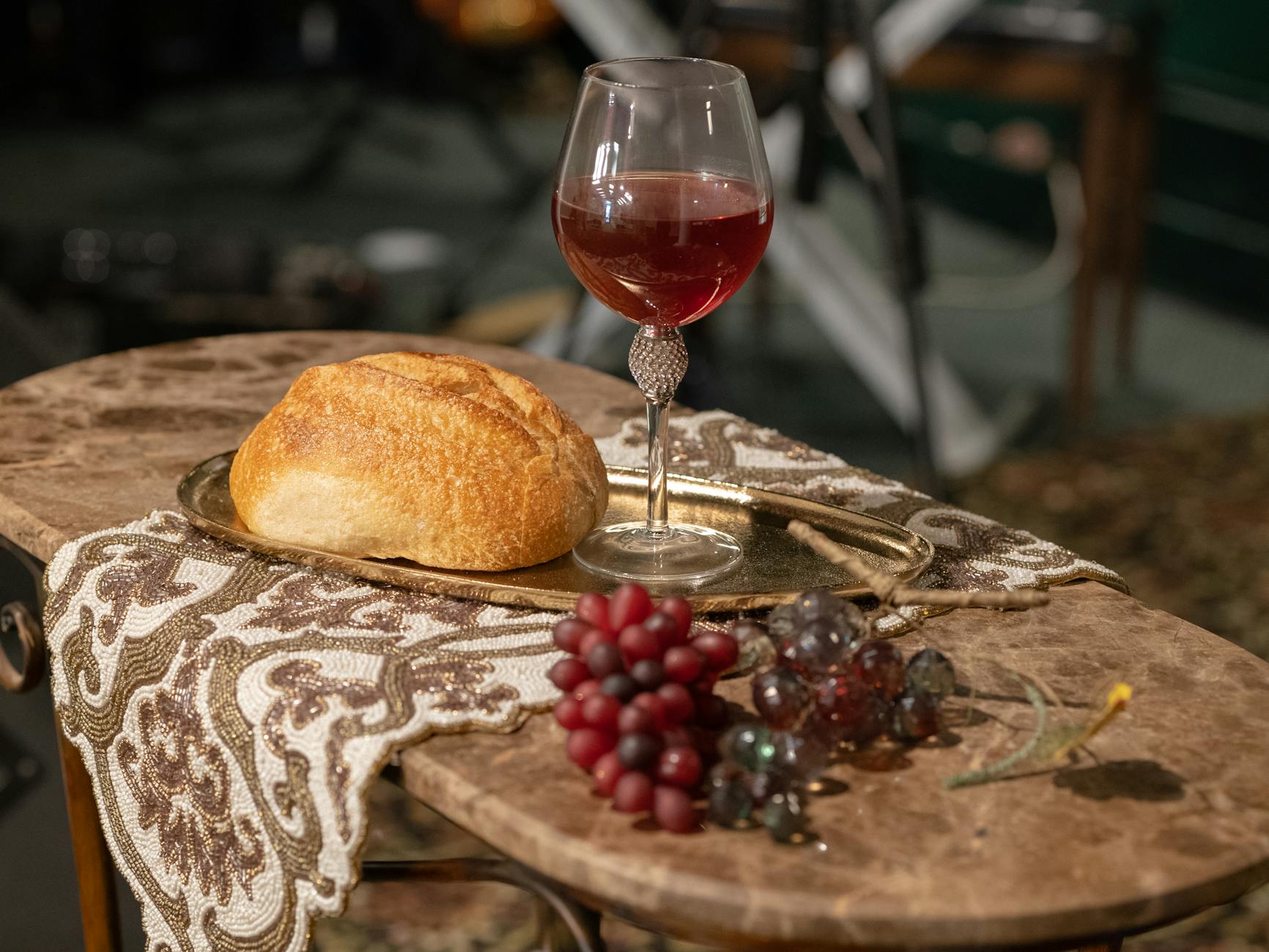
There's something profound about sharing food with someone. It's about intimacy, vulnerability, and connection. When we sit down together, we're saying, "I trust you, and I'm willing to be vulnerable with you." In , Jesus shares a meal with his disciples, and it's a powerful symbol of their relationship. The passage says, "Then came the day of Unleavened Bread on which the Passover lamb had to be sacrificed. Jesus sent Peter and John, saying, 'Go and make preparations for us to eat the Passover.' 'Where do you want us to prepare for it?' they asked. He replied, 'The owner of the house you will enter will show you a large upper room, all furnished. Make preparations there.' They left and found everything just as Jesus had told them. So they prepared the Passover. When the hour came, Jesus and his apostles reclined at the table. And he said to them, 'I have eagerly desired to eat this Passover with you before I suffer. For I tell you, I will not eat it again until it finds fulfillment in the kingdom of God.'" This moment was a turning point in their relationship, and it's a reminder of the importance of sharing food together in our own lives.
A Call to Reimagine Church
As I reflect on the fellowship practices of the first believers, I'm struck by the fact that we've lost something essential in our modern church experience. We've created these massive, impersonal gatherings that are more akin to rock concerts than family gatherings. And while there's certainly a place for those kinds of gatherings, I think we've forgotten the power of small, intimate communities. Communities that are built around shared experiences, mutual support, and collective growth. In , it says, "And let us consider how we may spur one another on toward love and good deeds, not giving up meeting together, as some are in the habit of doing, but encouraging one another—and all the more as you see the Day approaching." This verse challenges us to rethink our approach to community, to find ways to build meaningful relationships with one another.
But, I'll be honest, creating a sense of community in a world that's increasingly fragmented and isolated is a significant challenge. Getting people to commit to something that's not just about themselves, but about the greater good, requires a lot of effort. And building a space that's truly inclusive, where everyone feels welcome and valued, is no easy task. It's a bit like trying to get a group of cats to work together - it's just not in their nature. But, what if we could create a space that's more like a big, messy family gathering? A space where everyone has a seat at the table, and everyone is welcome to contribute?
Taking the First Step
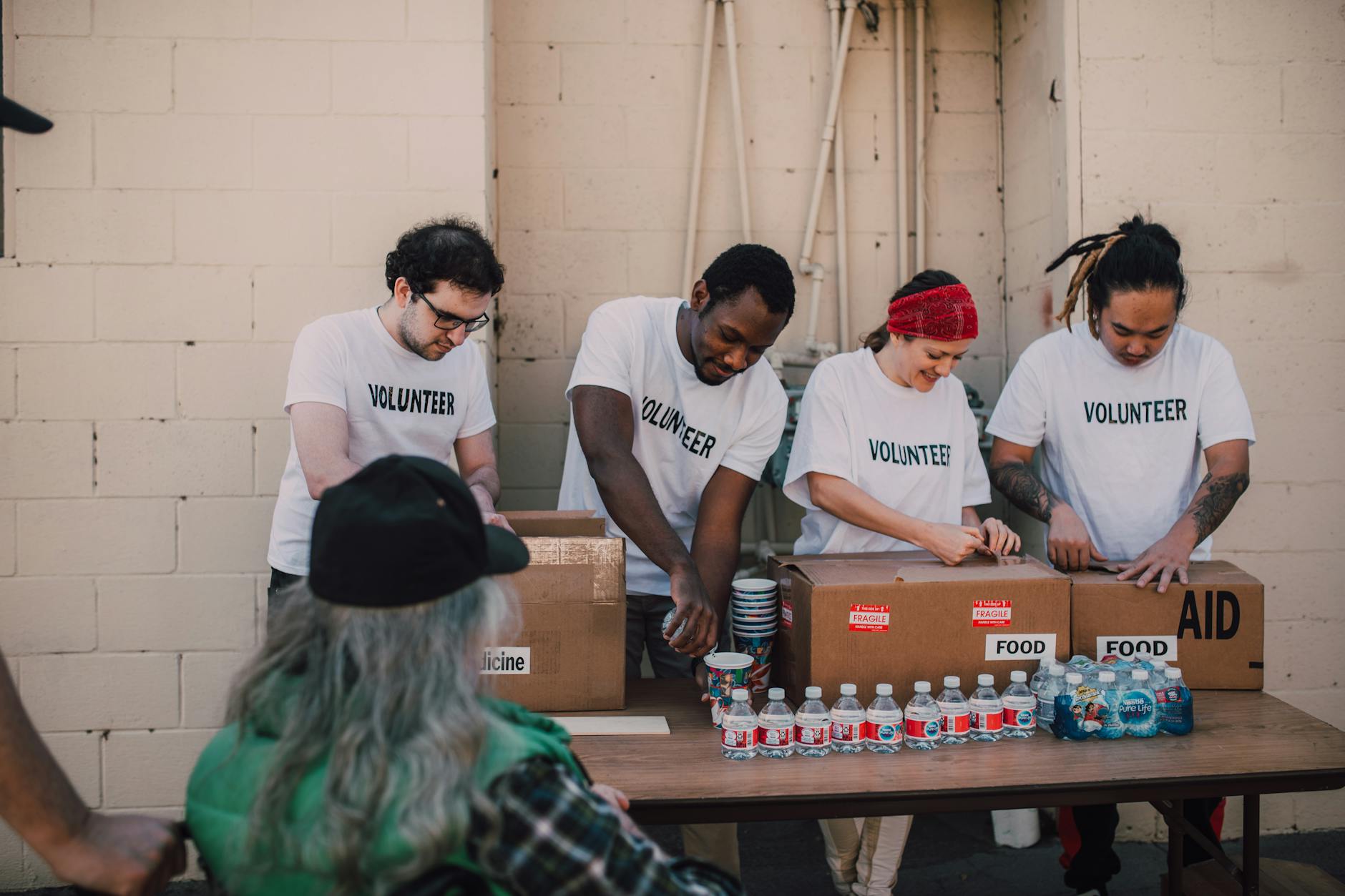
So, what can we do to start building this kind of community? We need to take small, intentional steps. We might begin by inviting someone to join us for a casual get-together, or meeting a friend for coffee. We can start by being willing to be vulnerable, to share our struggles and our fears with someone else. In , it says, "Carry each other’s burdens, and in this way you will fulfill the law of Christ." This verse reminds us that we're not alone in our struggles, and that we have a responsibility to support one another. So, this week, I want to challenge you to reach out to someone and suggest getting together for a potluck. Just show up, be willing to listen, and trust that God will do the rest. Take a deep breath, and send that text - "Hey, want to grab brunch this week?" It's a small step, but it's a start. And when things get messy, when conversations get awkward, or when plans fall through, remember that imperfection is a natural part of the process - and that's where the real growth happens.