"For to us a child is born, to us a son is given, and the government will be on his shoulders. And he will be called Wonderful Counselor, Mighty God, Everlasting Father, Prince of Peace." —
This verse — it's like a punch to the gut, in the best possible way. I mean, who doesn't want a Wonderful Counselor, a Mighty God, an Everlasting Father, and a Prince of Peace? We're all searching for something, or someone, to make sense of this crazy world.
But what does it really mean? I've read this verse a million times, and I'm still trying to wrap my head around it. Is this just some feel-good promise, or is there actually something to it?
The Problem: We're Still Waiting
We're waiting for peace, for hope, for a sense of direction. We're waiting for the government to be on someone's shoulders, for someone to take charge and make everything okay. But it's not happening, at least not in the way we expect. We're still stuck in our own struggles, our own fears, our own doubts. And honestly, it's hard to keep waiting.
I'll be honest, I've struggled with this too. I've felt like I'm just going through the motions, waiting for something to change, but not really knowing what that something is. It's like being stuck in limbo, unsure of what's next or how to get there.
The Promise: A Child Is Born
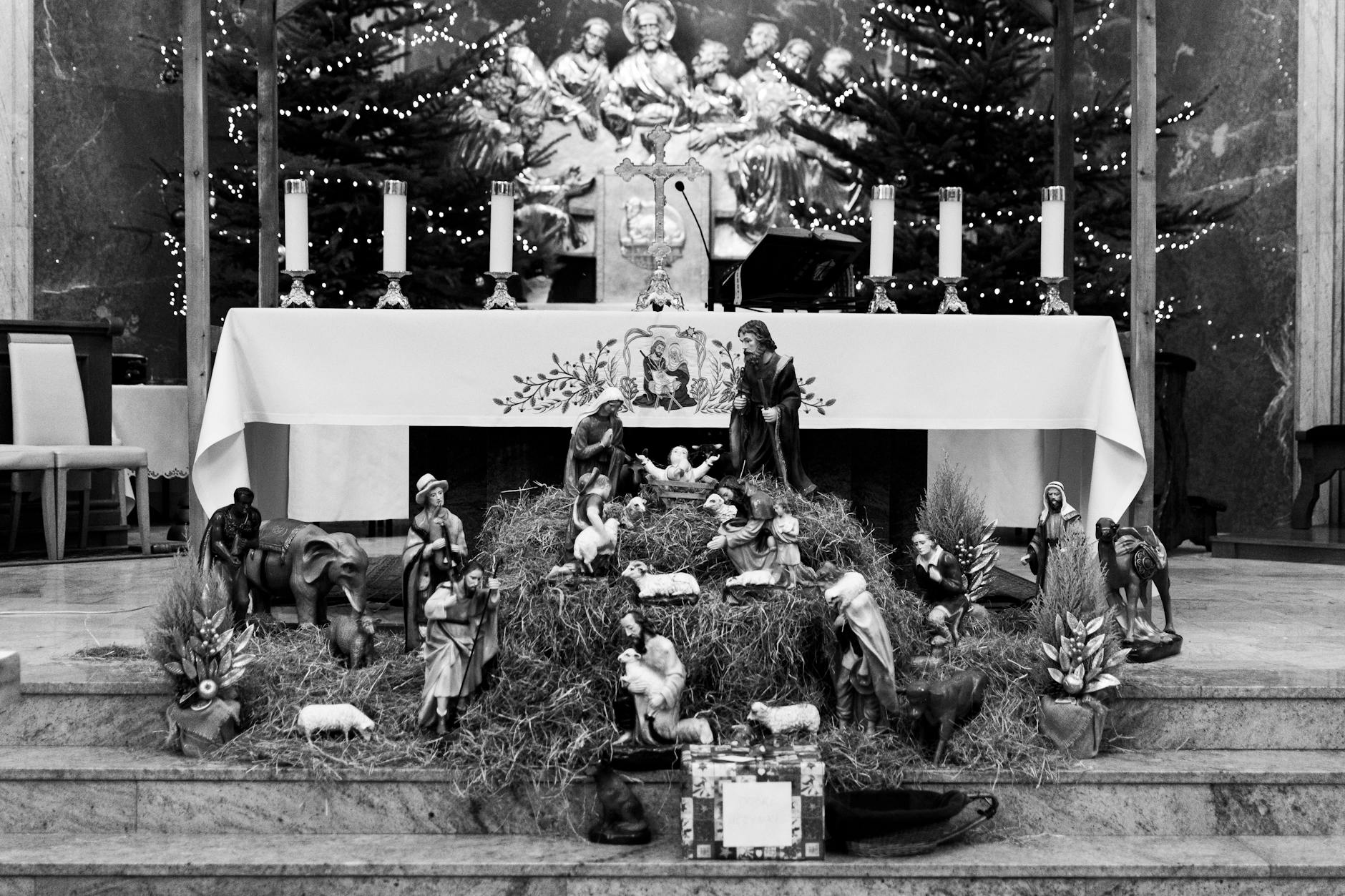
But then I read again, and I'm reminded that the promise isn't about some distant future or a magical solution. It's about a child, born to us, a son given to us. It's about God becoming human, entering our world, our struggles, our fears. And in doing so, He brought a different kind of government, a different kind of peace.
This promise isn't just about some abstract concept; it's about a real person, a real life, a real story. It's rooted in the reality of Jesus' presence, and hope and peace become tangible through His life.
Living the Promise
So how do we live this promise out? How do we take this abstract concept and make it concrete, make it real?
First, we must acknowledge our own struggles, our own fears, our own doubts. We can't just pretend like everything is okay when it's not. We have to be honest with ourselves, with others, and with God. We have to say, "I'm not okay, and I need help."
Second, we should look for Jesus' presence in our everyday lives. We should pay attention to the small things, the everyday things, the things that we often overlook. For instance, I was talking to a friend the other day, and they shared how they'd been feeling lost, but then they stumbled upon a community that welcomed them with open arms. It was a small thing, but it was a reminder that Jesus is indeed working in our lives.
Third, faith requires us to let go of our own control, our own plans, our own expectations. We must surrender to God's timing, which is not our own. His plans unfold in ways we cannot anticipate, and we must learn to trust in that. This means we have to release our grip on the need for immediate answers and instant solutions. Instead, we can learn to live with the uncertainty, trusting that God is working everything out for our good. As we do, we'll find that our hearts are slowly transformed, becoming more patient, more trusting, and more at peace.
And — this is the hard part — patience is essential. We have to trust that the promise is indeed being fulfilled, even when we can't see it. It's like waiting for a seed to grow into a tree; we can't rush the process, but we can trust that it's happening, slowly but surely.
I'm not going to lie, this is hard. It's hard to wait, to have faith. But what if this is the promise we've been waiting for? What if this is the moment when everything changes, when the government is indeed on His shoulders, when we can finally experience the peace and hope that we've been searching for?
You're sitting in your ordinary week, with your ordinary struggles, and your ordinary fears. But what if you took a deep breath, and you looked for the places where Jesus is already at work in your life? What if you took a step out in faith, and you let go of your need for control? What if you simply said, "I don't know what's next, but I'm going to trust that God does"?
That's the promise, and that's the question. Will you take the risk, and will you trust?