Faithfulness Across Generations
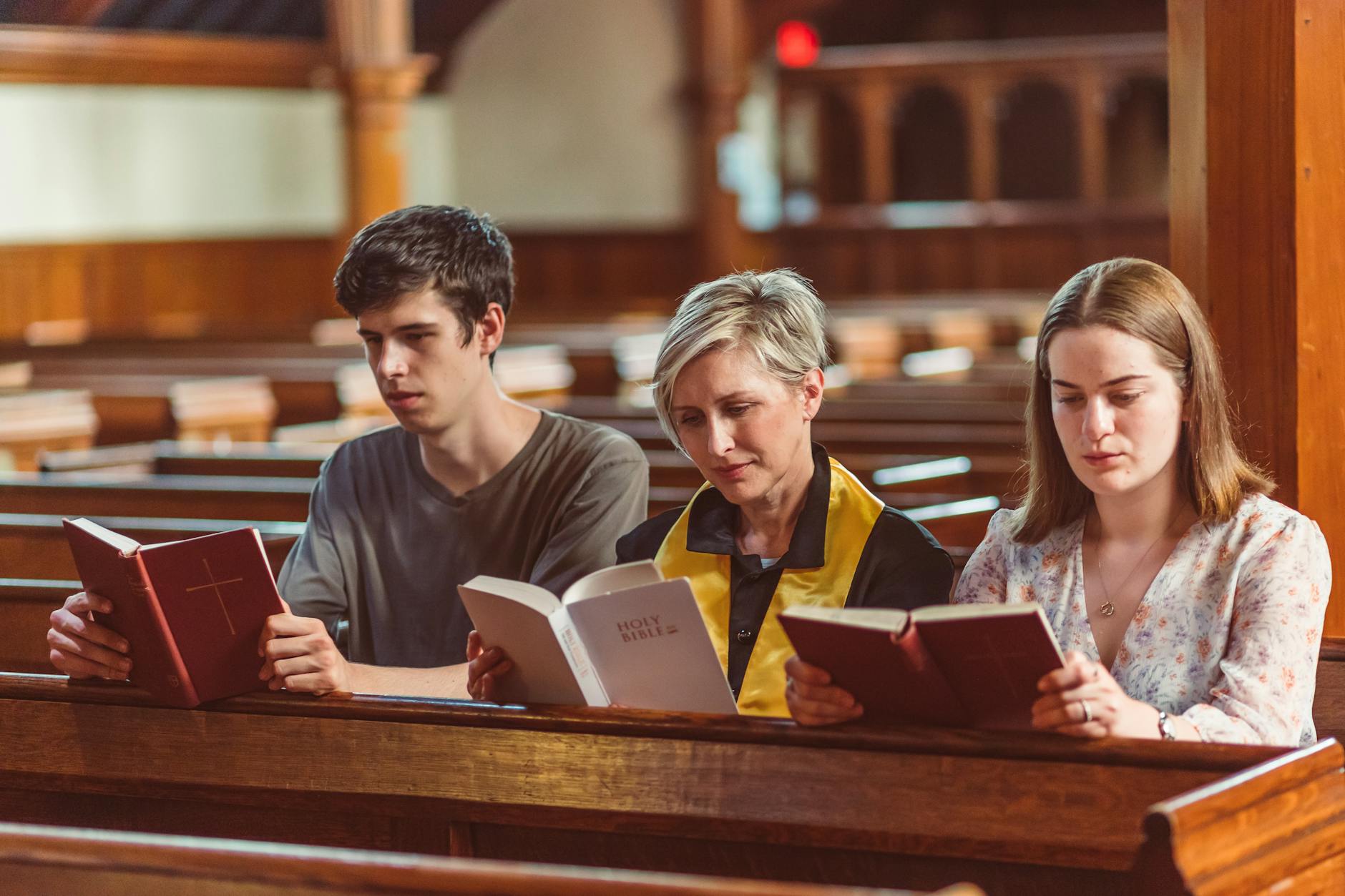
Can one moment of faithfulness change the generations to come?
I still remember the old, worn Bible that belonged to my grandmother. It was a tangible connection to her, a symbol of her unwavering faith that had been a part of our family for as long as I could remember. As I flipped through its yellowed pages, I stumbled upon a verse she had underlined in - "For the Lord is good and his love endures forever; his faithfulness continues through all generations." This verse, and her life, taught me about faithfulness that transcends time.
A Legacy of Faith
The concept of faithfulness across generations is not new; it's a theme woven throughout the Bible. In the book of Exodus, we see how the faithfulness of Moses and the Israelites was rewarded with freedom from slavery. But what's striking is how this faithfulness was not just a product of their actions, but a reflection of God's character. As says, "And he passed in front of Moses, proclaiming, 'The Lord, the Lord, the compassionate and gracious God, slow to anger, abounding in love and faithfulness, maintaining love to thousands, and forgiving wickedness, rebellion and sin.'" This passage highlights God's faithfulness as a foundational aspect of His nature, one that inspires faithfulness in His people.
But how does this play out in real life? For my grandmother, it meant living a life of quiet, unwavering dedication to her faith, even when the world around her seemed to be falling apart. She faced countless challenges, from poverty to personal loss, yet her faith remained unshaken. And as I look back, I realize that her faithfulness was not just about her; it was about the generations that came before her and those that would follow. It was a legacy that she inherited and passed down, a reminder that our actions have consequences that echo through time.
The Power of One Moment
Sometimes, it's the smallest moments of faithfulness that have the most profound impact. Consider Ruth, a foreigner who chose to remain faithful to her mother-in-law, Naomi, even when it meant leaving behind everything she knew. Her decision, driven by love and loyalty, led to her becoming part of the lineage of Jesus. As records, "But Ruth replied, 'Don’t urge me to leave you or to turn back from you. Where you go I will go, and where you stay I will stay. Your people will be my people and your God my God.'" This moment of faithfulness, though it may have seemed insignificant at the time, changed the lives of those who came after her.
And then there's Abraham, who was called by God to leave his home and family to venture into the unknown. His faithfulness to this call, despite the risks and uncertainties, resulted in him becoming the father of a nation. As says, "The Lord had said to Abram, ‘Go from your country, your people and your father’s household to the land I will show you. I will make you into a great nation, and I will bless you; I will make your name great, and you will be a blessing. I will bless those who bless you, and whoever curses you I will curse; and all peoples on earth will be blessed through you.'" Abraham's faithfulness was a remarkable example of trust and obedience, even when the outcome is unknown.
When Faithfulness Feels Impossible
But what about when faithfulness feels like an impossible task? When the world around us seems to be crumbling, and our own strength is failing? I'll be honest, I've struggled with this too. There have been times when the pressures of life have made me question whether it's all worth it. In those moments, I've found solace in the Psalms, particularly , which says, "How long, Lord? Will you forget me forever? How long will you hide your face from me? How long must I wrestle with my thoughts and day after day have sorrow in my heart?" It's a raw, honest expression of doubt and fear, one that reminds me that even in the darkest moments, faithfulness is possible.
It's in these moments that we're reminded of Job's experience, who lost everything and yet remained faithful. As says, "Though he slay me, yet will I hope in him; I will surely defend my ways to his face." Job's unwavering commitment to his faith in the face of unimaginable suffering is a powerful reminder that our faith is not based on our circumstances, but on the character of God. And it's this character that we're called to reflect, even when it feels impossible.
Leaving a Legacy
As I look back on my grandmother's life, I'm reminded that faithfulness is not just about the big moments; it's about the small, everyday choices we make. It's about choosing to trust God, even when we don't understand. It's about living a life that reflects His character, not just in the grand gestures, but in the quiet, unseen moments. And it's about recognizing that our faithfulness has a lasting impact on the people who come after us.
So, what will you leave behind? Will it be a legacy of faithfulness, one that inspires future generations to trust in God's goodness and love? Or will it be something else entirely? What remains when everything else fades — and how will you ensure that it's a legacy worth leaving?