The Kingdom Doesn’t Scale. It Spreads.
We live in a culture obsessed with scale.
If your business isn’t growing at 20% year-over-year, it’s dying. If your Instagram follower count isn’t climbing, you’re invisible. If your church service size isn’t expanding, you’re irrelevant. We measure success by volume, by reach, by the sheer magnitude of what we’ve built. We gaze at a towering oak and think, That’s success. We gaze at a tiny sprout in the dirt and think, That’s nothing.
But Jesus? Jesus flips the script entirely.
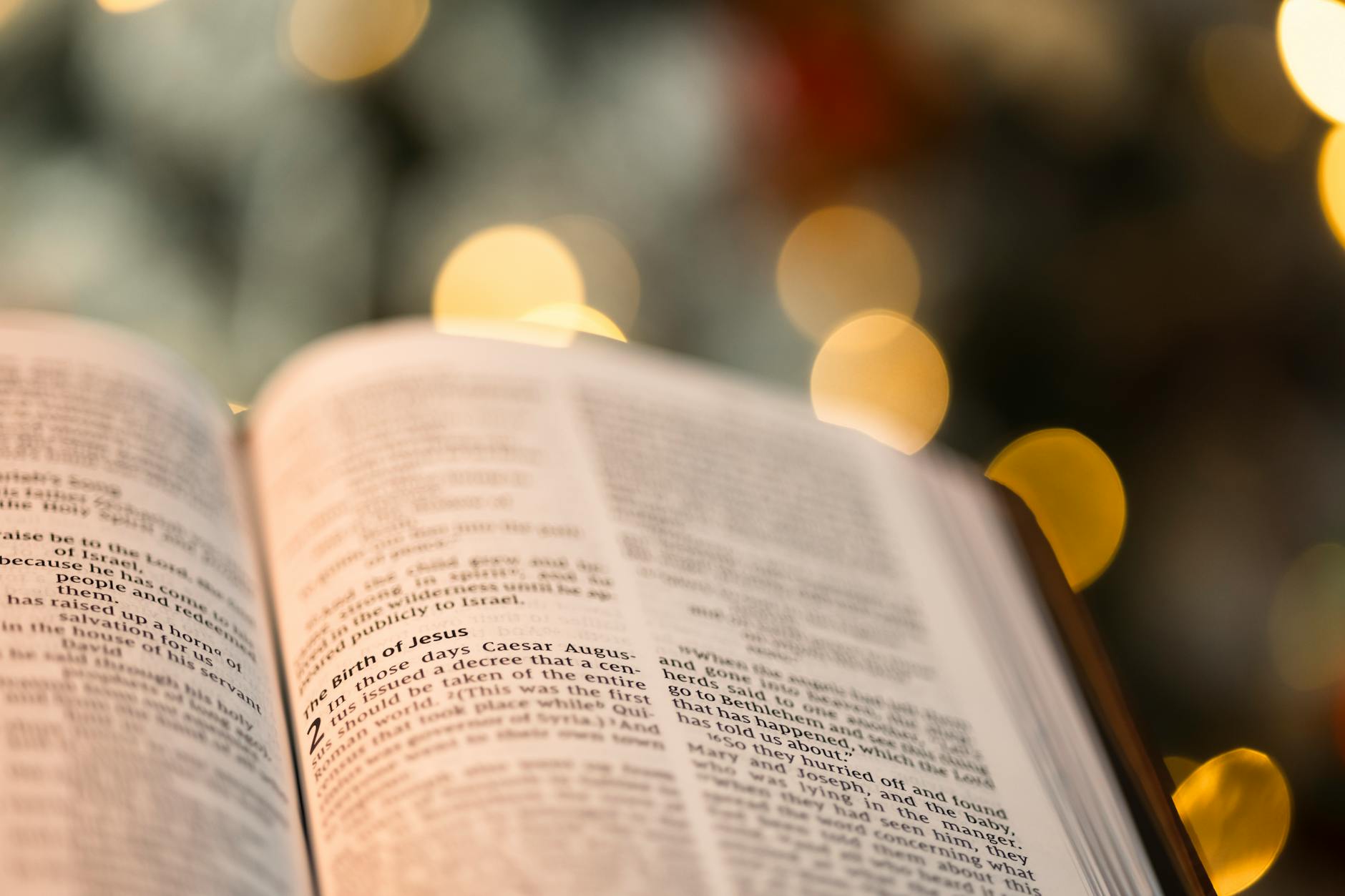
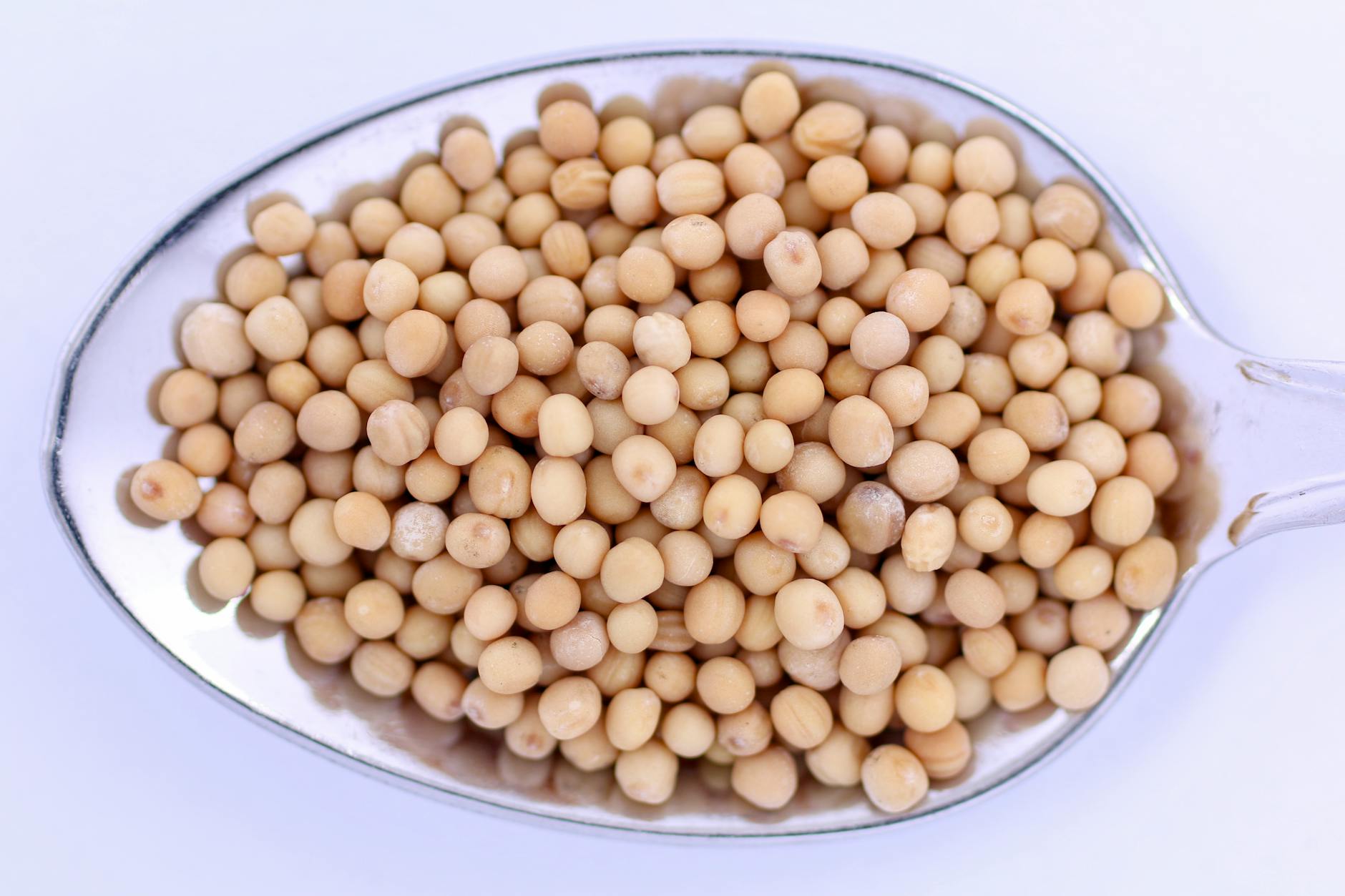
In , He doesn’t give us a parable about a mighty tree that casts a long shadow. He gives us a parable about a weed. (Yes, the mustard seed is often compared to a shrub, but the Greek word kasoperon is specifically used for the black mustard, a fast-growing, somewhat invasive plant that can get unruly. It’s not a stately oak. It’s a burst of green chaos.)
The Kingdom of Heaven is like a mustard seed, which a man took and sowed in his field. It is the smallest of all seeds, but when it has grown it is the greatest of vegetables and becomes a tree, so that the birds of the air come and make nests in its branches. (, ESV)
It’s late spring right now. The world outside is exploding with life. The grass is thick, the leaves are unfurling, and everything feels abundant. It’s easy to look at this green explosion and feel grateful. But it’s also easy to feel inadequate when you compare your current season to someone else’s "blooming" season. You feel like you’re stuck in the dirt. Small. Hidden. Irrelevant.
Jesus is telling you that your smallness is not a bug. It’s the feature.
The Problem: We Worship the Tree, Not the Seed
Here’s the hard truth: We don’t actually believe in the power of small beginnings. We believe in the power of big results.
We read the story of David and Goliath and cheer for the giant-slayer. We love the miracles where thousands are fed. We love the resurrection. But the mustard seed? That’s just a garden trick. That’s agricultural trivia.
So we wait. We wait for the big break. We wait for the promotion that validates our worth. We wait for the healing that proves God is listening. We wait for the "big enough" faith that moves mountains.
I’ll be honest, I’ve struggled with this too. There were years in my ministry where I felt like I was preaching to five people who mostly nodded politely. I looked at the big megachurches down the highway, with their stadiums and their marketing budgets, and I thought, God forgot us. Or maybe we’re just bad at this. I wanted the tree. I didn’t want the seed.
The problem is that we think the Kingdom is about expansion in the human sense. We think it’s about taking over. But the mustard seed isn’t big because it’s strong. It’s big because it’s alive and it’s unstopped.
And it starts with something so small you’d almost crush it if you weren’t careful.
The Promise: Life Hides in the Tiny
Jesus says the kingdom is like a seed. Not a stone. Not a brick. A seed.
A seed is a promise wrapped in a coat of armor. It looks dead when you hold it. It’s dry. It’s brown. It’s insignificant. But inside that tiny husk is a blueprint for a tree. It contains the potential for everything that will ever grow from it.
God doesn’t start with the finish line. He starts with the seed.
This is the promise that should steady your hands when the world feels chaotic. Your faith doesn’t need to be a roar to be effective. It just needs to be real. A tiny, genuine trust in God is more powerful than a loud, empty religiosity.
Think about it. When you plant a seed, you don’t stand there staring at it for an hour, demanding it grow. You put it in the dirt. You cover it. You wait. You trust the soil. You trust the rain. You trust the sun.
The mustard seed grows fast. It’s aggressive. It doesn’t ask permission to take up space. It just is.
And here’s the wild part: it becomes a tree so that the birds can nest in its branches.
Why birds? In the Old Testament, birds often represent the nations, the peoples, the outsiders. The mustard tree isn’t just growing for its own sake. It’s growing to provide shelter. It’s growing to host life.
The Kingdom isn’t about building a fortress where you hide from the world. It’s about becoming a sanctuary where the world can find rest. Your small act of kindness? That’s a branch. Your quiet prayer in the kitchen? That’s a leaf. Your willingness to forgive when it hurts? That’s the fruit.
You think you’re too small to matter. Jesus says you’re the canopy.
The Practice: How to Live Like a Seed
So, how do we actually live this out? How do we stop obsessing over size and start trusting the process of growth? It’s not enough to just nod along and say, "Yeah, small seeds are cool." We have to live it.
Here are three concrete ways to shift your perspective from "scale" to "spread" this week.
1. Stop Comparing Your Chapter 1 to Someone Else’s Chapter 20
We are terrible at this. We look at the "big trees" in our faith—pastors with big platforms, missionaries with big budgets, believers with big gifts—and we feel inadequate. We think, If I had their resources, I could do what they do.
But the mustard seed doesn’t care what the oak tree is doing. It just focuses on its own growth.
Your assignment isn’t to be big. Your assignment is to be faithful with what you’ve been given. And right now, what you’ve been given might look small. It might be five minutes of listening to your spouse. It might be one text message of encouragement. It might be showing up to the service when you’re tired.
Don’t despise the day of small beginnings. (, though often used for rebuilding the temple, applies to us too).
I used to read this verse and feel guilty because my ministry felt so small. But then I realized: God wasn’t asking me to be big. He was asking me to be present. The seed doesn’t shout. It doesn’t need a microphone. It just needs to be buried.
When you feel small, don’t try to inflate yourself. Don’t force a "big" ministry into your small week. Just let the seed do what seeds do. Grow quietly. Trust that God will add the increase. You plant. He grows. ().
2. Embrace the "Invasive" Nature of Love
The mustard plant is known for being a bit unruly. It can take over. It doesn’t play by the rules of a tidy garden bed.
In the same way, the Kingdom of God is supposed to be a bit disruptive. It’s not just about you getting to heaven one day. It’s about God’s rule breaking into your messy, chaotic, ordinary life right now.
When Jesus says the birds nest in the branches, He’s talking about hospitality. He’s talking about inclusion. The mustard seed doesn’t wait until it’s perfect to offer shelter. It offers shelter while it’s growing.
This week, practice "invasive" love. Don’t just love your friends. Love the weird neighbor. Love the difficult coworker. Love the people who don’t make your life easier.
It feels messy. It feels like it’s taking over your schedule. But that’s the Kingdom. It’s not a neat, controlled religion. It’s a wild, growing life that spills over its boundaries.
Ask yourself: Where is my faith too tidy? Where am I waiting to be "big enough" before I offer help?
Maybe you’re waiting until you’re richer to give. Waiting until you’re more spiritual to pray. Waiting until you have more time to serve.
Stop waiting. Be the mustard seed. Be a little bit invasive. Let your love take up space in a world that’s starving for it.
3. Trust the Darkness of the Dirt
This is the hardest part.
To grow, the seed has to go underground. It has to leave the safety of the hand that held it. It has to be buried in the dark.
We hate the dark. We hate the feeling of being unseen. We hate the seasons where nothing seems to be happening on the surface. We think God has abandoned us because we can’t see the fruit.
But the fruit doesn’t grow in the sun. The root grows in the dark. The strength comes from below.
When you’re going through a season of waiting—waiting for healing, waiting for provision, waiting for direction—remember the mustard seed. You’re not dead. You’re just rooting.
The dirt feels heavy. It feels like pressure. But that pressure is what cracks the shell. That pressure is what allows the sprout to push through.
I’ve been in the dirt more times than I’d like to admit. There were seasons where I felt buried by grief, or failure, or just the sheer weight of ordinary life. I thought I was done. But God was growing roots in the dark. And when the surface finally broke, what came up was stronger than it would have been if it had stayed in the light.
So, if you’re in the dirt right now, don’t panic. Don’t try to dig yourself out. Just trust that God is working in the unseen. The sprout is coming.
The Quiet Close
It’s late spring. The air is warm. The grass is green.
You don’t need to be the biggest tree in the forest. You don’t need to be the loudest voice in the room. You just need to be a seed.
Small. Hidden. Alive.
Trust the soil. Trust the rain. Trust the Gardener.
And when you’re ready, break through the dirt. Not for your glory. But so that others can find rest in your branches.
That’s the Kingdom. That’s the promise. That’s the practice.
And it’s enough.