Stress Less with Spiritual Healing

Stress is a fact of life, and we all experience it in one form or another. However, the way we handle stress can have a significant impact on our overall well-being. In this article, we'll explore the connection between spiritual healing and stress management, and offer some techniques for finding balance in your life.
Understanding the Role of Spiritual Healing in Stress Management
Many people turn to spiritual healing as a way to handle stress. After all, spiritual practices can help us find meaning and purpose, and experience calmness. When we're stressed, it can be easy to feel disconnected from our spiritual selves, and this can make it difficult to find the peace and stability we need.
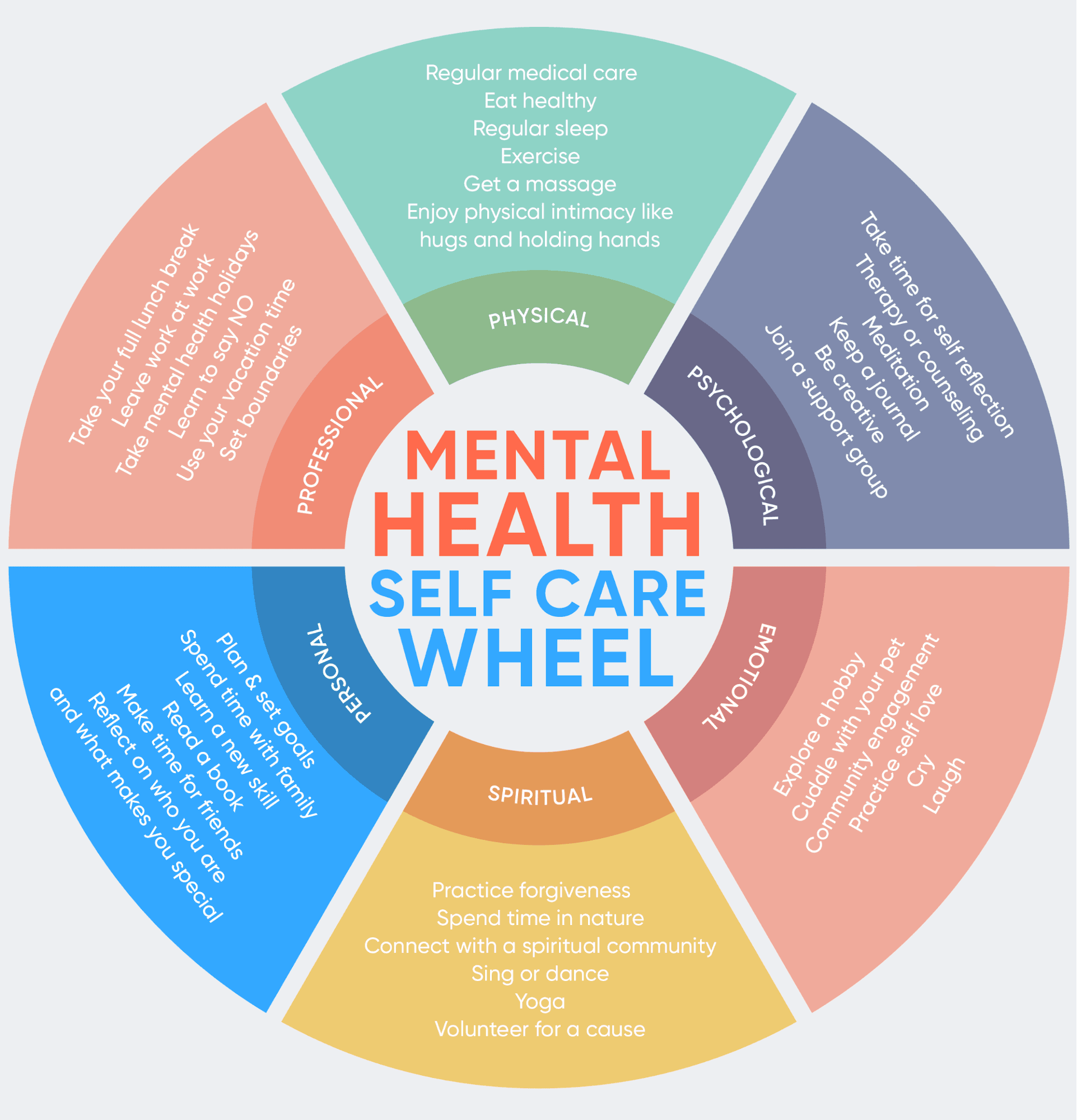
Spiritual healing can help us find a deeper sense of calm and clarity. By practicing spiritual healing techniques, we can reduce stress and improve our overall sense of well-being. Here are some methods you can try to bring spiritual healing to your daily routine:
Technique 1: Meditation
Meditation is a valuable resource for reducing stress and promoting inner calm. There are many different types of meditation, and the one that works for you will depend on your personal preferences and goals. Some popular forms of meditation include:
- Mindfulness meditation, which involves focusing on the present moment and practicing awareness of your emotions
- Guided meditation, where you follow a guided audio or visual meditation
- Mantra meditation, which uses a repeated word or phrase to help clear your mind
Meditation can be a great way to cultivate inner peace. As you start this practice, take things at your own pace. You'll need to experiment to find the right approach, but with consistent effort, you'll find what brings you comfort.
Technique 2: Prayer
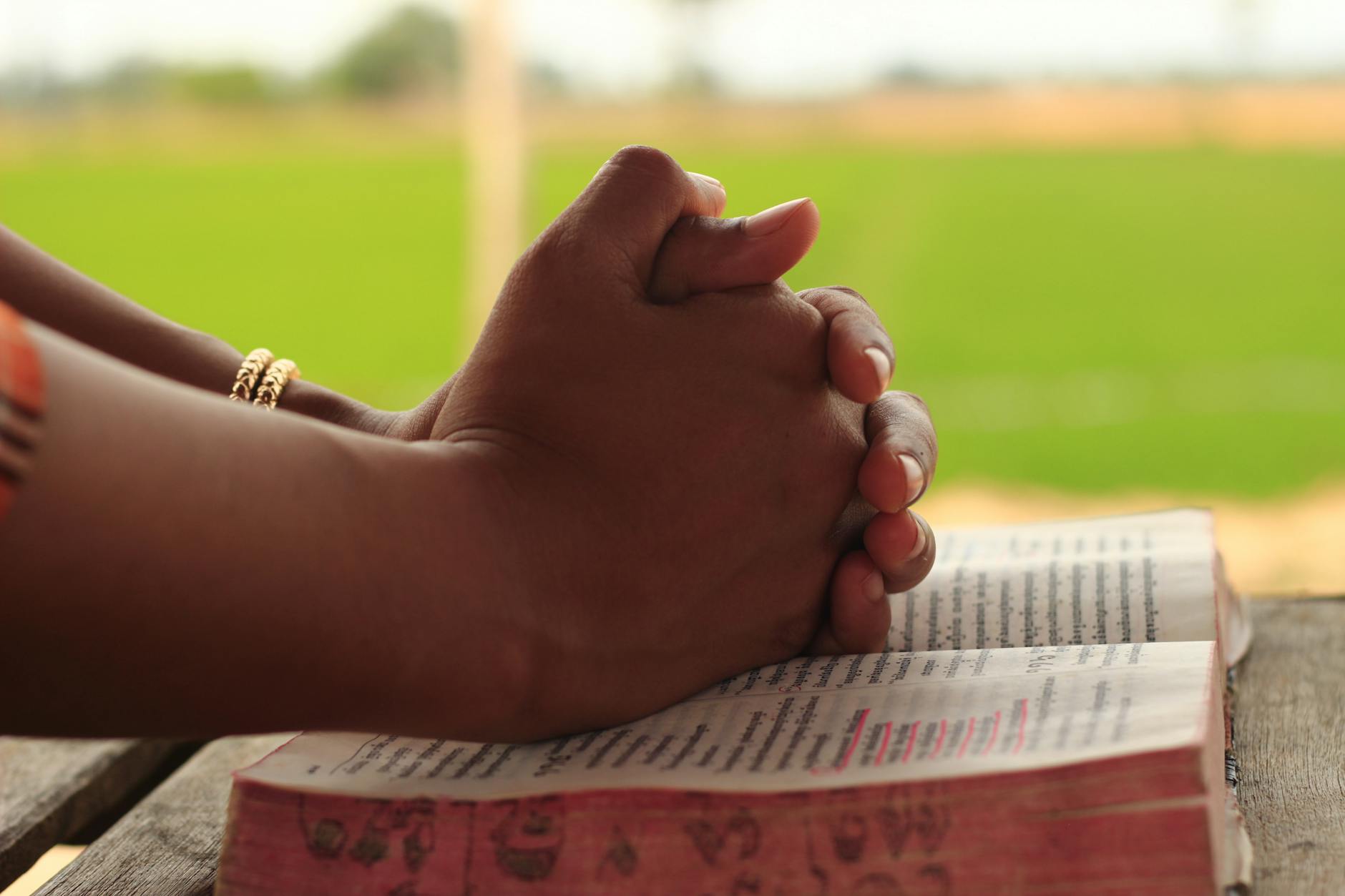
Prayer is another valuable tool for managing stress and finding peace. Whether you consider yourself a person of faith or not, prayer can be a source of solace. To make prayer a regular practice, try these steps:
- Find a quiet, comfortable space where you can be alone and undisturbed
- Close your eyes, take a deep breath, and calm your mind
- Ask for guidance and clarity during challenging times
- Seek help in dealing with difficult situations
- Reflect on your actions and seek forgiveness when needed
- Explore your sense of purpose and meaning
- Cultivate connection with the world around you
- Practice gratitude for your blessings
Prayer can provide comfort in chaotic times. As you practice prayer, be patient and compassionate towards yourself. With dedication and persistence, you'll develop a practice that brings you peace of mind.
Technique 3: Journaling
Journaling is a helpful method for managing stress and gaining clarity. By writing down your thoughts and emotions, you can process them and gain a deeper understanding of yourself. For a journaling practice, consider the following:
- Find a quiet, comfortable space where you can reflect without distraction
- Take a few deep breaths to center yourself
- Write down your thoughts and emotions as they arise
- Reflect on your experiences, looking for patterns and insights
- Record any insights or realizations that come to you
- Set goals and intentions for personal growth
- Practice gratitude by writing down things you appreciate
Journaling can be a valuable tool for processing emotions and gaining insight. Be kind to yourself as you develop this habit. It may require some trial and error to find a journaling approach that suits you, but the effort will be worth it.
Technique 4: Exercise
Exercise is a valuable activity for reducing stress and improving your mood. Physical activity can help release endorphins, which can boost your mood and energy levels. To incorporate exercise, try these suggestions:
- Discover a form of exercise that you enjoy and that fits your lifestyle
- Establish a regular exercise schedule and stick to it
- Prioritize physical activity as an essential aspect of self-care
- Find a workout partner or join a group fitness class for motivation
- Incorporate physical activity during your daily commute or lunch break
- Make exercise a fun, social experience by joining a recreational sports team or going on a group hike
Exercise has a direct impact on both body and mind. As you begin, ease into the routine and give yourself time to adjust. Finding the right exercise routine might take some experimentation, but the benefits will be significant.
Conclusion
Spiritual healing and stress management are closely linked. By incorporating spiritual healing practices, you can find peace and stability. Whether you consider yourself a person of faith or not, there are many methods you can try, from meditation to prayer to journaling to exercise. Treat yourself with kindness as you explore these practices. Over time, you will develop a technique that brings you comfort and fulfillment.
Remember, prioritizing your spiritual well-being is crucial for living a more balanced daily life. By making spiritual healing a regular practice, you can cultivate inner stability. Take your time, and don't be afraid to try new things – you'll find what resonates with you and helps you navigate life's challenges.
As you journey through life, remember that spiritual healing is a personal and ongoing process. Approach it with compassion and patience. Through persistence and an open heart, you will find peace and fulfillment that will stay with you throughout your journey.