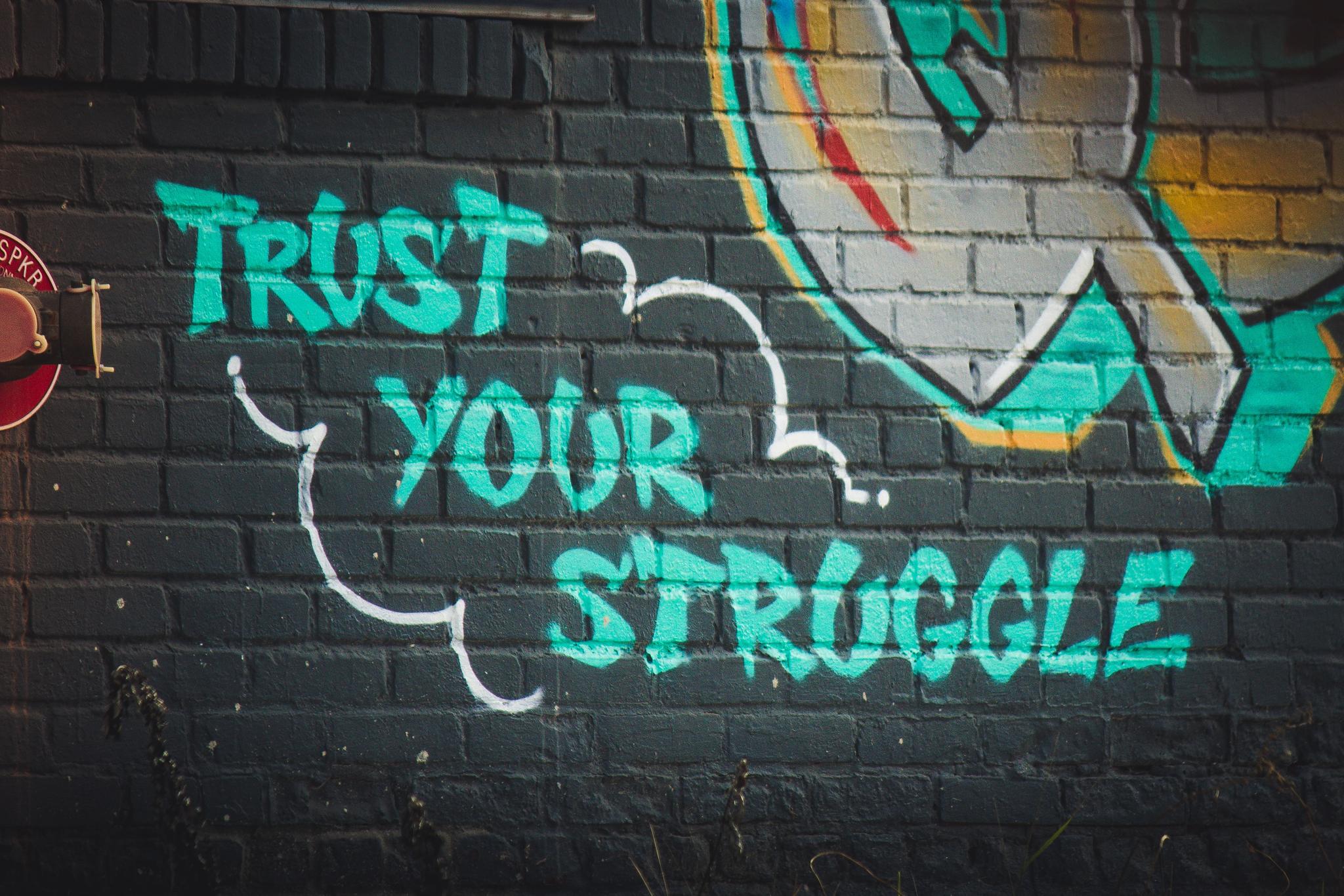
Perhaps you’re feeling lost or maybe your life seems like is lacking direction specially during this confusing and challenging times. No one goes through life without discovering that the journey is not easy. There are ups and downs, bumps and detours that can bring our joy to an end. Whatever life throws at us, we’ll get through it. It may not be painless, it may not be quick. But know that God will use this mess for good. In the meantime, don’t be foolish or naive. But don’t despair either. Be cautious, have faith and be thankful for all the good things you have and work towards making it better. With God’s help, you will get through this.
You intended to harm me, but God intended it for good to accomplish what is now being done, the saving of many lives.
Maintain trust in God even during hard times for he will deliver us from harm and strengthen our faith.
Turn to God and your community. Don’t face any crisis alone. Instead, follow the advice in : “Carry each other’s burdens, and in this way you will fulfill the law of Christ.” Surround yourself with wise, positive and supporting people. Seek God’s presence through reading the Bible and spending time in prayer. Spread hope.
Finding Strength in Surrender
As we navigate life's ups and downs, it's easy to get caught up in trying to control every outcome. We may feel like we need to have all the answers, to be strong for ourselves and others, and to push through challenges on our own. But what if, instead of trying to control, we learned to surrender? Surrender doesn't mean giving up or being weak; it means acknowledging that there is a power greater than us at work in our lives. It's about trusting that God is good, that He is for us, and that He is working all things together for our good ().
In surrender, we find freedom from the weight of responsibility and the pressure to perform. We can let go of our need to control and instead, learn to trust in God's sovereignty. This can be especially hard when we're facing crisis or uncertainty, but it's precisely in those moments that surrender can be most powerful. As we surrender to God, we open ourselves up to His guidance, comfort, and strength. We can pray, "Lord, I don't know what to do, but I trust You. Help me to surrender to Your will and to find peace in Your presence." And as we do, we may find that He gives us a sense of calm, a word of wisdom, or a door of opportunity that we hadn't seen before.
Practicing surrender doesn't mean we're passive or inactive; it means we're active in our trust and faith. We're choosing to align ourselves with God's will and to seek His guidance and wisdom. As reminds us, "Bear one another's burdens, and thereby fulfill the law of Christ." In surrender, we can bear our burdens together, supporting one another and finding strength in our shared faith. So, take a deep breath, let go of your need to control, and trust that God is working in your life. You are not alone, and He is always with you, guiding and strengthening you for the journey ahead.
Gratitude in Turbulent Times
In the midst of life's storms, it's easy to get caught up in worry and fear. But what if we told you that there's a powerful antidote to anxiety and uncertainty? Focusing on what we're thankful for can help shift our focus from what's lacking to what we already have. The Bible encourages us to "give thanks in all circumstances; for this is the will of God in Christ Jesus for you" (). This verse isn't suggesting that we only give thanks for good things; rather, it invites us to trust that God's presence is with us in every situation, even the difficult ones.
So, how can you make gratitude a part of your daily life? Start small. Take a few minutes each day to write down three things you're thankful for. It might be something as simple as a good cup of coffee, a beautiful sunset, or a supportive friend. As you reflect on these blessings, ask God to help you see your circumstances through a lens of gratitude. You might be surprised at how this practice can transform your perspective and give you the strength to face challenges with hope and confidence.
As you seek to integrate gratitude into your daily life, remember that it's not about ignoring pain or difficulty; it's about choosing to focus on the good that's already present. The Psalmist writes, "Enter his gates with thanksgiving, and his courts with praise! Give thanks to him; bless his name!" (). By doing so, you'll not only deepen your relationship with God but also discover a sense of peace and contentment that can carry you through even the most turbulent times, with His love and care surrounding you.