Death didn’t lose to Jesus in a fair fight; it was evicted from a property it never owned.
We tend to treat the Resurrection like a historical footnote. It happened. We believe it. Case closed. But if you stop there, you’re treating a victory banner like a napkin. You fold it up, put it in a drawer, and forget about it until Easter Sunday.
The Resurrection isn’t just a promise of what happens after you die. It’s a constraint on how you live before you do. And right now, with the leaves turning and the air getting crisp, that feels particularly urgent. Autumn is the season of letting go. We watch the trees strip themselves bare. It’s a time of surrender. It’s the perfect backdrop for realizing that our biggest struggle isn’t about the future—it’s about the present. We are still acting like we’re the masters of our own fate, even though the Master has already risen.
The Stone Rolled Away Inward
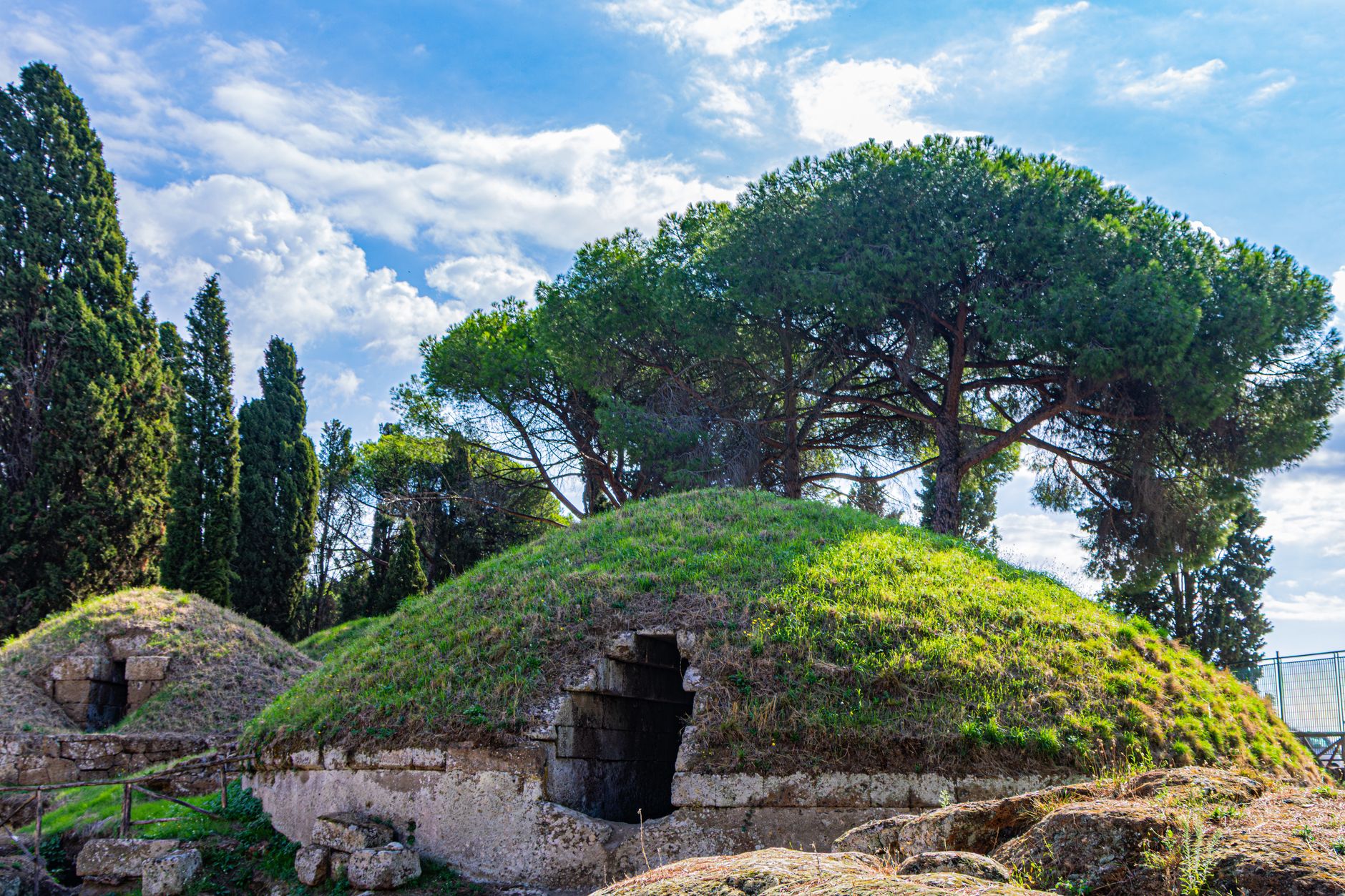
Let’s look at the mechanics of the event. We usually imagine the stone being rolled away so the disciples could get in, or so Jesus could get out. But consider the geometry. If the stone was rolled away to let Jesus out, He would have had to crawl out first, then roll the massive rock behind Him. That makes Him look like a man escaping a jail cell. A fugitive.
But many scholars and early church fathers suggest the barrier was moved from the inside. Or rather, the power that shifted it was the same power that sustained it. Think about it. If the rock was moved by human hands, it implies the disciples knew exactly when to show up. They had a schedule. “Oh, it’s 9 AM, time to check the tomb.” That makes their faith look convenient.
The reality is humbling. Jesus emerged from death not because the obstacle was removed for Him, but because He was no longer bound by it. The stone is a symbol of the world’s logic: there is a wall, and you need a key. The Resurrection says: the wall was always a suggestion.
This changes everything about how we view our own struggles. When you’re facing a health diagnosis, a career collapse, or a relationship breakdown, you’re not staring at a wall. You’re staring at a door that’s already unlocked. The problem isn’t the lock; it’s your hands. You’re gripping the handle so hard your knuckles are white, waiting for permission to turn.
From Victim to Victor
Consider the transformation of the disciples. Before the tomb, they were hiding. They trembled before the Jewish leaders. They shrank from the Romans. They feared one another. Peter had denied Jesus three times. John had run away. Thomas had doubted. They were a group of terrified, broken men sitting in a locked upper room.
After the tomb? They went out into the streets. They stood in the temple courts and preached that this Jesus was Lord. They did this while the very authorities who had killed Jesus were watching. Did they hide? No. Why? Because they had seen the face of the living God, and fear had lost its legal standing.
This is the shift we need to make in our own lives. We often stay in the "upper room" of our minds. We analyze our problems. We worry. We plan. We hide behind our intellect. But the Resurrection calls us out into the public square of our lives. It says, "Stop hiding in your potential. Start acting in your reality."
It’s not about pretending you aren’t scared. You probably are. But it’s about refusing to let the fear make the decision for you. It’s about walking forward, not because you’re certain the ground is solid, but because you know the One who holds the ground is awake.
The Autumn of Our Lives
There’s a reason this hits differently in the fall. Spring is for new beginnings. Summer is for growth and abundance. But autumn? Autumn is for the harvest. And for the stripping away.
In the garden, the gardener knows that the most beautiful flowers come from the plant that has survived the cold. The plant doesn’t waste energy trying to bloom in December. It pulls its nutrients back into the roots. It surrenders its leaves. It trusts the soil.
We are often trying to bloom in the dead of winter. We’re forcing ourselves to produce when we should be resting. We’re trying to hold onto our leaves when the wind is telling us to let go. The Resurrection reminds us that the root is alive. Even if the branch looks dead, the root is connected to the Source. And the Source is risen.
So, as the year turns, ask yourself: What am I holding onto that I need to let go of? What am I hiding from? And am I living like I’ve already won, or am I living like I’m still in the fight?
The fight is over. The battle is won. The only question left is whether you’re brave enough to act like it.
Resting in the Rupture
I’ll be honest. There are days when the weight of "living like a victor" feels exhausting. Sometimes I just want to sit in the mess. Sometimes I want to admit that the stone still looks heavy. That the door is still narrow. That I have to squeeze through.
And maybe that’s okay. Maybe the victory isn’t about the absence of struggle. It’s about the presence of power. It’s about knowing that even when you’re squeezing through the narrow place, you’re not trapped. You’re passing through. And the other side is open.
The Resurrection ruptured the timeline. It broke the sequence of Birth, Life, Death. It inserted a fourth beat: Life, Life, Death, Life. That extra beat changes the rhythm of existence. It means that death is no longer the period at the end of the sentence. It’s just a comma. A pause. A breath.
And that breath? That’s where the hope lives. Not in the past, when it happened. Not in the future, when it will be fulfilled. But in the present, in the gap between the breaths, in the space where the stone is moving.
So, take a breath. Let it go. And step out of the tomb. The light is bright, but it’s yours. And it’s waiting.