Have you ever stood on a threshold, looking out into a fog so thick you couldn’t tell if you were facing a cliff or a meadow?
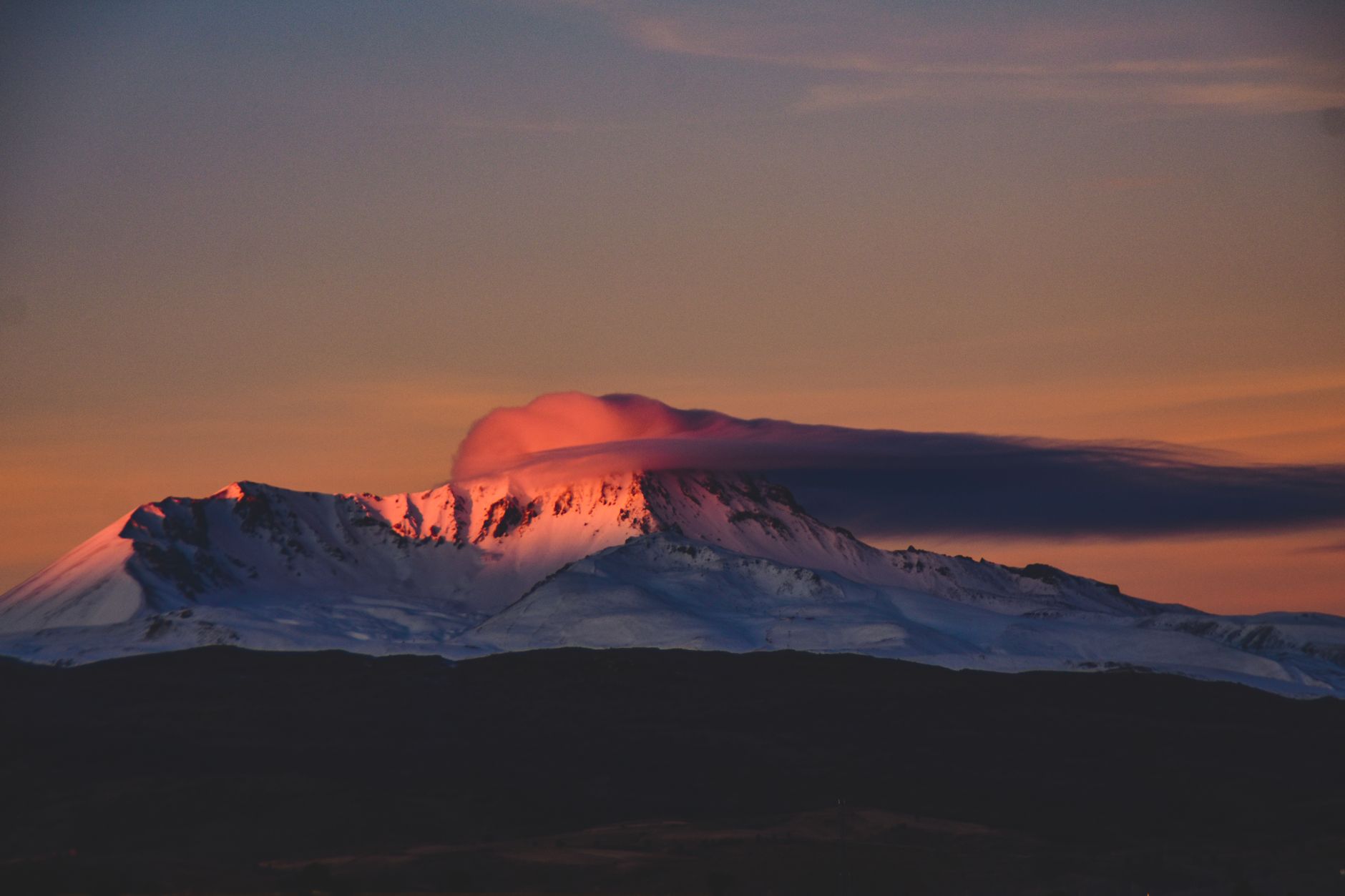
That is the feeling Peter, James, and John had when they climbed Mount Tabor. It is also the feeling many of us carry as the leaves turn brown and the year begins to slip away. We are in the middle of nowhere, spiritually speaking. We have left the noise of the city, but we haven’t yet found the silence of home.
The Transfiguration is often treated like a highlight reel. Flashy. Bright. A bit confusing. But if we strip away the spectacle, it is actually a lesson about endurance. It is about what happens when our faith stops being a theory and starts being a view.
Let’s walk up the mountain together, step by step.
The Weight Before the Light
Before Jesus’ face shone, He was weary. Before the clothes turned white, they were likely dusty from the road. This context matters. The Transfiguration didn’t happen in a vacuum; it happened in the middle of a journey toward Jerusalem, which meant the journey toward the Cross.
Think of it like this: imagine you’re running a marathon. You’re at mile 20. Your legs are burning. You’re doubting everything. Then, suddenly, someone hands you a cold glass of water. You don’t just drink it; you see it. The ice cubes look like diamonds. The condensation looks like stars.
That’s what happened on Tabor. The disciples saw Jesus not as a tired rabbi, but as the Son of God. And they didn’t see Him alone. Moses and Elijah appeared.
Why those two?
Moses represents the Law. Elijah represents the Prophets. Together, they represent the entire Old Testament witness to Christ. In that moment, the whole history of Israel’s faith collapsed into one person. Jesus wasn’t just fulfilling the Law; He was the Law-giver. He wasn’t just listening to the Prophets; He was the Voice they shouted about.
For the three apostles, this was a shock to the system. They knew Jesus as "Rabbi." Now they were seeing "Lord." The gap between what they knew and what they were seeing was vast. It was overwhelming.
And then, the cloud came.
Dwelling in the Darkness
This is where it gets tricky. In many cultures, clouds mean rain. Bad weather. Obstruction. On Tabor, the cloud was a dwelling place. It was the Shekinah glory, the presence of God.
The disciples fell to the ground. Face down.
Why? Because the light was too bright to look at, and the darkness of the cloud was too heavy to stand in. They were caught in between. They were in awe, but they were also terrified.
Peter, who is usually the first to speak, finally got a word out. He looked around. He was trying to orient himself. He wished to build three tents. One for Jesus, one for Moses, one for Elijah.
Here is the problem with Peter’s plan: he sought to stay. He wished to preserve the moment. He tried to capture the glory and keep it safe in a tent. He hoped to make sure this high didn’t come down.
He didn’t understand what he was seeing. He was treating a revelation as a resource.
God’s voice cut through the confusion. It was simple. Direct.
— “Then a cloud overshadowed them, and a voice said, ‘This is My beloved Son, in whom I am well pleased.’”
This is the anchor. This is the truth that holds the storm together.
Notice what the voice did not say. It didn’t say, "Keep these three men in the dark forever." It didn’t say, "Build a temple here on the mountain." It identified Jesus. It centered the relationship between the Father and the Son.
And then? The cloud lifted. The light faded. The noise returned.
When Peter, James, and John opened their eyes, Jesus was there. Just Jesus. No Moses. No Elijah. No blinding white glow. Just a man.
They descended the mountain. They returned to the crowds. They reverted to the doubts. They retreated to the fear of the Cross.
The glory was real, but it wasn’t permanent. The lesson wasn’t "Stay on the mountain." The lesson was "Go back down, but know who He is."
From Tabor to Tuesday
So, how does this apply to your life this week? How do you move from the "Mountain Moment" to the "Monday Morning"?
First, recognize that the mist is part of the process.
We often pray for clarity. We want the fog to lift. We wish to perceive the route clearly. But sometimes, that lack of visibility is not a sign of abandonment; it’s a sign of intimacy. You are close to God. You are in the presence. You don’t have to map out every step to trust the Guide.
Second, stop trying to "Tent" the Glory.
Peter’s mistake is a common one. We try to hold onto the highs. We replay the worship service in our heads all week. We try to manufacture the excitement of a spiritual retreat. We build mental tents around our favorite moments and live inside them, waiting for the wind to pick up again.
But the Transfiguration teaches us that the glory is not meant to be stored. It is meant to be witnessed. You saw it. You know who He is. Now, go live in that knowledge.
Third, let the "Face" shine through the "Dust."
The most powerful image in the Transfiguration is not the white clothes. It is the face. Jesus’ face was like lightning. His eyes were like fire.
Why? Because that is where the identity lives. The clothes are the role. The face is the self.
In our own lives, we often hide behind our roles. The parent. The employee. The volunteer. We polish the clothes. We make sure the uniform looks right. But we forget to let the face show. We forget that the light is coming from within, not from the fabric.
This week, ask yourself: Where am I polishing the clothes instead of letting the face shine?
Maybe it’s your job. You’re so focused on the deliverables (the clothes) that you’ve lost sight of the purpose (the face).
Maybe it’s your marriage. You’re so focused on the duties (the clothes) that you’ve lost sight of the love (the face).
The Transfiguration reminds us that the light doesn’t come from the outside. It comes from the inside. It is revealed when the dust settles.
A Quiet Return
Let’s go back to that threshold. That fog.
You are standing there. You can’t perceive the path ahead. You are afraid. You are tired.
But here is the secret the disciples learned on Tabor: You don’t need a clear view of the road to know where you’re going. You don’t need to visualize the future to trust the Provider.
The mist is not a wall. It is a veil. And behind that veil, there is Light.
So, take a breath. Let your shoulders drop. Look up.
Even if you can’t perceive anything but gray, know this: The Sun is still shining. It’s just hidden for a moment.
And when you get back down the mountain—when you return to your kitchen counter, your office chair, your bedside table—you won’t be the same. You’ll carry a little bit of that light with you. Not a blazing torch, but a steady candle.
Enough to see by. Enough to warm you. Enough to remind you, in the quietest moments, that you are not walking alone.
The year is turning. The leaves are falling. But the roots are holding.
Trust the season. Trust the Guide.
And when the fog lifts—and it will lift—you’ll realize you were never lost. You were just being led.