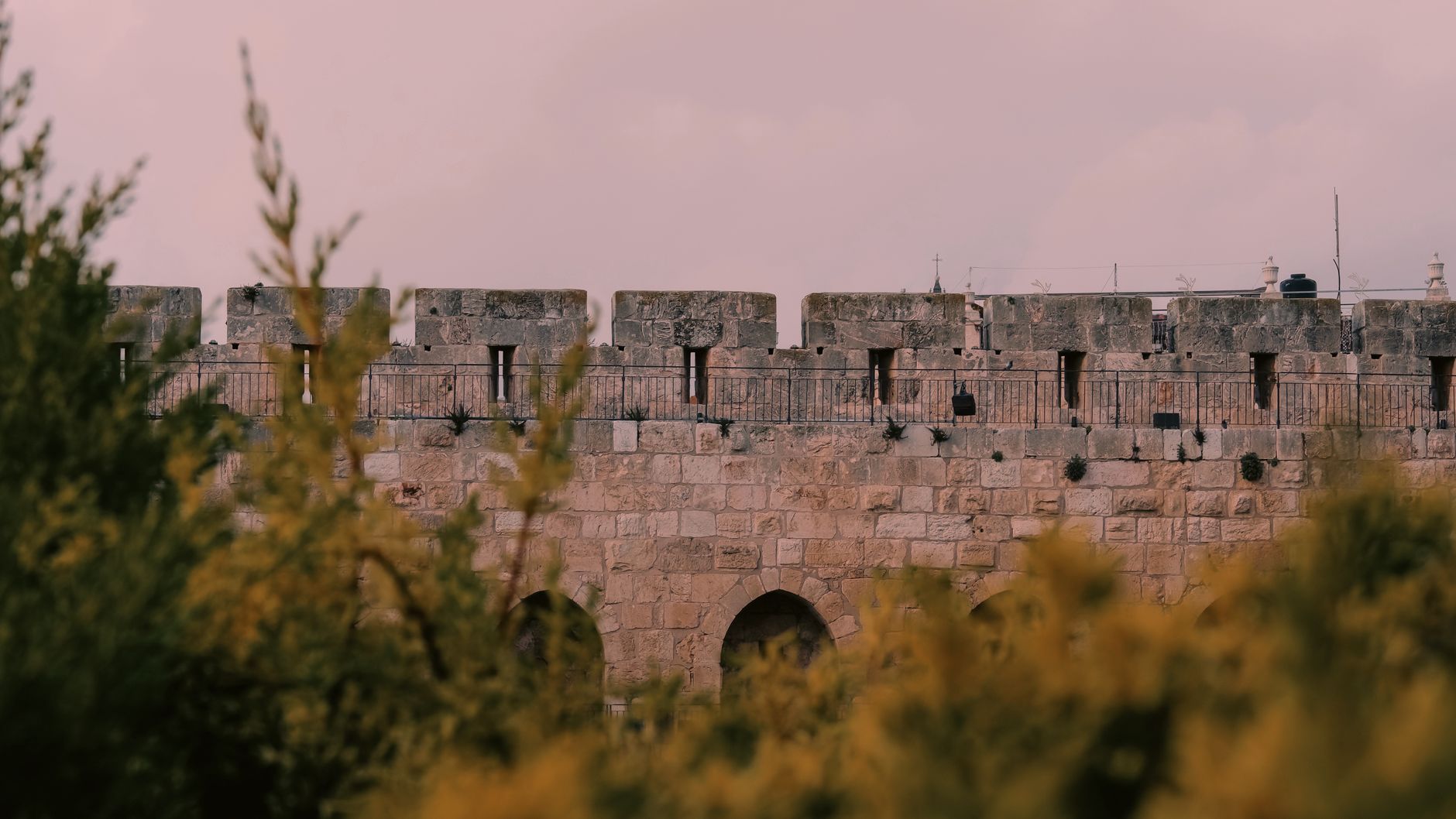
The dust on the walls of Jericho was thick enough to choke you. It clung to your clothes, settled in the creases of your eyelids, and tasted metallic on your tongue. For seven days, the people of Israel marched in silence around these crumbling mud-brick walls. No shouting. No swords drawn. Just the rhythmic thud of sandals on hot stone and a single, low trumpet blast that echoed off the cliffs.
It makes no sense. Military logic says to attack at dawn, flank the enemy, and break through while they’re still groggy from sleep. But God didn’t want a battle plan. He wanted obedience.
We often read Joshua 6 as a story about victory. We fixate on the walls falling because they were weak, or because God was strong. And yes, both are true. But if you’ve ever stood in the middle of a waiting period that feels like it’s draining your life away, you know there’s another layer here. It’s not just about the city. It’s about what happens to you while you wait for God to move.
The Architecture of Waiting
Let’s look closer at the command. outlines the routine with almost bureaucratic precision:
"Command the soldiers, saying to them, 'Pass around the city once and do so.' And when you have gone around it seven times... blow the trumpet for a long blast."
Seven days. One lap per day. Silence six times. A shout on the seventh.
I’ll be honest, I used to read this verse and feel a bit of frustration on Joshua’s behalf. Imagine the pressure. You’re the general. Your whole nation is watching you. You have a city with towering walls and a reputation for stubbornness in front of you, and your boss says, "Okay, walk around it. Don’t speak. Just walk."
It’s a bit like being told to meditate on your deepest anxiety for an hour without trying to fix it. It’s uncomfortable. It’s quiet. And it requires a terrifying amount of trust that the silence isn’t empty.
This is where our modern impatience collides with biblical patience. We live in a culture of instant gratification. If the email doesn’t answer, we send another. If the prayer isn’t answered by Tuesday, we start wondering if God is asleep. We treat faith like a vending machine: insert coin (prayer), press button (faith), receive snack (answer). If the snack doesn’t drop, we assume the machine is broken.
But Jericho wasn’t a vending machine. It was an oven. The heat of the summer sun beating down on that city, the dry air cracking the mud bricks, the sheer physical exhaustion of marching—this was God working on us while He worked on the city.
There is a deep theology in that silence. It suggests that God’s timing often involves preparation, not just performance. The walls didn’t fall because the trumpet was loud; they fell because the ground beneath them had been shaking in anticipation for a week. The silence was active. It was building pressure.
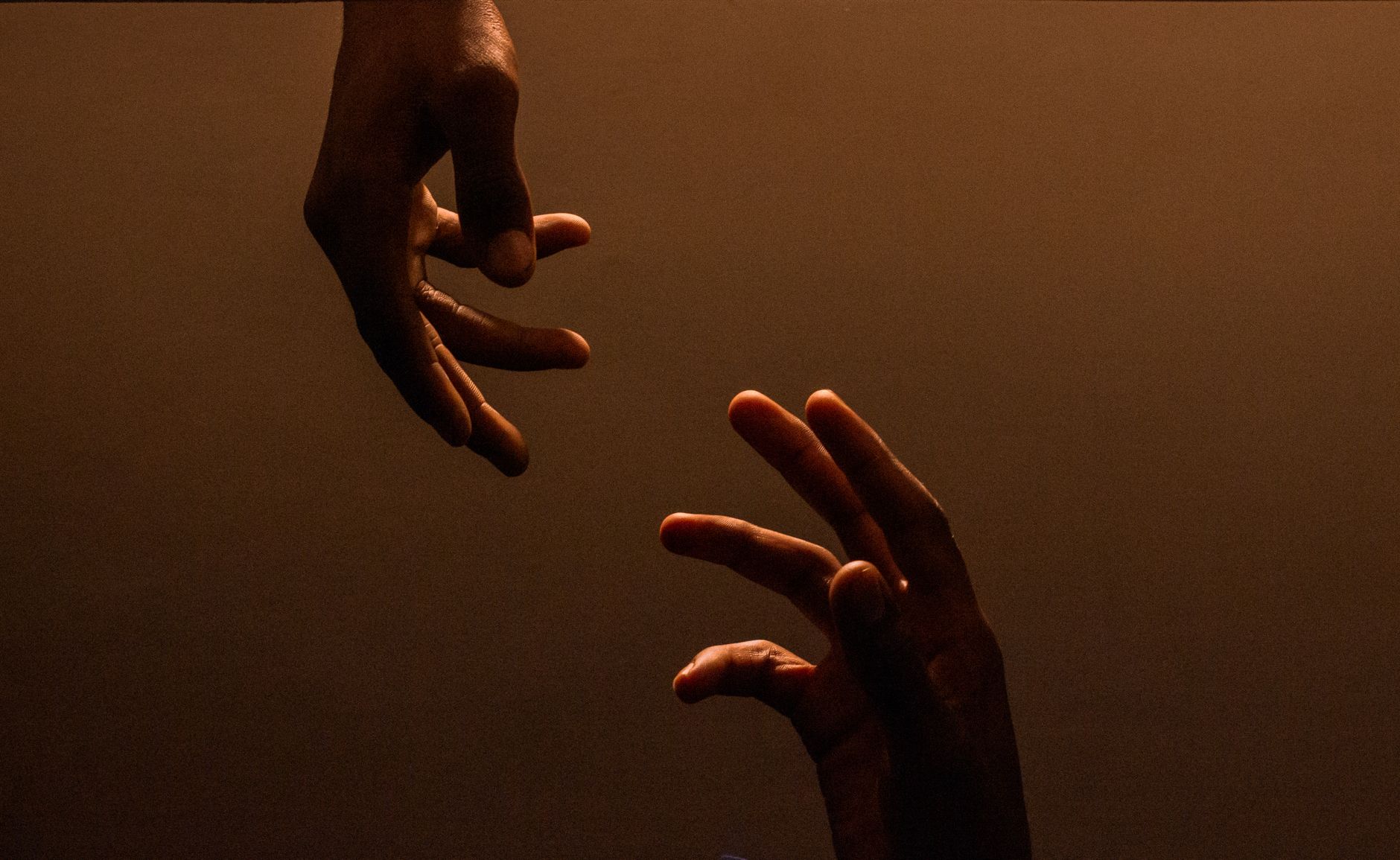
Think about your own life right now. Is there a "Jericho" in front of you? A relationship that won’t heal, a job that fails to change, a health issue refusing to resolve? You might be marching around it daily, blowing the trumpet in your heart every night, and feeling like absolutely nothing is happening.
The temptation is to pick up a sword. To stop the ritual and just do something. To force the issue. But warns us about what happens when we break the pattern:
"But on the seventh day, you shall march around the city seven times and blow the trumpet."
God didn’t say "march until you get tired, then run at them." He said until the seventh day. There is a specific window for His power to release. If you rush in early, you miss the resonance. You turn a miracle into a skirmish.
The Sound of Surrender
Here is the thing about silence that we often miss: it’s not passive. In a noisy room, when everyone stops talking to listen for the trumpet, that silence is loud. It’s heavy. It demands attention.
When Israel marched in silence for six days, they were practicing a form of surrender that is harder than any physical battle. They had to trust that their strength wasn't in their swords, but in the One who commanded them. They had to let go of the need to control the outcome through volume and violence.
I’ve struggled with this. I’m not naturally a silent person. When I’m stressed, I talk. I plan. I problem-solve out loud. I try to fix things by analyzing them into submission. So when life hands me a problem that requires trust rather than strategy, I feel like I’m walking on eggshells.
There was a season in my life, maybe two years ago, where I felt exactly like the Israelites under the walls of Jericho. I was praying for a specific outcome—a career shift that would align with my calling. And for months, nothing happened. The applications went out. The rejections came in. The silence was deafening.
I wanted to scream at the walls. I wanted to take a sledgehammer to my resume and throw it against the door of my current job. I wanted to make noise because the silence felt like rejection.
But one evening, sitting in my kitchen with a cold cup of coffee, I realized I was trying to fight the silence. I was treating God’s pause as a mistake. And that realization shifted something inside me. I stopped trying to "fix" the wait. I just... watched it. I let the weight of the waiting sit on my shoulders without trying to lift it off prematurely.
It wasn’t a magical fix. The wait didn’t end that night. But the quality of my waiting changed. It went from anxious pacing to steady marching.
The Walls Fall (But Not How You Think)
When the seventh day came, the people shouted. And the walls fell down flat. records it simply:
"When they heard the sound of the trumpet, and all the people let out a loud shout, then the wall collapsed; so everybody charged straight in, and they took the city."
The Hebrew word for "collapsed" is nāphal. It’s the same word used when Adam sinned, or when Goliath fell. It implies a total defeat of the structure. The walls didn’t crumble slowly; they came down flat. They became part of the ground.
This is a powerful image for personal growth. The "walls" in our lives—our pride, our fear, our rigid control structures—are often designed to protect us. We build them up because we think they keep us safe. But God’s power often has to tear them down so that we can walk through the rubble.
The city of Jericho represented a stronghold. In our lives, strongholds are usually self-protective mechanisms. The wall is the part of you that says, "I can handle this without help." It’s the ego that refuses to be vulnerable. It’s the habit you can’t break because it feels like identity.
God doesn’t just patch these walls. He brings them down flat so that you can no longer hide behind them. And yes, it’s messy. Walking through a collapsed wall is not as clean as walking through an open gate. You have to step over debris. You have to face the ruins of your old self-protection mechanisms.
But on the other side? There is a city that belongs to you now. A space that was once inaccessible, now open for new life. The flat ground of Jericho is fertile ground for what comes next, but you have to be willing to walk on it.
Walking Through the Rubble
So what does this look like on a Tuesday morning? Or in a hospital waiting room?
It looks like letting go of the need for an immediate answer. It means recognizing that your anxiety is often just the sound of your own ego trying to build a wall before God has finished His work.
Practically, this means changing how you pray during the wait. Instead of pleading, "God, fix this now," try praying, "God, I trust Your process. I will keep marching. I will stay silent where You ask me to be silent."
It means identifying your "walls." What are you holding onto that God might need to bring down? Is it a relationship you’re clinging to out of fear? A career path you’re forcing into shape? A version of your identity that no longer serves the Spirit within you?
Be honest with yourself. The walls fall when we stop trying to prop them up with our own strength.
And here is the crucial part: when the walls do fall, you don’t get to stay in the rubble. You have to walk through it. You have to take the city. That means stepping into the new season, even if it feels chaotic and unstructured at first. The flat ground of Jericho is fertile ground for what comes next, but you have to be willing to walk on it.
The Echo Across Generations
There is something beautiful about how this story echoes through the rest of Scripture. The fall of Jericho wasn’t an isolated event; it was the first victory in a long campaign. It set the precedent that God’s power is released through faithful, obedient waiting.
This truth ripples out beyond Joshua. We see it in the life of Jesus, who waited forty days in the wilderness before His public ministry. We see it in the early church, waiting for the Holy Spirit at Pentecost before they could go out and change the world. We see it in every believer who has ever sat in a quiet room, trusting that God was working behind the scenes.
We are all, in some way, marching around our own Jericho. We all have walls we are trying to breach with our own strength, only to find that God wants us to wait for the trumpet.
The autumn light is getting shorter now. The leaves are turning, reminding us that growth often looks a lot like letting go. It’s a season of surrender. And if you’re in the middle of your own seven-day march right now, know this: you are not forgotten. You are not stalled. You are being prepared.
The walls may still be standing today. But keep marching. Keep trusting. The trumpet is coming. And when it blows, the ground beneath your struggle will shake loose, and you’ll finally be able to walk through.