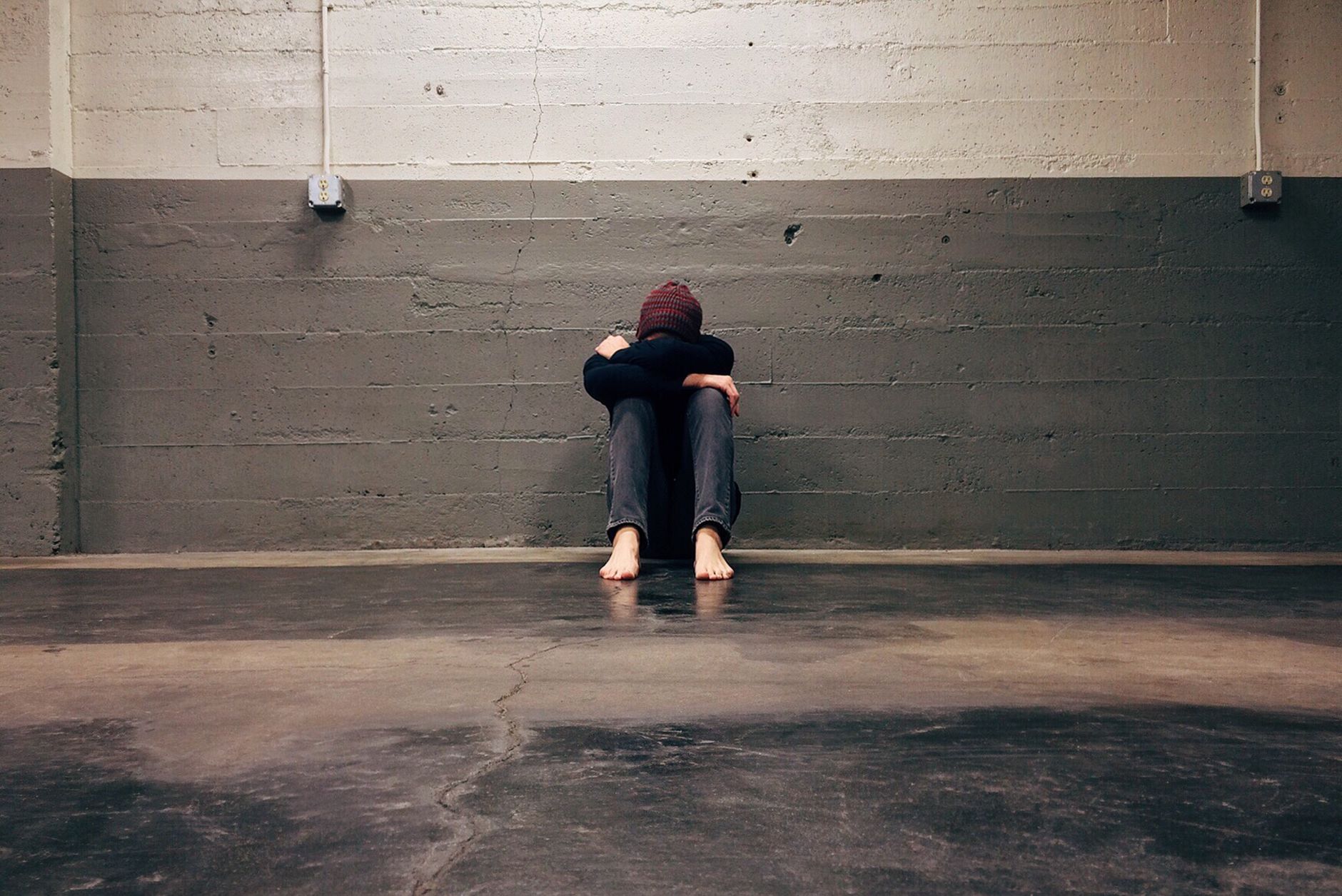
What if the most spiritual thing you did this week wasn’t praying, reading Scripture, or serving at church? What if it was doing absolutely nothing?
I remember sitting in my car in the driveway after a particularly grueling Tuesday. It was July, and the heat radiating off the asphalt was enough to make your skin prickle. The house was quiet. My kids were inside, the dog was asleep on the rug, and I had thirty minutes before I had to go in and pretend I had energy for dinner. But I didn’t move. I just sat there, gripping the steering wheel, staring at the garage door. I wasn’t meditating. I wasn’t planning. I was just… existing. And in that stillness, the noise in my head finally settled enough to hear a whisper that had been drowned out by the to-do list all week. You are mine. You don’t have to earn your rest.
We live in a culture that worships the idol of productivity. It’s not just a secular thing anymore; it’s leaked into our churches. We wear our busyness like a badge of honor. "How are you?" becomes "So busy!" and we say it like it’s a virtue. But if we look at the very beginning of the story, at the foundation of everything we believe, we find something counterintuitive. Before God created man, He rested. Not because He was tired, but because He was finished. And then, He commanded us to do the same thing.
But rest isn’t just about sleeping in on Sundays. It’s about a posture of the heart. It’s about trusting that the world will keep spinning even if you take your hands off the wheel for a day.
Is Rest Really Just a Suggestion?
Look at the text. It’s simple, yet it carries the weight of the universe.
— "Remember the Sabbath day by keeping it holy. Six days you will labor and do all your work, but the seventh day is a sabbath to the Lord your God."
Notice the word remember. In Hebrew, zakar implies an active, intentional recalling of a past event to shape present behavior. It’s not a passive memory. It’s a discipline. God didn’t just rest on the seventh day; He blessed it and made it holy. He set it apart.
For centuries, Christians have debated whether the Sabbath is Saturday or Sunday, whether it’s a strict legal requirement or a spiritual principle. Honestly? Let that go. The core truth isn’t the calendar date; it’s the rhythm. The rhythm of work and rest. The rhythm of giving and receiving.
We tend to view rest as the reward for good work. "I’ll rest when I’m done." But "done" is a moving target. There’s always another email, another project, another crisis. If we wait until we’re done to rest, we’ll die tired. God’s design was different. Rest was the priority. It was the anchor that kept the whole week from drifting away.
Think about it like a battery. You don’t recharge a phone only when it hits 0%. You plug it in regularly, even if it still has charge. If you let it drain completely, it takes longer to wake up, and sometimes it won’t turn back on at all. Sabbath is the spiritual charger. It’s not a luxury; it’s a maintenance requirement for the soul.
I’ll be honest, I’ve struggled with this too. For years, I treated Sunday like a pit stop. I’d rush through my "spiritual duties"—read my chapter, pray ten minutes, listen to a sermon—then get back to the grind. I was trying to perform my rest. I was working at resting. That’s not rest. That’s just a different kind of work. Real Sabbath is surrender. It’s saying, "God, I stop striving because I trust You’re still working."
What Happens When You Stop Trying to Control Everything?
We don’t just work because we like it. We work because we’re afraid of what happens if we stop. We’re afraid that if we stop, we’ll be forgotten. Unloved. Irrelevant.
When you sit down to a true Sabbath—where you disconnect from the digital noise, where you don’t check your email, where you don’t feel guilty for not being "productive"—you are making a theological statement. You are declaring that God is God. Not you. Not your job. Not your bank account. God.
It’s a radical act of faith.
— "He says, 'Be still, and know that I am God; I will be exalted among the nations, I will be exalted in the earth.'"
The Hebrew for "be still" here is raphah. It literally means "to loosen the hand" or "to let go." It’s the image of unclenching your fist. Imagine you’re holding a tight grip on a rope, pulling yourself up a cliff. Your muscles burn. Your breath is short. You’re exhausted. Then, a voice says, "Let go." You don’t fall. You’re lifted up. That’s what Sabbath is. It’s letting go of the rope of your own effort and being held by Grace.
In a world that demands constant availability, saying "no" to work is saying "yes" to trust. It’s acknowledging that your worth is not tied to your output. This is huge for parents, especially moms, who often feel like they’re failing if the house isn’t perfect or if they’re not the ones organizing the volunteer schedules. Rest breaks the cycle of performance-based identity.
It also heals our relationships. When you’re constantly "on," you’re reactive. You snap at your spouse. You ignore your kids because you’re mentally drafting your next email. Sabbath forces a pause. It creates space for presence. You can’t be fully present with God or with others if you’re barely present with yourself.
How Do You Actually Do It in a Chaotic World?
Okay, so I’ve convinced you. You want to rest. But you have three kids, a mortgage, and a job that expects you to answer Slack messages at 9 PM. How do you actually pull this off?
You don’t need a retreat in the woods. You need a boundary.
Start small. Maybe it’s one hour on Sunday morning where the phone goes in a drawer. No news. No social media. Just breakfast, a walk, or staring at the ceiling. That’s it. It feels weird at first. You’ll check your pocket every five minutes. You’ll feel a phantom vibration. That’s the anxiety of unclenching the fist. Sit with it. Let it pass.
— "Then, because so many people were coming and going, Jesus said to them, 'Come with me by yourselves to a quiet place and get some rest.'"
Even Jesus, who never sinned and never needed to rest for His own salvation, withdrew. He withdrew with His disciples. Rest isn’t a solitary, monkish act. It’s communal. It’s inviting others into the peace. It’s sitting with your spouse and not talking about the bills. It’s playing with your kids and not watching the clock.
Some of you might think, "But I have to work on Sunday to pay the bills." I get it. Hospitality, healthcare, logistics—someone has to work. But even then, can you carve out a pocket of rest? Can you eat your lunch away from the desk? Can you close your eyes for ten minutes and breathe? The principle is more important than the perfect execution. It’s about the heart’s orientation toward God’s provision.
Why This Matters More Than You Think
We often talk about the Great Commission—go and make disciples. But we forget the Great Invitation—come to me, all you who are weary and burdened, and I will give you rest.
This isn’t just a personal piety tip. It’s a counter-cultural witness. When the world sees you—truly seeing you, not just the curated version on Instagram—relaxing, not because you’ve achieved perfection, but because you’ve trusted your Creator, it raises questions.
"What’s different about you?" they’ll ask. "Why aren’t you stressed?"
And you’ll be able to say, "I rest because I believe my life is held by Someone bigger than my to-do list."
In the end, Sabbath points forward to the ultimate rest. Revelation speaks of a new heaven and a new earth where there is no more night, no more tears, no more work. We are heading toward an eternal Sabbath. But we live in the "already but not yet." We taste that future rest now, in the quiet moments of a Sunday afternoon, in the deep breath before the storm, in the deliberate pause that says, "God, I am Yours."
So, this week, try it. Turn off the phone. Close the laptop. Sit in the grass. Gaze at the sky. And just be. You need not earn it. You need not perform it. You just have to receive it.
The world will keep turning. The grass will grow. The sun will rise. And you? You will be enough. Just as you are. Because you are His.