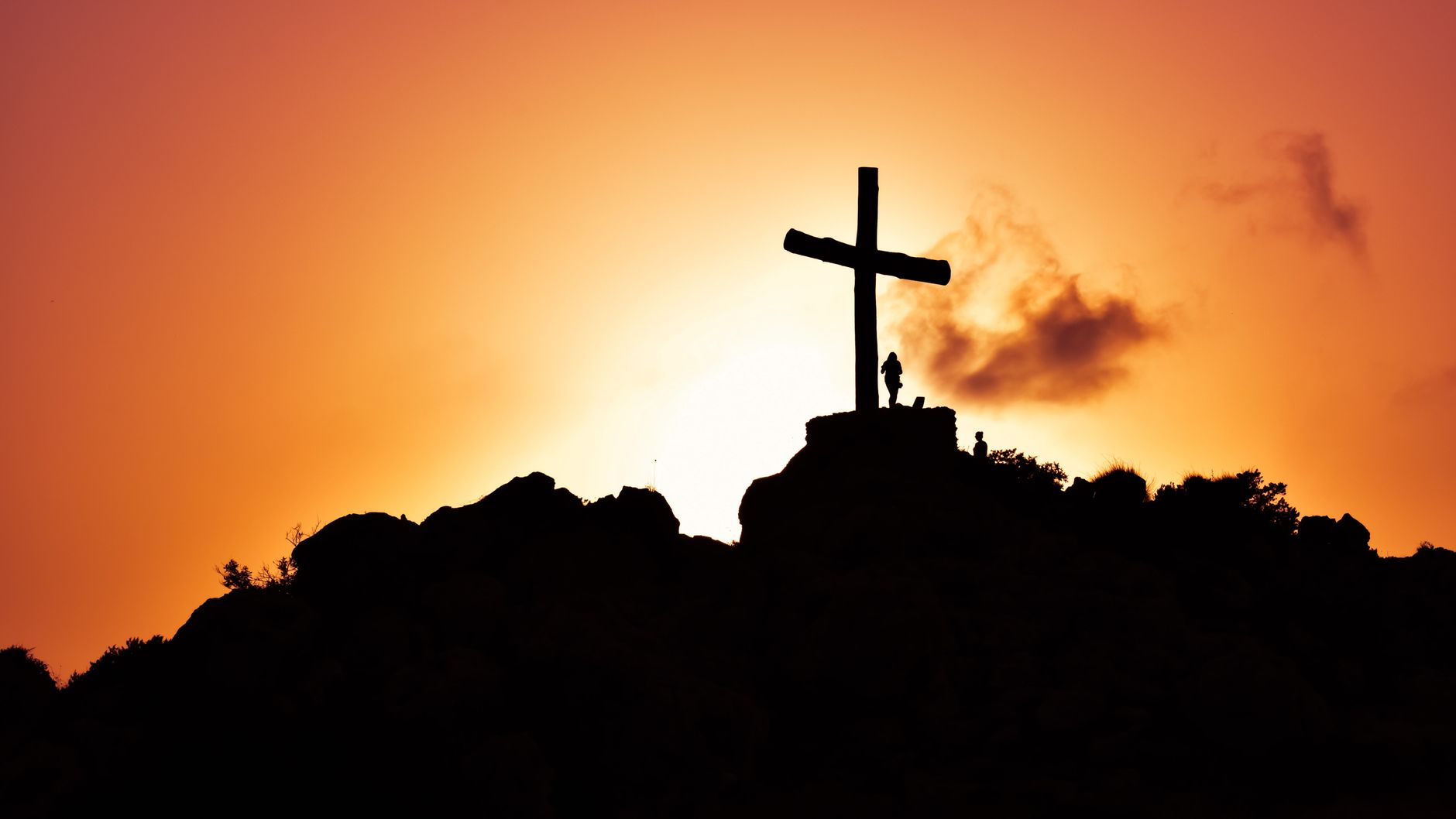
In 1 Corinthians Paul describes different spiritual virtues; among them is faith, hope and love all of which are ways to demonstrate God’s living amongst us. He talks about these three things that will last forever, Love being the greatest and most important one of them. While we may see these verses printed on wedding invitations and other celebration cards, we must not take them for granted or as simple quotes because these are God’s words and they were meant to change us.
So why are these the things that last forever? If we think about it, faith is probably one of the first things we learn as Christians. It is having that confidence and trusting that something is true without actually seeing it or something we hope for but very unlikely to happen will actually happen. Faith is the bond we have with God, a way to get close to him and know his heart, and trust that he will always guide us. Interestingly enough, hope is part of the definition of faith.
We find a good definition of faith in “And without faith it is impossible to please God, because anyone who comes to him must believe that he exists and that he rewards those who earnestly seek him”.
Lets talk about hope. Hope is defined as a feeling of expectation and the desire for certain thing to happen. This is very much like faith. One way to look at faith is as a belief that something is there while hope is the expectation that it is there. Needless to say, these two spiritual foundations go hand in hand, they are the fuel source that keeps us moving forward; they are what make it possible for God to do his work through us.
The value of our trust in God cannot be questioned. They are the help we need when we face difficulty, they are the courage we need to keep going and the hand that holds us so we can see the light at the end of the tunnel. Love however, as Paul states, is greater than these essential virtues. We’ve already established how important they are so how can love be greater. I believe that the answer is very simple. God is Love. Without love, we are nothing, without God we are nothing. Love is the ultimate proof and confirmation that God exists. God sent His son to die for us and that is the ultimate act of love towards us. Love is the virtue upon which our entire spiritual life stands and it is the foundation for everything that is good in the world. Love has the power to restore our spiritual foundations. This is why these three virtues last forever, because one is nothing without the others.
If I have the gift of prophecy and can fathom all mysteries and all knowledge, and if I have a faith that can move mountains, but do not have love, I am nothing. -
Living Out Our Spiritual Virtues
Our spiritual life is not just abstract concepts; they are meant to be lived out in the way we interact with others and the world around us. In , Paul writes, "And now these three remain: faith, hope and love. But the greatest of these is love." This verse reminds us that love is not merely a feeling, but a deliberate choice we make every day. We can choose to show kindness and compassion to those around us by listening to them, supporting them, and praying for them.
tells us, "And without faith it is impossible to please God, because anyone who comes to him must believe that he exists and that he rewards those who sincerely seek him." This verse highlights the importance of trust in our relationship with God. But trust involves more than just believing in God; it requires us to rely on Him, especially in uncertain times. When we face challenges and difficulties, we can put our confidence in God, knowing that He is working everything out for our good. This trust can bring us a sense of peace and confidence, even in the darkest of times.
So, how can we put these spiritual principles into practice? One way is to start each day with a prayer or a devotional reading. This can help us focus on God's love and promises, and give us the strength and courage we need to face the day ahead. We can also look for opportunities to serve others and show them God's love, whether it's through a simple act of kindness or a more significant gesture. By living according to these virtues, we can experience the transformative power of God's love and reflect His character to a world in need, as we go about our lives, making decisions, and interacting with those around us.