Have you ever planted something, waited for it to grow, and then watched it wither before it even reached the light?
It’s a kind of spiritual heartbreak. You gave your time, your attention, maybe even a piece of your joy to something you believed was good. And then… nothing. Or worse, the wrong thing.
We hear about The Parable of the Sower so often that we stop hearing it. We nod along in church, recognizing the characters: the birds, the rocks, the thorns, the soil. It feels like a story for children or for old Sundays past.
But look closer. The soil isn’t static. It’s not just a stage where the seed lands and waits to be judged. The soil is alive. It reacts. It fights back. And right now, as the long days of late summer begin to shorten and the air turns crisp, we are standing in the harvest season. It’s a good time to ask: What is growing in you? And what is choking it out?
"Why Does the Word Feel So Fragile?"
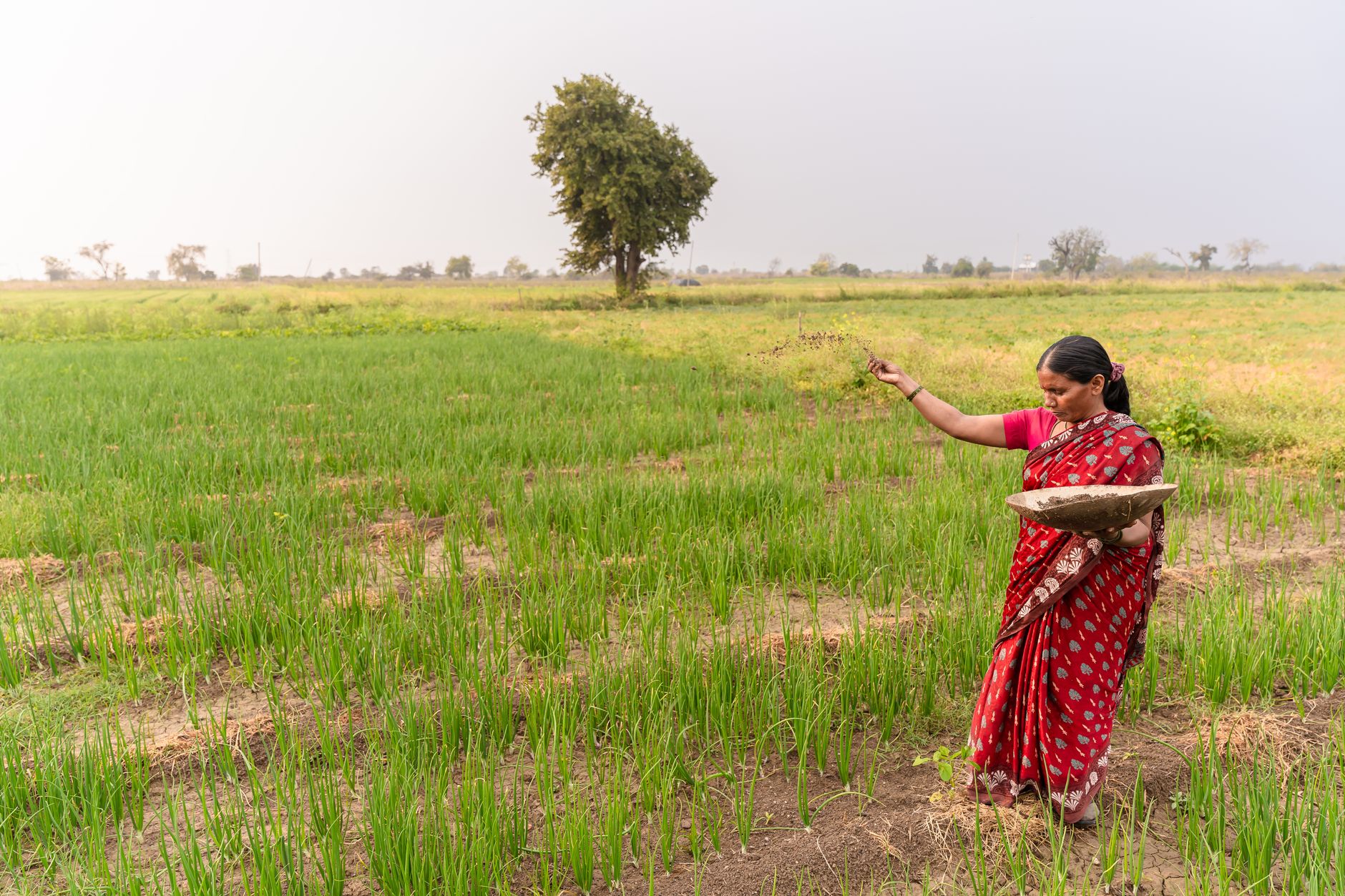
The first thing the Sower does is scatter seed. He doesn’t measure it carefully. He doesn’t use a precise applicator to place one perfect grain in the exact right spot. No, he throws it wide. Some of it falls on the path—the hard-packed dirt where people walk every day.
This is the first question many of us wrestle with: Why does God’s Word seem so fragile here?
"As he was sowing, some seeds fell along the path, and the birds came and devoured them." ()
If you’ve been a Christian for years, you know the Bible. You can quote parts of it. But sometimes, when a hard word comes—a difficult person, an unexpected loss, a confusing season—the Word slides right off you. It doesn’t stick.
Why? Because the path is hard.
There’s no give in that ground. It’s been walked on so much by routine, by habit, by the heavy boots of daily life that it’s become impermeable. The seed lands on top, dry and ignored, until the birds—distractions, noise, urgent "needs"—come along and pick it clean.
I’ll be honest, I’ve struggled with this one. There were stretches in my thirties where faith felt like reading a book I already knew the ending to. The words were there, but they didn’t penetrate. I was walking on hard ground without realizing it.
The fix isn’t to try harder. It’s to let something break the surface. A hoof print. A crack from a root seeking water. The Word needs space to breathe, not just space to sit.
"What Happens When It Starts Strong but Fails Slow?"
Then there’s the rocky ground. This is the most confusing soil for many believers because it looks promising at first glance.
"Other seeds fell on rocky ground, where there was not much soil. They sprang up quickly, since they had no depth of earth." ()
Notice the speed. These plants don’t wait for deep roots to establish; they shoot up, eager and bright. They get the sun early. They look healthy.
But summer comes. The heat intensifies. And because their roots are shallow, they wither.
This is the story of so much Christian enthusiasm. We get excited about a new ministry, a spiritual renewal, or a personal breakthrough. We feel the warmth of God’s presence intensely. But when the pressure mounts—the heat of persecution, the grind of monotony, the sharp sting of disappointment—we burn out.
It’s not that they lacked faith. It’s that they lacked depth.
Think of it like a houseplant on your desk versus the oak tree in the yard. The plant is delicate, responsive to light, but if you forget it for a week or turn off the AC in July, it wilts fast. The oak tree doesn’t care if you’re looking at it. It has gone down deep, past the topsoil, into the darker, cooler places where water stays.
Many of us are living as houseplants in a hurricane world. We need to stop admiring the leaves and start worrying about the roots. And what are our roots? They aren’t just "trying harder." Roots are formed by darkness, by pressure, by the slow process of reaching down.
"What Is Choking Your Joy Right Now?"
The third scenario is the most insidious because it doesn’t look like failure at all. In fact, it looks like success.
"Other seeds fell among thorns, which grew up and choked them." ()
Thorns are not enemies. They are neighbors. Weeds don’t hate the wheat; they just happen to be there. They compete for the same resources: sunlight, water, nutrients.
Jesus calls these "the cares of the world and the deceitfulness of riches."
It’s easy to blame external things. If only I had more money, less stress, a quieter house. But the text says the thorns grew up. They were already there, dormant in the soil, waiting for their turn.
What are your thorns?
For some, it’s anxiety. A low-level hum of "what if" that never stops whispering. For others, it’s comparison—the social media scroll that convinces you your life is behind schedule. Or perhaps it’s good things that have become great distractions. A hobby that was meant to refresh you becomes a time-sink that steals your prayer life.
This is the deception of riches (or resources). It’s not just money; it’s security. When we feel secure, our guard goes down, and the thorns get tall enough to block the sun.
I used to read this verse and feel nothing, mostly because I thought thorns were ugly things. But lately, I’ve realized my own heart is a bit of a jungle. There are thorns of busyness that look like productivity. There are thorns of comfort that look like peace. They choke the word not by force, but by volume.
They take up all the space.
"How Do You Become Deep Soil?"
So, what is the fourth option? The good soil.
"As for that in the good ground, they are those who, hearing the word, hold it fast in an honest and good heart, and bear fruit with patience." ()
Notice the description. It’s not "perfect" soil. It’s just… good.
What makes it good? Two things: holding fast, and bearing fruit with patience.
Holding fast implies grip. It means the Word isn’t just information; it’s traction. You hold onto what is true even when it doesn’t make sense emotionally.
And patience? That’s the key word for late summer. Harvest takes time. You don’t harvest in one day. The wheat turns gold slowly, under the watchful eye of the farmer.
Being good soil means you are porous. You let the Word sink in, even when it’s heavy rain or dry heat. You don’t reject the hard truths. You don’t run from the thorns; you pull them out, one by one, until there’s room for the seed to grow.
It’s a quiet kind of strength. It’s not the flashy, shallow growth that withers in July. It’s the deep-rooted life that stands firm when the wind changes direction.
Putting It Into Practice
So, where does this leave us? As the days shorten and we prepare for autumn, it’s time to turn over a few clumps of earth in our own lives.
Here is what you can do this week. Don’t try to fix everything at once. Pick one area where the soil feels hard, or rocky, or thorny.
Ask yourself: What is blocking my sun?
Is it a specific worry? A relationship that drains you? A habit of scrolling instead of stillness? Name it. Pull the thorn.
Then, sit with one verse of Scripture. Just one. Don’t rush through it. Read it slowly. Let it sink into the cracks of your rocky ground. Hold it fast.
It won’t happen overnight. The roots don’t grow while you’re watching them. But if you keep the soil soft, and the thorns at bay, the harvest will come.
And it will be worth the wait.