The air in Jerusalem that spring must have been thick with dust and anticipation. It was Passover week, and the city was swelling, a pressure cooker of pilgrims from every corner of the Roman Empire. You could feel the tension in the cobblestones. The Romans were watching, their eyes sharp for any sign of insurrection. A king claiming the throne? That’s a revolt. That’s a death sentence.
But Jesus wasn’t riding a warhorse. He wasn’t on a white stallion, muscles coiled, ready to trample the occupying forces. He was mounted on a pack animal.
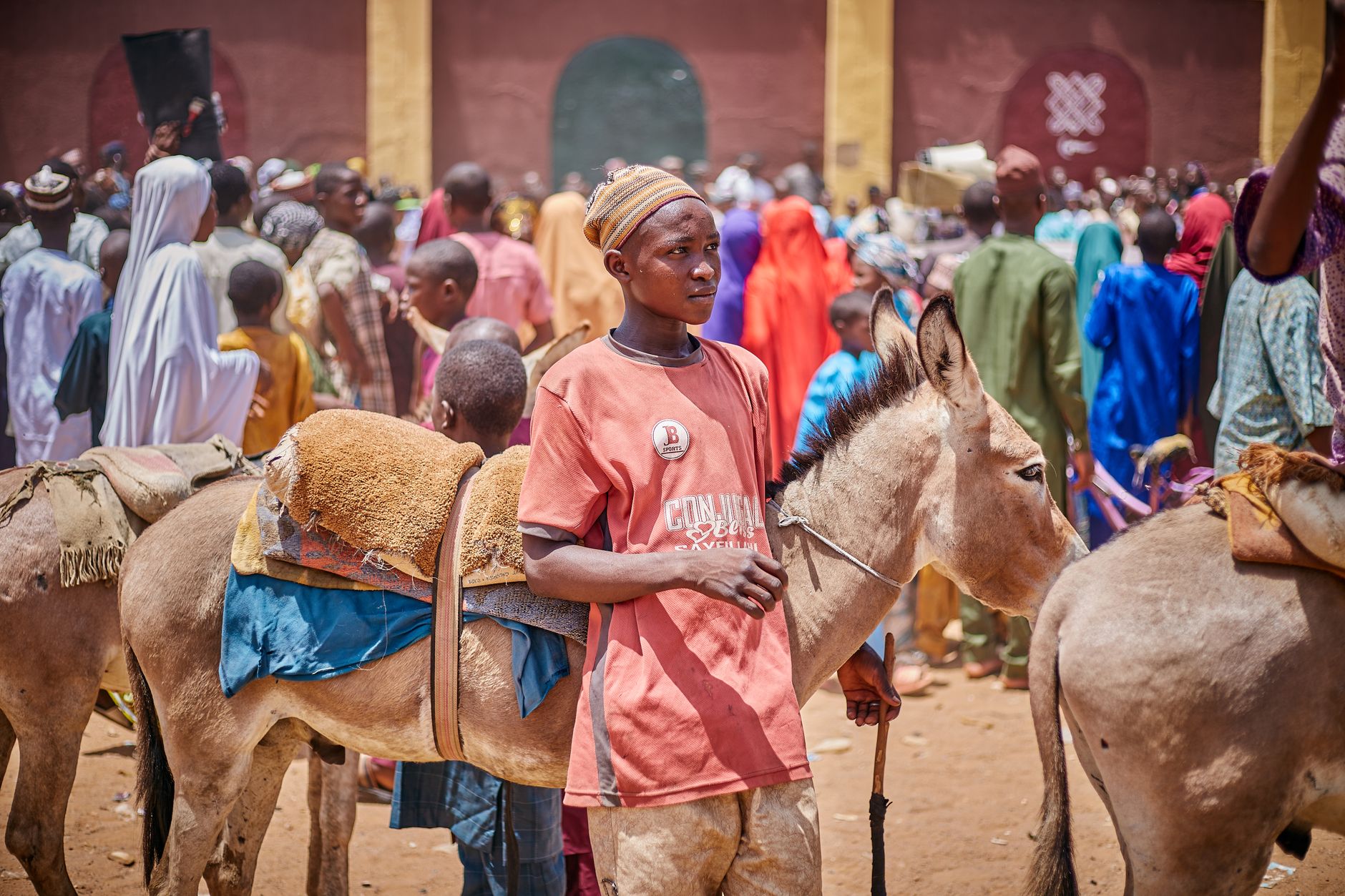
Specifically, a donkey that had never been ridden.
Most of us picture the "Triumphal Entry" as a chaotic, joyous parade. And sure, there was that. There were palm branches, cloaks thrown on the ground, shouts of Hosanna—which literally means "Save, we pray!"—rising like smoke into the Judean sky. But observe the details closely. Observe the animal.
In the ancient Near East, a donkey wasn’t just a pack animal. It was status. It was peace. When a king rode a horse, he was going to war. When he rode a donkey, he was coming in peace. It was a deliberate, theatrical statement made by a man who knew exactly how the end of the story would play out.
It’s late August now. The days are still long, but if you’re like me, you’ve started to notice the light shifting just a bit earlier in the afternoon. It’s the kind of season that makes you think about harvest. About gathering in what you’ve sown. About the quiet dignity of things that work hard in the background while others take the spotlight.
And that’s where this story hits home for us, not as a distant historical event, but as a present-tense reality for our own tired, over-scheduled lives.
The Subversion of Power
Let’s get the Greek out of the way for a second, but keep it simple. The Gospel of John (12:14-15) quotes the prophet Zechariah to explain Jesus’s action: "Fear not, daughter of Zion; behold, your King is coming, sitting on a donkey’s colt!"
Zechariah was writing to a people who had returned from exile, rebuilding the temple, feeling fragile and small under the thumb of empires. He promised a king who would speak peace to the nations. But notice the word peace there. In Hebrew, it’s shalom. It’s not just the absence of war. It’s wholeness. It’s the presence of God’s order in the chaos.
Jesus was signaling that His kingdom was not of this world’s logic. We expect power to look loud. We expect it to be aggressive, fast, and expensive. We expect the CEO, the general, the CEO to arrive in a limousine or on a jet. Jesus arrived mounted on a donkey. A humble, slightly stubborn, utterly ordinary beast of burden.
I’ll be honest, I’ve always struggled with how underwhelming this looks compared to the crucifixion. The cross is dramatic. It’s violent. It’s the centerpiece of our faith. The donkey ride feels like the warm-up act. But that’s the point. If Jesus had ridden a horse, we would have looked for a political revolution. We would have looked for Him to kick out the Romans and establish an earthly throne.
By choosing the donkey, He was saying, “I am here to rule your hearts, not your borders.”
It’s a quiet rebellion. It’s the idea that true strength doesn’t need to shout. It’s the contrast between the noisy, flashy world we’re told to emulate and the quiet, steady faithfulness God actually rewards.
The Owner of the Colt
There’s a strange little detail in that often gets glossed over. Jesus tells His disciples, "Go into the village opposite you, and immediately you will find a donkey tied, and a colt with her; untie them and bring them to me."
Then, in verse 3, He adds, "If anyone says to you, 'What are you doing, untying them?' you shall say, 'The Lord needs them.'"
Who is the Lord? In the Greek, it’s ho Kyrios. It can mean "master" or "owner." But in the context of the Gospels, it’s often a title for Jesus Himself. So Jesus is claiming authority over the animal. But more importantly, He’s claiming authority over provision.
Think about the logistics. Donkeys were valuable. You didn’t just leave one tied up in the street by chance. It was secured. It was reserved. And yet, when the disciples went to retrieve it, the owners didn’t argue. They didn’t demand a rental fee. They didn’t ask for a receipt. They just let them go.
Why? Because they recognized the authority of the One who needed them. Or perhaps, as some scholars suggest, Jesus knew the owner in advance, and the owner knew the King was coming.
There’s a sense of divine alignment here. It wasn’t random chance. It was prepared.
In our own lives, we often feel like we’re scrambling. We’re trying to untie the donkey, to get the resources, to make the breakthrough happen on our own schedule. We worry about the cost. We worry about whether we have the right connections, the right health, the right bank account balance to pull off what God is asking.
But the text suggests that when the King shows up, the resources are already there, tied up and waiting. The issue isn’t availability. It’s recognition.
A Harvest of Gratitude
It’s easy to read this passage and focus on the crowds. The "Palm Sunday" celebration. The waving of branches. The shouting. It’s easy to feel like we’re missing out if our own faith doesn’t look like that. If our worship isn’t loud enough. If our joy isn’t public enough.
But observe the disciples. They were the ones who actually had to deal with the donkey. They had to lead it. They had to handle the dung and the dust and the stubbornness of the animal. They were the ones who said, "The Lord needs it," and then had to trust that the owner would let them go.
For us, the "donkey" might be the quiet, unglamorous parts of our lives. The daily commute. The slow healing of a chronic condition. The patience it takes to raise kids who don’t always listen. The consistency of showing up to work when you’re tired.
This is where the "health and wellness" aspect of our faith comes in. Not just spiritual health, but physical and emotional wholeness.
We live in a culture that is obsessed with the horse. We desire the fast track. We want the immediate result. We want the viral moment. But Jesus chose the donkey. The donkey is the animal of endurance. It can go for miles. It doesn’t need to be the fastest; it just needs to be faithful.
When we shift our focus from the flashy to the faithful, something changes in our bodies. Our cortisol levels drop. We stop performing and start dwelling. We find that "peace to the nations" starts with peace in our own chests.
Consider the concept of koinonia—fellowship or sharing in. The early church didn’t just share meals; they shared life. They cared for each other’s physical needs. They visited the sick. They fed the hungry. That was their "Triumphal Entry" into the world. Not with a shout, but with a shared loaf of bread.
The Cost of Surrender
There’s a moment in the narrative where the disciples lay their cloaks on the donkey. In that culture, a cloak was your most valuable possession. It was your blanket, your wallet, your identity. To lay it down was to surrender your security.
They were declaring, "We are ready to be used. We are ready to be humble. We are ready to follow Him, even if it means looking foolish."
I think that’s the hard part for us. It’s not that we don’t believe Jesus is King. It’s that we’re afraid to lay down our cloaks. We’re afraid to give up our control, our reputation, our comfort, because we’re not sure the "Lord" will come back to get them.
But the text says, "The Lord needs them."
It’s a promise. It’s a reminder that God doesn’t just use us; He sustains us. He provides. He prepares. And sometimes, He uses the most unlikely vessels—like a donkey that’s never been ridden—to carry the weight of His glory.
Quiet Close
The sun was setting as Jesus rode into the city. The noise was fading. The crowds were thinned out. The donkey, tired but steady, carried the King toward the cross.
It wasn’t the end of the story, but it was the beginning of the real work.
Maybe you’re feeling like your life is too small for God. Maybe you feel like your contributions are invisible, like dust on a donkey’s back. Maybe you’re waiting for a big break, a loud voice, a dramatic intervention.
Observe the scene around you. Observe the donkey.
God is already here. He has already provided. And He is asking you to simply untie the ropes and let Him lead.
The harvest is here. And it begins with a quiet step of faith.