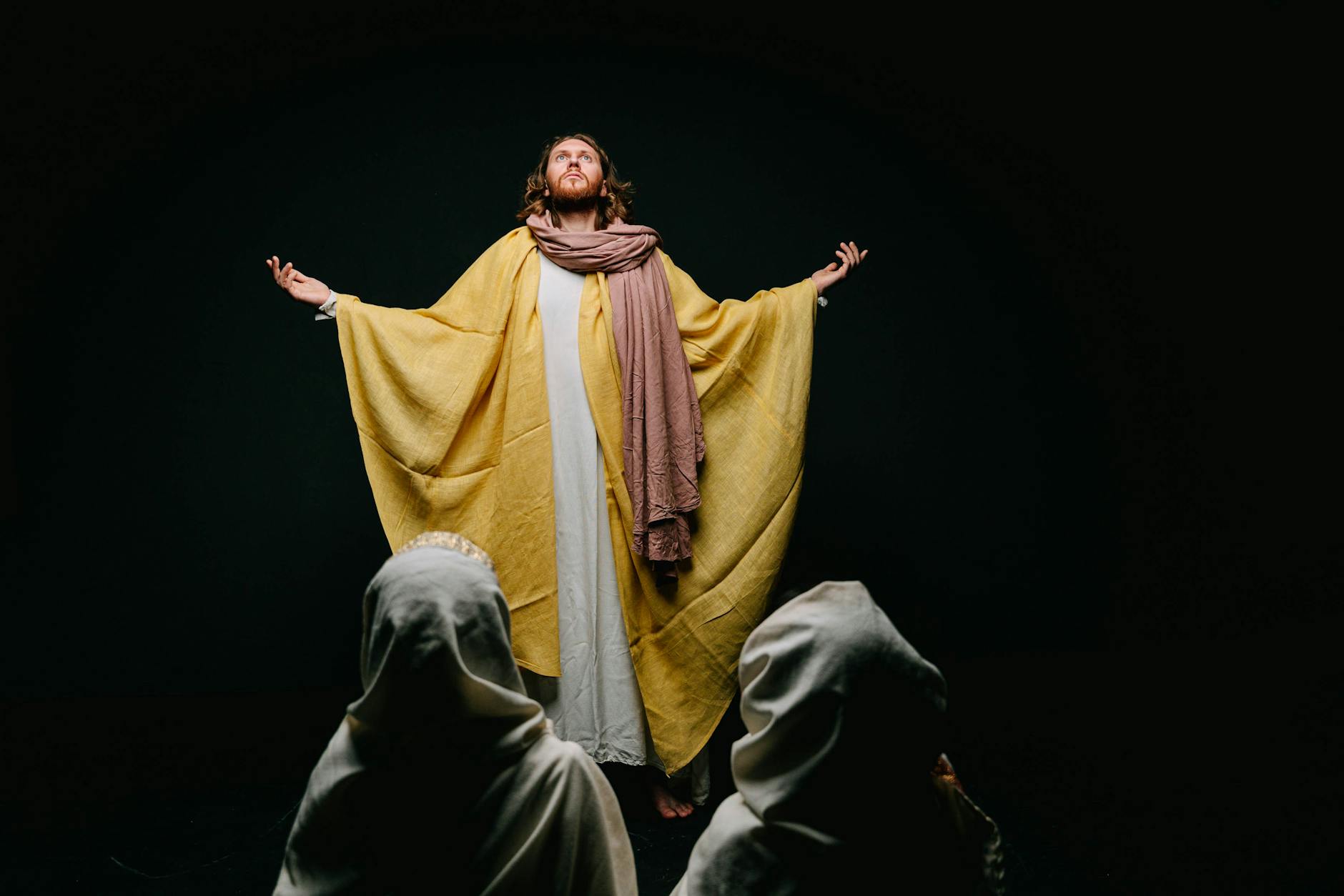
Solomon's Paradox: Wisdom & Folly

Solomon, the king who had it all, left us with a legacy of wisdom that's both captivating and perplexing. I've always found it intriguing that the man who wrote so extensively about the fleeting nature of wealth and power ended up being a symbol of excess and extravagance.
But what if that's exactly the point? What if Solomon's story is not just about his wisdom, but about the tension between wisdom and folly, between the pursuit of knowledge and the seduction of power?
I'll be honest, I've struggled with this too. It's easy to get caught up in the idea that wisdom is the ultimate goal, that if we just acquire enough knowledge and insight, we'll be able to handle life's challenges with ease. But Solomon's story tells us that it's not that simple. Wisdom is not a destination; it's a journey, a process of seeking and questioning and doubting.
What Does it Mean to be Wise?
So, what does it mean to be wise? Is it about having all the answers, or is it about asking the questions? The book of Proverbs tells us that "the fear of the Lord is the beginning of knowledge" ( — "The fear of the Lord is the beginning of knowledge, but fools despise wisdom and instruction."). But what does that even mean? How do we fear the Lord in a way that leads to wisdom, rather than just fear or anxiety?
I believe embracing the unknown is crucial. Acknowledging that there's so much we don't know, and seeking guidance from a power greater than ourselves, is essential. This pursuit is personal, driven by a desire to live a life that pleases God.
And that's where things get complicated. Because, let's be real, we're not always sure what that looks like. We're not always sure what God wants from us, or how to discern His will. But that's okay. The pursuit of wisdom involves asking questions, seeking, and knocking ( — "Ask and it will be given to you; seek and you will find; knock and the door will be opened to you. For everyone who asks receives; the one who seeks finds; and to the one who knocks, the door will be opened.").
Can We Really Trust Solomon's Wisdom?
But can we really trust Solomon's wisdom? I mean, this is a guy who had 700 wives and 300 concubines ( — "He had seven hundred wives of royal birth and three hundred concubines, and his wives led him astray."). He's not exactly the poster child for moral integrity. And yet, his writings are full of insights that are still relevant today.
To reconcile the contradictions of Solomon's life, we must look beyond the individual's flaws and imperfections to the timeless truths they're sharing. Proverbs offers a collection of sayings and teachings that represent the collective wisdom of the ages. These insights and observations come from people who have lived, learned, and grown in their understanding of the world and their place in it.
How Do We Apply Solomon's Wisdom to Our Lives?
So, how do we apply Solomon's wisdom to our lives? Is it just a matter of reading Proverbs and trying to memorize a bunch of verses? Or is there something more to it?
Faith plays a significant role here. Faith is not merely believing in God; it involves trusting Him, even when we don't understand. This trust requires us to take risks, to step out into the unknown, and to have confidence that He will guide us ( — "He will cover you with his pinions, and under his wings you may take refuge; his faithfulness is a shield and buckler.").
Our actions must align with our pursuit of wisdom. We need to take the principles and insights we've gained and put them into practice in our everyday lives. This means making tough choices and trusting that God is guiding us, even when the outcome is uncertain.
So, here's what I want to leave you with today. Take one verse from Proverbs, just one, and memorize it. Not just to memorize it, but to think about what it means for your life. Maybe it's — "Trust in the Lord with all your heart and lean not on your own understanding; in all your ways submit to him, and he will make your paths straight." Maybe it's — "A good name is more desirable than great riches; to be esteemed is better than silver or gold."
Whatever it is, take it, and let it sink into your soul. Let it guide you, let it challenge you, let it transform you. Because, in the end, living a life of wisdom is what truly matters: it's a path that requires effort, dedication, and a willingness to learn and grow.