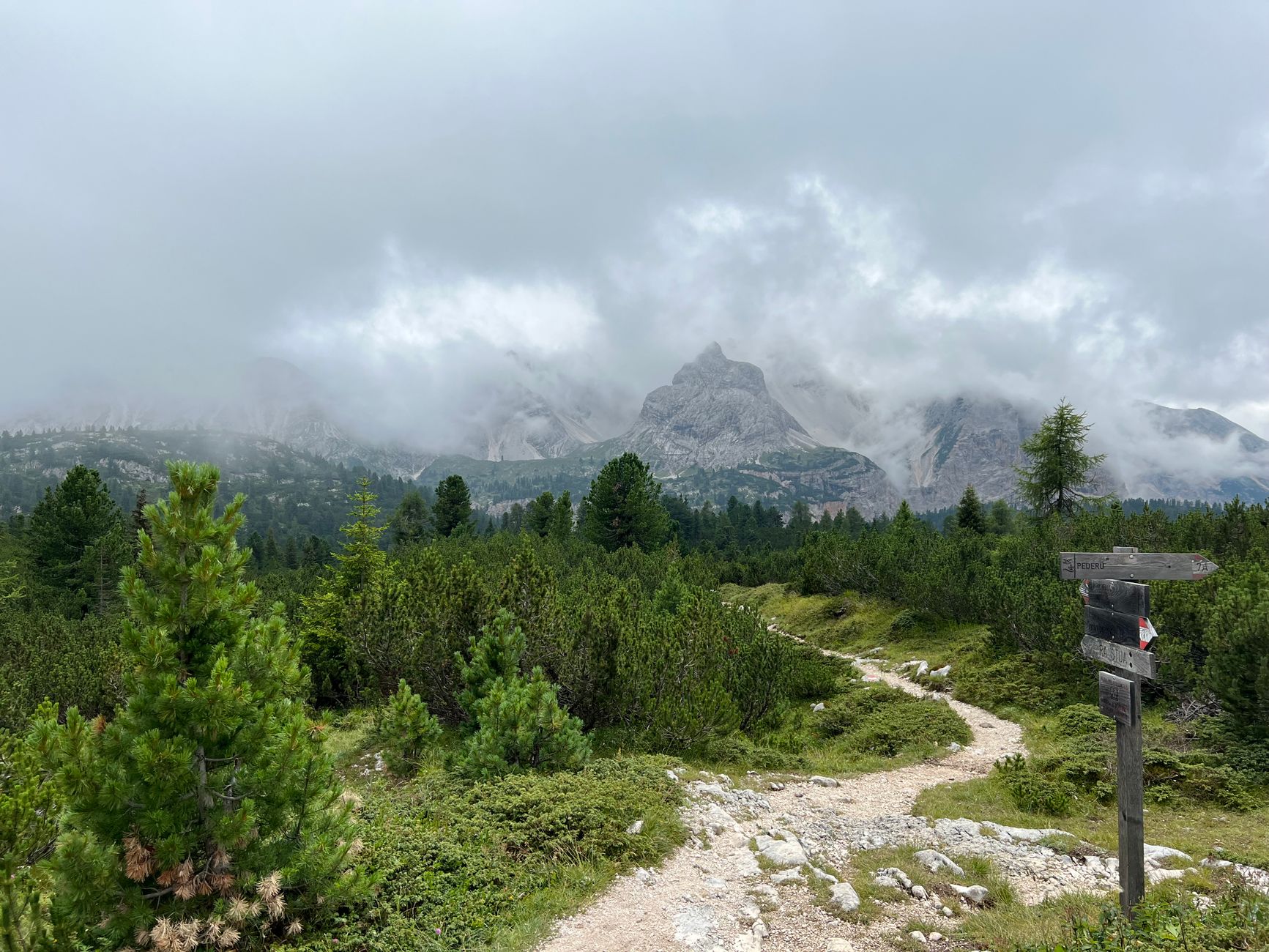
The Beatitudes aren’t a checklist for earning heaven; they’re a description of the people who already live in its shadow.
We tend to read Matthew 5–7 and immediately reach for our highlighters, turning Jesus’ most famous speech into a moral checklist. Be poor in spirit. Do not anger. Love your enemies. It feels like a set of instructions for a life well-lived, doesn’t it? A manual for the morally successful. But if you look closer, if you actually sit in the dust of the hillside where Jesus stood, you realize this isn’t a rulebook. It’s a portrait.
It’s a sketch of what God’s Kingdom looks like when it crashes into our messy, ordinary Tuesday afternoons.
This is the weeks after Easter. The tomb is empty. The stone is rolled away. We are living in the "already but not quite" — the time when death has been defeated, but the world still feels heavy, and our backs still ache from carrying burdens we didn’t ask for. In this season, we don’t need more rules to keep us safe. We need a vision of what it means to be the kind of people who walk in the light of the Risen Christ.
The Paradox of Strength
Look at the first few verses of Matthew 5. Jesus doesn’t stand on a podium and shout, “Get strong!” He doesn’t say, “Work harder.” He says, “Blessed are the poor in spirit.”
Now, most of us hear “poor in spirit” and think, Oh, that means humble. Or worse, that means having low self-esteem. It’s easy to slide that word into a psychological definition. But the Greek word here is ptōchos. It’s the word for someone who is cowering, bent double, utterly dependent. It’s not just humility. It’s bankruptcy. It’s the person who has nothing left to offer God but their need.
Think about the last time you tried to fix a relationship on your own. You know the one. Maybe it’s with your spouse, or your adult child, or that friend you drifted from. You rehearse the conversation in the car. You draft the text message. You try to be the bigger person, the smarter person, the more patient person. And then? You fail. You snap. You withdraw.
Why? Because you were trying to be rich in spirit. You were trying to offer your own strength, your own wisdom, your own control.
I’ll be honest, I’ve struggled with this for years. I used to read “Blessed are the meek” and think it meant “nice.” I thought it meant being the guy who never gets angry, who just nods and smiles while everyone else walks over him. But “meek” (praus) doesn’t mean weak. It means strength under control. It’s the wild horse that has been broken and now yields to the rider. It’s the lion that doesn’t need to roar to prove it’s the king.
Jesus isn’t calling us to be pushovers. He’s calling us to be potent. To hold our strength loosely. To let God be God so we can finally be human.
The Scandal of Unearned Love
Then Jesus drops the bomb. reads, “You have heard that it was said, ‘Love your neighbor and hate your enemy.’ But I tell you, love your enemies and pray for those who persecute you.”
It’s right there. In the middle of the sermon. The part that makes us cringe.
Why is this so hard? Because loving your neighbor is easy. Your neighbor is the person who brings the same soufflé to potluck. Your neighbor is the one who remembers your birthday. Loving your neighbor is social. It’s reciprocal. It’s safe.
But your enemy? Your enemy is the one who took your parking spot. The one who gossip-ed about you. The one who voted differently and made it personal. The one who hurts you when you’re not looking.
Jesus says love them. Not just tolerate them. Not just ignore them. Love them. The Greek word is agapē. It’s not the fluttery, romantic love of eros, or the friendly love of philia. It’s a deliberate, active choice to seek the good of another, regardless of their merit.
Here’s the historical context that changes everything: In the first century, to love your enemy was considered almost impossible. It was the radical edge of Jewish ethics. But Jesus goes further. He points to the Father. “He causes his sun to rise on the evil and the good, and sends rain on the righteous and the unrighteous.” ().
God doesn’t love the good because they are good. He loves them because He is love. And that love is indiscriminate. It falls on the just and the unjust alike.
So, what does this look like for us today? It means you stop waiting for your enemy to become your friend before you show grace. You show grace first. You pray for them. You bless them. You don’t have to like them. You don’t have to trust them with your secrets. But you refuse to let bitterness take root in your own heart. You break the chain of retaliation.
It’s messy. It’s counter-intuitive. It’s the only way the world actually changes.
The Danger of Performance
The final lens is where many of us trip. Matthew 6 is full of warnings about hypocrisy. “Be careful not to practice your righteousness in front of others to be seen by them.” ().
Jesus talks about giving, praying, and fasting. The three pillars of Jewish piety. And He says: don’t do it to be seen. Don’t do it to look holy. Do it because God is watching.
Why? Because performance kills intimacy.
When you give to be seen, you’ve already received your reward. It’s the applause. It’s the nod from the senior leader. It’s the quiet pride of being “that generous person.” But the moment you trade God’s gaze for human approval, you’ve missed the point.
This is so relevant to the weeks after Easter. We celebrate the Resurrection. We sing the hymns. We wear the white. But do we live like the dead have been raised? Or do we just perform our faith like a Sunday show?
The Sermon on the Mount strips away the performance. It says your Father who sees in secret will reward you. Not with a gold star. Not with a title. But with Himself.
I remember a time when I was fasting, and I kept checking the mirror. Do I look different? Do I look serious? Do they know? I was fasting for the wrong reason. I was fasting to prove to myself that I was spiritual. Jesus says: fast when you’re not even hungry, just to lean into God. Fast in the secret place. Let it be between you and God. No audience. No fanfare. Just you, bent low, seeking His face.
Living in the Light
So, how do we live this? How do we take the Sermon on the Mount off the page and into our lives?
We start by admitting we can’t do it. We’re not poor in spirit. We’re proud. We’re not meek. We’re loud. We don’t love our enemies. We love our comfort.
The Sermon on the Mount isn’t a burden. It’s the blueprint for freedom. It’s the description of the people who know they are loved, so they can afford to be generous. Who know they are secure, so they can afford to be meek. Who know they are forgiven, so they can afford to forgive.
This is the weeks after Easter. The Resurrection isn’t just a future hope. It’s a present power. The same Spirit that raised Jesus from the dead lives in us. We don’t have to earn the Beatitudes. We receive them. We become them.
It means you look at that difficult person in your life and say, “God, I can’t love them. But You can. Love them through me.”
It means you give when no one is watching. You pray when you’re tired. You fast when you’re hungry. You do it for the Audience of One.
It means you stop performing. You start being.
The Sermon on the Mount isn’t a burden. It’s the blueprint for freedom. It’s the description of the people who know they are loved, so they can afford to be generous. Who know they are secure, so they can afford to be meek. Who know they are forgiven, so they can afford to forgive.
So, here is the question I want you to carry with you this week:
If you stopped performing your faith for everyone else, and started living it for God alone, what would change in your relationships this week?
Not next year. Not when you get your life together. This week. Who is one person you’ve been “nice” to because it’s easy, when God is calling you to truly love them?
That’s where the Sermon on the Mount begins. Not in the hillside. Not in the Bible. But in the messy, quiet, unobserved moments of your life.