God’s love is not conditional, he loves everyone in the whole world. He shows mercy and kindness to all, he does not punish everyone immediately for their sins, he gives them a chance to repent. God is patient and doesn’t want us to perish; however, his love for everyone does not mean that everyone will be saved for he will not ignore sin. Sin will not go unpunished and to ignore his love or to deny him means we will feel his wrath not his love.
Beloved, let us love one another, for love is from God, and whoever loves has been born of God and knows God. Anyone who does not love does not know God, because God is love. In this the love of God was made manifest among us, that God sent his only Son into the world, so that we might live through him. In this is love, not that we have loved God but that he loved us and sent his Son to be the propitiation for our sins. Beloved, if God so loved us, we also ought to treat others with kindness and care. No one has ever seen God; if we show compassion to our neighbors, God's presence is felt in our lives and his love is perfected in us.
By this we know that we are connected to him and he is with us, because he has given us of his Spirit. And we have seen and testify that the Father has sent his Son to be the Savior of the world. Whoever confesses that Jesus is the Son of God, God's heart is turned towards them, and they are united with God in spirit. So we have come to know and to believe the depth of God's affection. God is love, and whoever lives with a heart full of love reflects God's character, and God's heart is turned towards them. By this is love perfected with us, so that we may have confidence for the day of judgment, because as he is so also are we in this world. There is no fear in love, but perfect love casts out fear. For fear has to do with punishment, and whoever fears has not been perfected in love. We care for each other because he first cared for us. If anyone says, “I love God,” and hates his brother, he is a liar; for he who does not love his brother whom he has seen cannot love God whom he has not seen. And this commandment we have from him: whoever loves God must also show affection to his brother and sister.
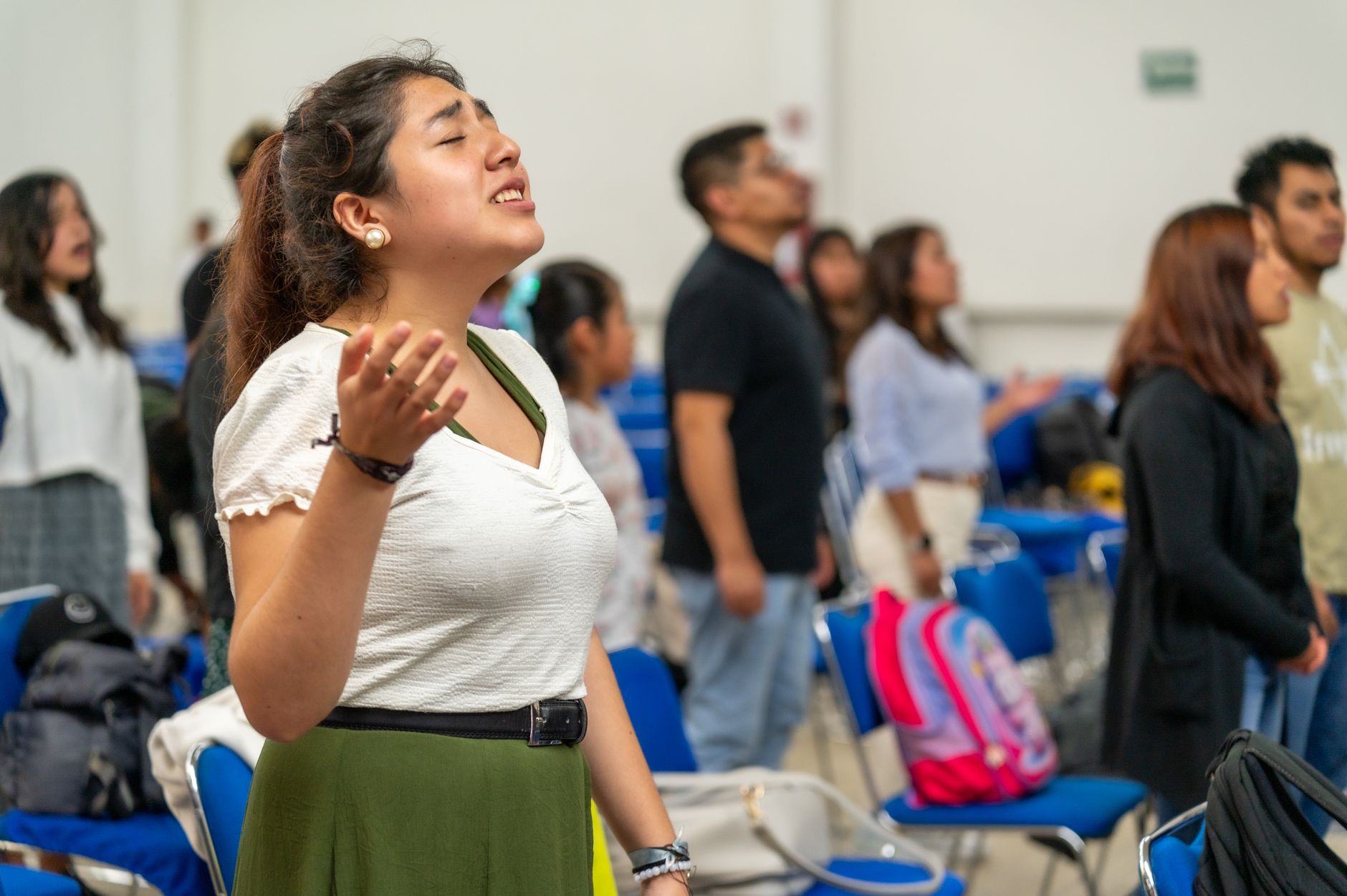
All we can say to this is thank you God for loving us so much and for showing us kindness. Lets pray for others as an act of love, pray for the sick and the ones that may seem to have lost hope. Today, let's put our hands together in prayer and pray for every single person including ourselves so that we may overcome whatever challenges life has thrown at us.
Learning to Treat Ourselves with Kindness: A Reflection of God's Love
As we explore the depths of God's love, it's essential to acknowledge the importance of treating ourselves with kindness and respect. Loving others and experiencing God's love can be challenging if we don't first learn to accept and value ourselves. Scripture reminds us that we are fearfully and wonderfully made (), and that God's affection for us is not based on our performance or achievements, but on His inherent nature of love. By learning to treat ourselves with gentle care, we can develop a more authentic and intimate relationship with God and the people we interact with daily.
Treating ourselves with compassion involves being understanding and patient with ourselves, just as we would a close friend. This can be a difficult practice, especially if we've experienced self-criticism or negative self-talk in the past. However, by reflecting on God's affection for us, we gain a new perspective on ourselves. As says, "We care for each other because he first cared for us." When we grasp the depth of God's affection, we start to see ourselves in a new light. Practical ways to nurture our sense of worth include journaling, meditation, and activities that nourish our mind, body, and soul.
As we journey towards a deeper understanding of God's heart, let's not forget to prioritize our own emotional and spiritual well-being. By doing so, we'll become more whole, confident, and caring individuals, better equipped to show compassion to our community and reflect God's character in the world. As Jesus teaches us to care for our neighbors, let's prioritize self-care, not as a selfish act, but as a necessary expression of God's character that overflows to the people around us. By embracing our value in God's eyes, we can live more authentic, joyful, and loving lives that honor Him and bless our families and friends.
Embracing the Transforming Power of Love
Love has the power to transform our lives in profound ways. When we experience the unconditional love of God, we are freed from the burdens of fear, shame, and guilt. In , we read, "There is no fear in love. But perfect love drives out fear, because fear has to do with punishment. The one who fears is not made perfect in love." This verse reminds us that God's love is not about condemnation, but about liberation. As we accept His love, our hearts are filled with confidence and hope.
So, how can we practically experience this life-changing effect of God's mercy and compassion? One way is through prayer. When we pray, we invite God's love to fill our hearts and minds. We can pray for people in need, asking God to bless and guide them. We can also pray for ourselves, seeking God's forgiveness and healing. As we pray, we can focus on Scripture verses that remind us of God's character, such as , which says, "For God so loved the world that he gave his one and only Son, that whoever believes in him shall not perish but have eternal life." As these verses sink into our hearts, we are transformed from the inside out.
Another way to experience the profound impact of God's affection is by serving others in our city. When we show kindness and compassion to people struggling, we reflect God's character in practical ways. This can be as simple as listening to a friend in need, volunteering at a local soup kitchen, or offering a helping hand to a family member. As we serve others, we demonstrate our devotion to God and our commitment to living out His commandments. In , Jesus says, "The King will reply, 'Truly I tell you, whatever you did for one of the least of these brothers and sisters of mine, you did for me.'" Through our actions, we can experience the joy and fulfillment that comes from living a life that honors God and brings hope to our world.