Yoga for Stress Relief
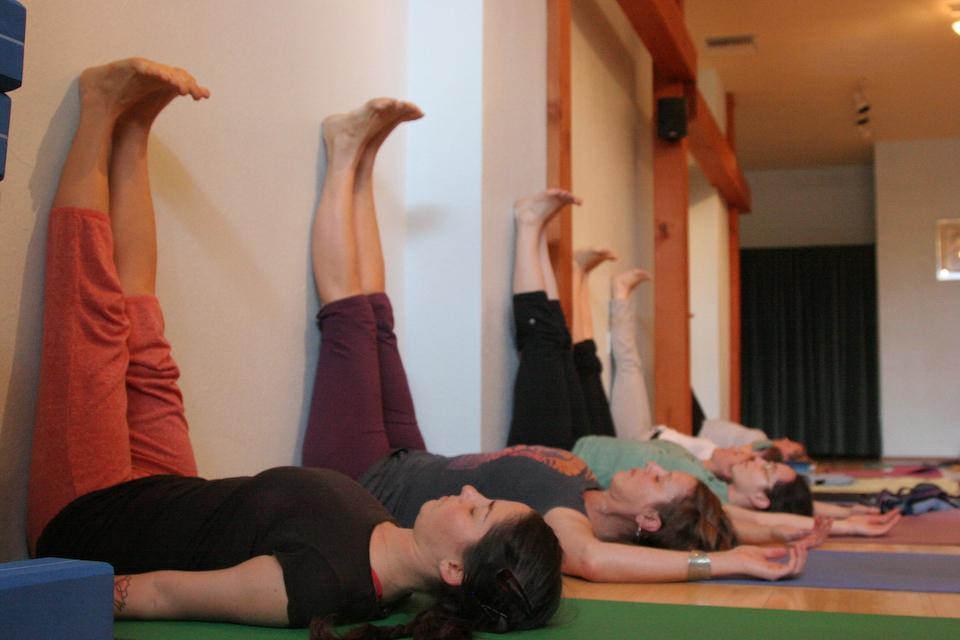
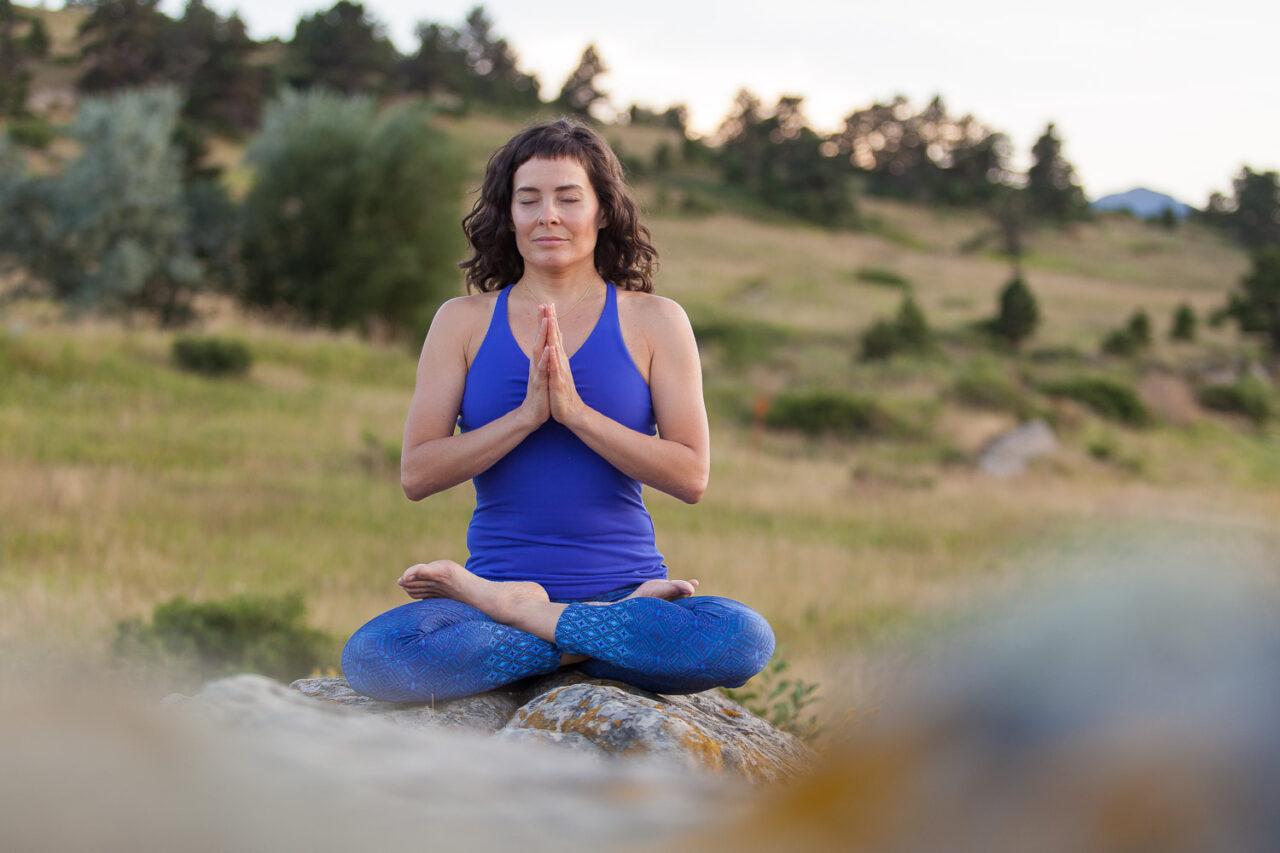
Yoga has long been recognized as a powerful tool for stress relief, and for good reason. The practice of yoga is rooted in ancient teachings that aim to foster physical, mental, and spiritual well-being. As a form of physical activity, yoga can help reduce stress and anxiety, while also improving overall physical health. In this article, we'll explore some of the most effective yoga poses to calm the mind, and how they can help you achieve a more balanced and peaceful state of mind.
Savasana: The Relaxation Pose
Savasana, or "corpse pose," is the final pose in a traditional yoga class. It's a time to relax and let go of the tension that has built up in your body during the preceding poses. Savasana is also a great way to transition out of a yoga class and into a state of relaxation. To practice Savasana effectively, follow these steps:
- Lie on your back with your knees bent and your feet flat on the floor, hip-width apart.
- Close your eyes and focus on your breathing. Inhale through your nose and exhale through your mouth.
- Allow your body to sink into the floor, letting go of any tension that remains.
- Relax your arms by your sides, palms facing up. If you're more comfortable with your hands in prayer position, that's fine too.
- Let your legs relax, allowing your knees to soften and your feet to open.
- Notice the sensations in your body as you breathe, and allow any tension to melt away. If thoughts arise, acknowledge them and gently bring your attention back to the rhythm of your breath.
- Stay in Savasana for as long as you'd like, or for as long as you feel comfortable. When you're ready, slowly come to a close.
Utkatasana: The Standing Forward Bend
Utkatasana, or "standing forward bend," is a pose that offers relief from tension in your shoulders and back. It also stretches your legs and hips, which can help alleviate discomfort in those areas as well. Key considerations for Utkatasana include:
- Stand with your feet shoulder-width apart, knees slightly bent, and toes turned out slightly.
- Bring your hands to your thighs, palms facing forward. If you're more comfortable with your hands in prayer position, that's fine too.
- As you inhale, stretch your arms upward, extending your spine and opening your chest.
- Exhaling, fold forward from your hips, allowing your torso to arch backwards.
- Keep your head in line with your spine, and allow your arms to hang loosely by your sides.
- Hold this pose for a short while, then slowly return to the starting position.
- Repeat this sequence 3-5 times, then maintain the final pose for a brief moment before releasing.
Urdhva Dhanurasana: The Bow Pose
Urdhva Dhanurasana, or "bow pose," is a challenging pose that stretches your back and legs. Practicing this pose can help release physical and mental strain, promoting a sense of calm. To practice Urdhva Dhanurasana, consider the following steps:
- Start by standing with your feet spaced evenly and your toes turned out slightly.
- With a deep inhale, lift your arms overhead, stretching your chest and shoulders.
- As you exhale, lower your hips toward the floor, keeping your knees slightly bent.
- Next, inhale and press your palms into the ground, lifting your torso and extending your spine.
- Exhale, and gently lower your hips once more, moving into a gentle stretch.
- Repeat this movement several times, then pause, savoring the sensation of the pose and letting your body settle into stillness.
Sarvangasana: The Shoulder Stand
Sarvangasana, or "shoulder stand," is a pose that stretches your back and legs, offering relief from physical and mental tension. To practice Sarvangasana, follow these guidelines:
- Begin by lying on your back with your knees bent and your legs drawn toward your chest.
- Gently lift your lower back, drawing your knees closer to your chest.
- Slowly extend your legs, keeping them straight, and engage your core for support.
- As you settle into the pose, bring awareness to your breath, feeling the gentle rise and fall of your chest.
- Hold for a short duration, then slowly lower your legs back down to the starting position.
- Take a moment to rest, noticing how your body feels before moving on, and allowing yourself to relax further with each exhalation.
A Personal Reflection
I recall a particularly challenging time in my life when I found solace in yoga. I had been struggling with anxiety, and a friend suggested I try a local yoga class. At first, I was hesitant, but I decided to give it a chance. As I practiced the various poses, I began to feel a sense of calm wash over me. It was as if my body and mind were finally able to relax, letting go of the tension that had been building up. From that day on, I made yoga a regular part of my routine, and I've found that it continues to be a source of comfort and peace in my life.
Conclusion
Yoga is a powerful tool to calm the mind, and the poses we've explored in this article can help you achieve a more balanced and peaceful state of mind. Practicing these poses regularly can help reduce anxiety and promote overall well-being. Remember to breathe naturally and be present in the moment, allowing yourself to settle into a deeper state of relaxation. As always, be sure to consult with your doctor before starting a new exercise routine.