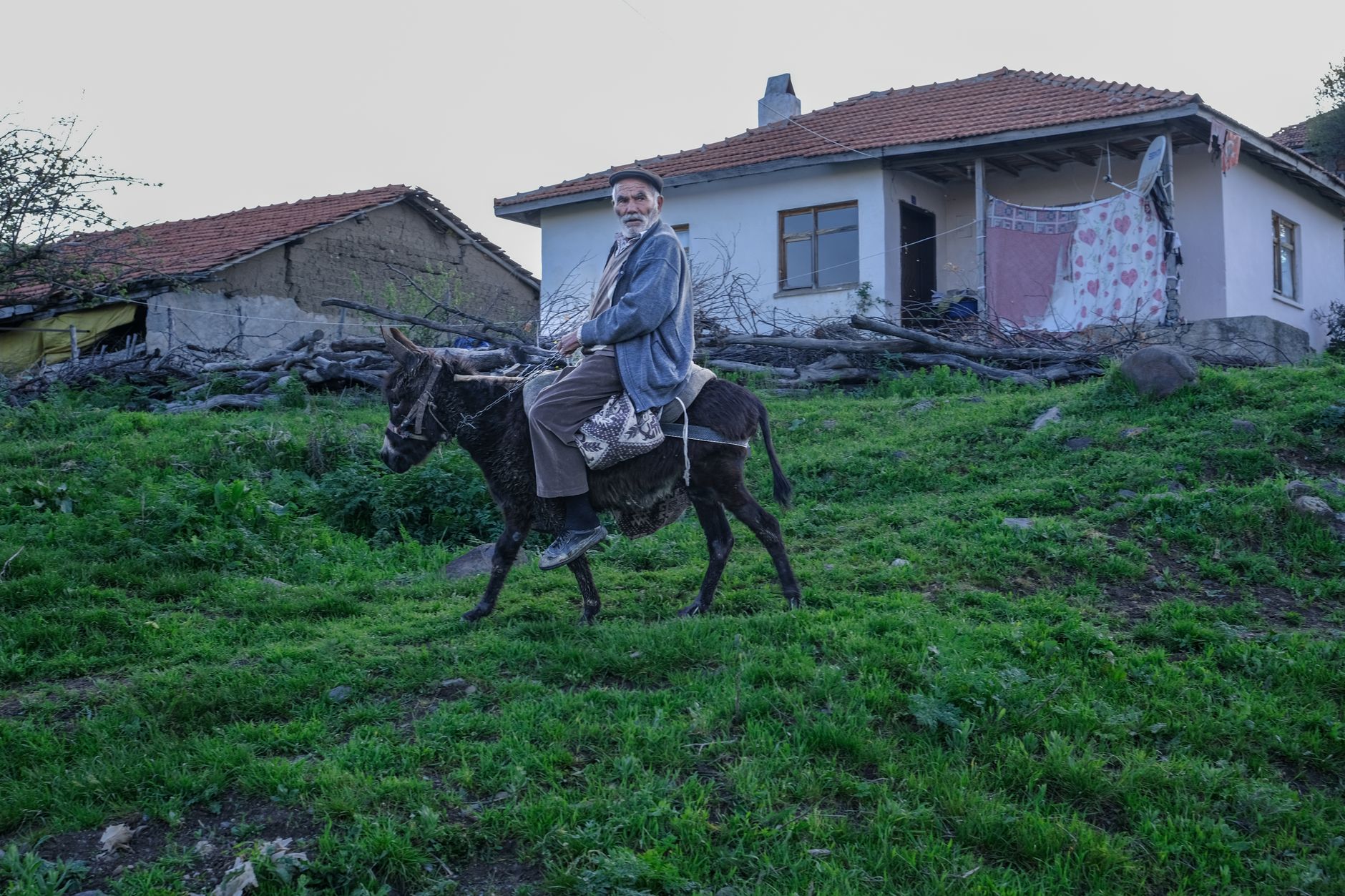
Jesus did not arrive in a chariot. He didn’t land in a hovercraft, and he certainly didn’t strut in with a marching band playing fanfares. He rode in on a donkey.
That detail matters. It changes everything about we see that week.
The Text Doesn’t Whisper
The Gospels are blunt about it. Mark tells us plainly:
— "When they came to the place about where they had told him to stop, they found a colt tied there."
John goes further, quoting Zechariah directly:
— "This took place to fulfill the word of the prophets: 'Do not be afraid, O Zion, for she will bring to you the victor who is your King.'"
No ambiguity. No myth-making later. The first Christians knew exactly what happened. Their King came quietly.
Why It Sticks With Me
I’ll be honest. For years, I skimmed over this passage. I focused on the crowds, the palm branches, the shout of "Hosanna!" I treated the donkey as a footnote. A historical curiosity.
Then I stopped.
I started asking myself: If I were riding that donkey, what would I be thinking?
Not the crowds. Not the fame.
Me. On the donkey. Alone with my mind.
What would I be feeling?
Fear, probably. Excitement, maybe. But mostly... anticipation. Knowing what was coming. Knowing what I had to do.
That’s the part I missed before. The donkey wasn’t just a vehicle. It was a mirror. A place to sit and think. To breathe. To prepare.
Three Ways to See It
Let’s look at this from three angles.
1. What Scripture Says
The Bible doesn’t hide the donkey. It highlights it.
predicted it centuries earlier:
— "Rejoice greatly, O daughter of Zion! Shout, O daughter of Jerusalem! Behold, your king will come to you, righteous and having salvation, humble and mounted on a donkey, even on a colt, the foal of a donkey."
"Humble." That’s the key word.
Jesus didn’t choose a horse. Horses were for war. For speed. For power.
He chose a donkey. Slow. Steady. Common.
He was saying: I am not here to conquer. I am here to serve.
2. What History Shows
Think about how we usually celebrate kings.
In Rome, emperors entered cities in golden chariots. They wore purple robes. They had guards at every door.
The crowd was expected to fall down. To worship. To obey.
Jesus flipped that upside down.
He came on a donkey. The beast farmers used daily. The creature people mocked. The mount with no prestige.
And the crowd? They didn’t fall down. They waved branches. They shouted. They celebrated.
They treated him like a friend. Like a hero. Like someone they loved.
That’s radical. In a world that demanded submission, Jesus invited relationship.
3. What It Means Today
Here’s where it hits home.
We live in a culture that worships success. We measure our worth by our achievements. By our titles. By our impact.
We want to enter in on a horse. Fast. Powerful. Impressive.
We want the crowd to cheer. We want the spotlight. We want to know we made it.
But Jesus says: Ride in on a donkey.
Be humble. Be steady. Be present.
Don’t rush. Don’t show off. Don’t try to impress.
Just be there. Fully. Honestly. Openly.
Let the crowd see you. Not because you’re impressive, but because you’re real.
That’s the invitation. Not to perform, but to participate. Not to prove, but to belong.
I remember a Sunday morning last year when I sat in the pew, feeling completely empty. The sermon was good. The music was beautiful. But I felt like a ghost in my own life. I wasn’t living it. I was just watching it happen to me.
I realized I’d been trying to arrive in on a steed my whole life. Chasing the next big thing. The next promotion. The next validation. And I’d missed the quiet, steady presence of God right beside me.
The donkey doesn’t need you to be impressive. It just needs you to get on and go.
A Quiet Return
Picture it again. Late afternoon. Dust rising. The sun low on the horizon.
Jesus sits on that donkey. One hand on its neck. The other resting on his knee.
His eyes are forward. His face is calm.
Behind him, the crowd moves. Voices rise. Branches sway.
But right now, in this moment, it’s just him. And the donkey. And the road ahead.
No noise. No pressure. Just presence.
That’s the triumph. Not the arrival. The approach. Not the victory. The vulnerability. Not the glory. The grace.
You don’t have to enter in on a horse. You just have to get on the donkey. And go.