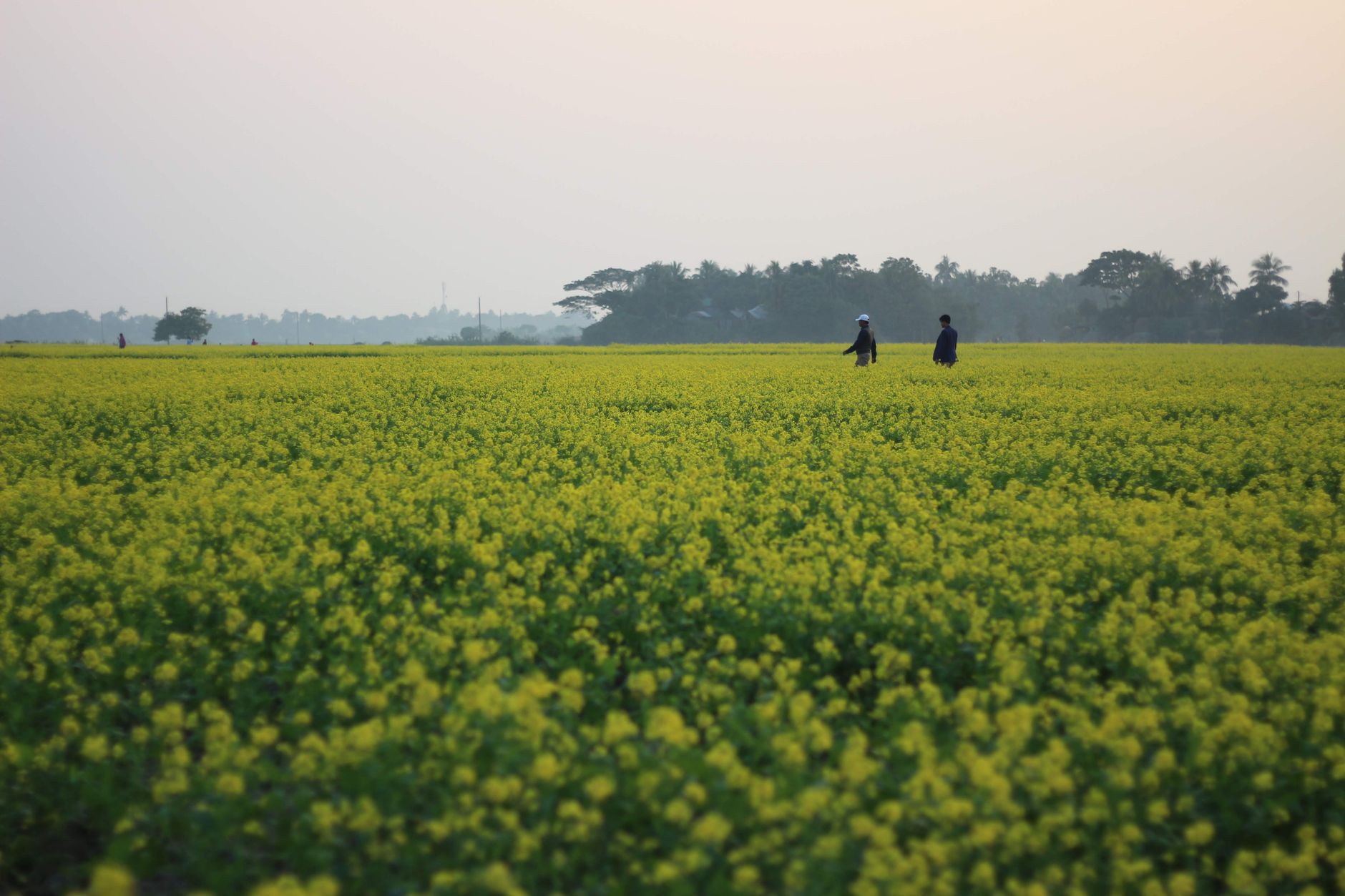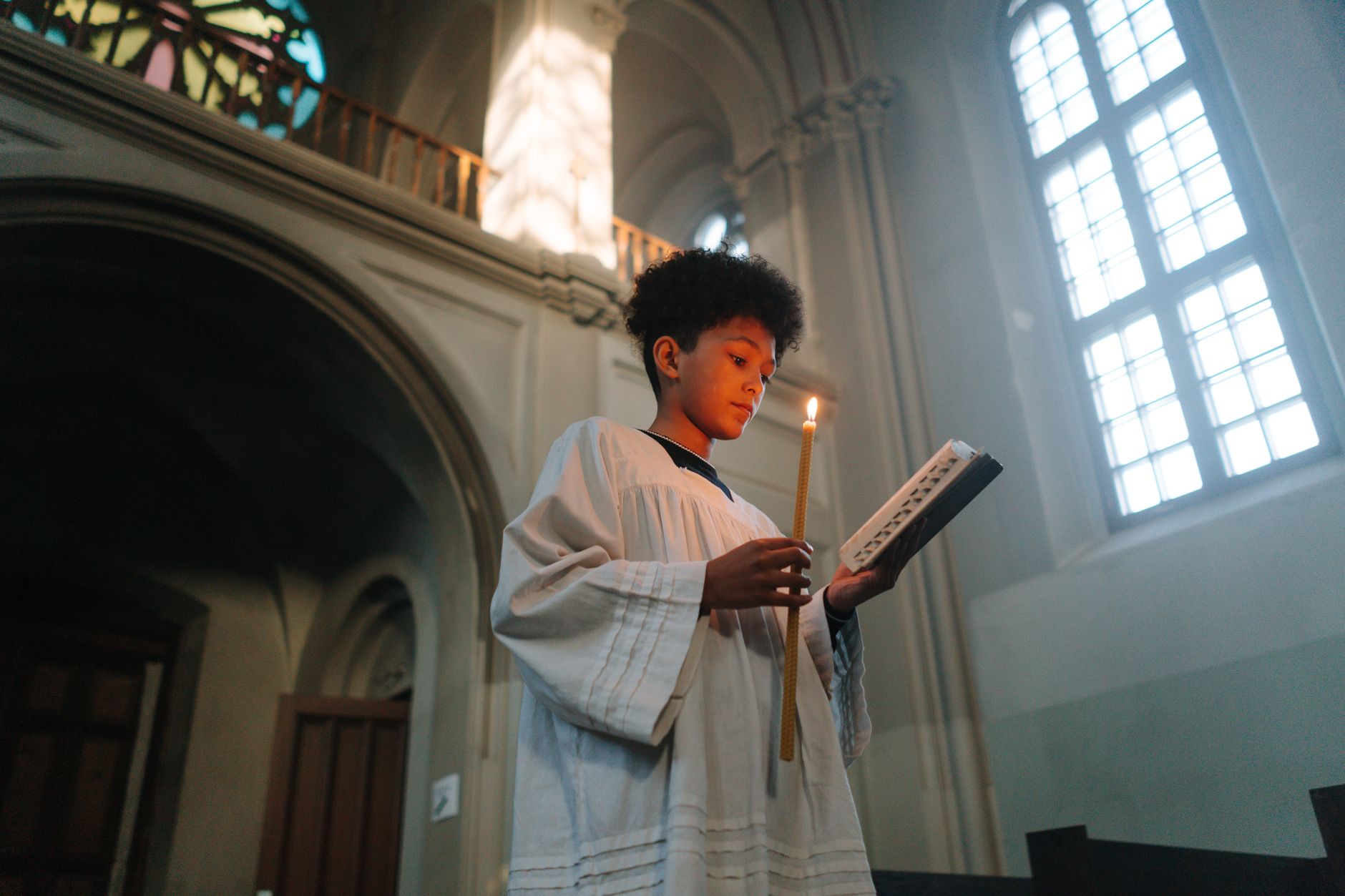
Have you ever stood in a field long enough to realize you’re not actually the one in charge?
It’s a strange feeling. We spend most of our lives acting like the CEO of our own existence, making spreadsheets in our heads, worrying about the quarterly earnings of our health, our relationships, our bank accounts. We think if we just pull the right lever, everything will stay upright. But then the summer heat hits a bit harder than expected, or a phone call comes in the middle of the night, and suddenly that sense of control feels very thin. Very fragile.
That’s when Psalm 23 stops being a pretty poem we recite at funerals and starts being a lifeline.
It’s easy to skim past David’s famous words because they’re so familiar. We hear them so often that they turn into wallpaper. The Lord is my shepherd; I shall not want. We nod. We agree. But do we actually believe it? Do we believe it when the "valley" isn’t merely a metaphor for sadness, but a literal place of danger and disorientation?
Let’s slow down. Let’s look at the texture of this ancient text. Because if we get it right, it alters how we treat each other. It transforms how we build community.
The Grammar of "I Lack Nothing"
Most translations say, "I shall not want." That’s a bit stiff, isn’t it? It sounds like a command from a distant king. The Hebrew, lo’ echsar, is softer. It’s closer to "I lack nothing" or "I have plenty."
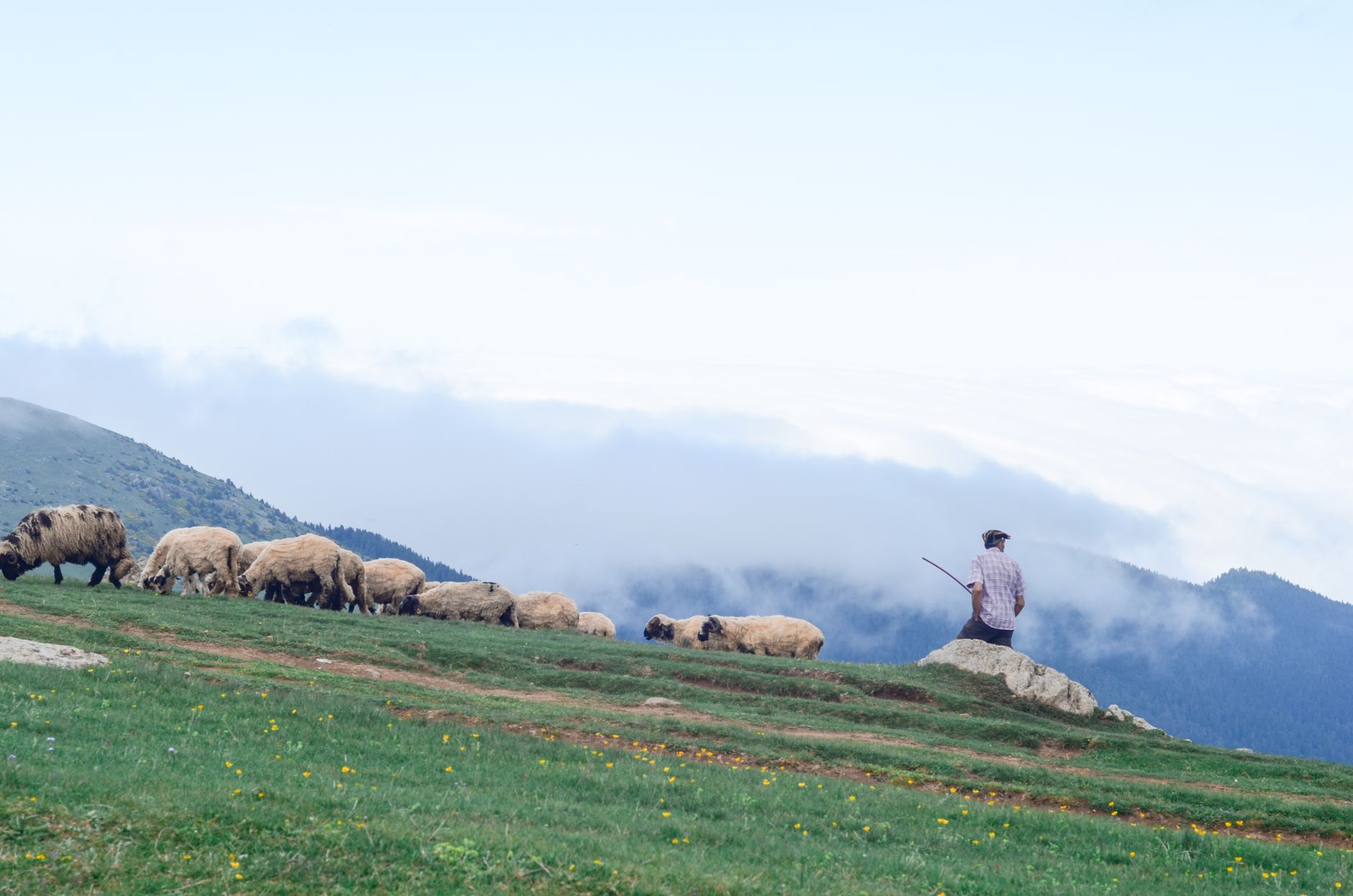
Here’s the thing about shepherds in the ancient Near East. They didn’t merely keep sheep alive; they kept them thriving. A shepherd who only fed his sheep so they wouldn’t starve was a bad shepherd. He had to lead them to green pastures—specifically, the best, lush grazing spots where the grass was tender and abundant. He had to lead them to still waters, where the water wasn’t rushing so fast it would sweep them off their feet, but clear and calm so they could drink and rest.
Think about that. The Shepherd provides rest. Not just sleep, but a deep, cellular kind of rest where the soul can settle.
And notice the subject. "The Lord is my shepherd." It’s not "The Lord will be." It’s present tense. It’s identity. David isn’t saying, "If I behave well, God will feed me." He’s saying, "Because God is my shepherd, I am already provided for."
This is the foundation. Before we talk about valleys or tables, we have to talk about provision. And not just provision of stuff, but provision of presence.
I’ll be honest, I’ve struggled with this verse for years. I used to read it when I was anxious, and it felt like a platitude. "Okay, God, You’re my shepherd, but You’re kinda busy with the universe. Can You check in on my mortgage payment?" It felt like the verse was ignoring the chaos.
But then I realized I was missing the middle part. The verse doesn’t say, "I shall not want comfort." It says, "He restores my soul."
Restoration isn’t just fixing what’s broken. In the Hebrew, shuv means to turn back, to return, to recover. It’s an active process. The Shepherd doesn’t merely drop a band-aid on you. He leads you out of the thicket. He guides you back to your center. He reminds you of who you are when you’ve forgotten.
That’s a big deal. Because if we’re going to build compassionate communities, we need people who know how to restore souls, not just fix problems. We need to be shepherds to each other, not just managers of other people’s time.
The Valley That Isn’t So Big
Now we hit the part everyone knows but few truly understand: The valley of the shadow of death.
The Hebrew is tsalmavet. It’s a compound word. Some scholars say it means "deep darkness." Others say it means "a place of deepest distress." But the root tsalmav is closely related to tsel, which means "shadow."
A shadow isn’t a thing. It’s the absence of light. It doesn’t have substance. It can’t bite you. It can’t hurt you. It’s just... dark.
So when David says he walks through the valley, he’s not saying he’s leaving the Shepherd. He’s saying the Shepherd is with him. The key phrase is You are with me.
Notice the shift in pronouns. In verses 1-2, it’s "He." "He makes me lie down." "He leads me." "He restores me." The Shepherd is the actor. But in verse 4, it becomes "You." "You are with me." The relationship has moved from observation to intimacy.
Why the shift? Because in the valley, you don’t merely observe God’s power. You experience His nearness.
We tend to think of the "valley" as a place of punishment or testing. But in Psalm 23, it’s just a place. And the Shepherd is there. He’s not waiting at the end of the valley to reward you for surviving. He’s walking right beside you, dragging you through the mud if he has to.
This alters how we view suffering. It doesn’t make suffering good. But it makes suffering shared.
And this is where we get to the practical part. How does this Psalm shape our communities?
If God is the Shepherd, and we are the sheep, then we’re all in this together. We’re all dependent. We’re all vulnerable.
Think about a modern flock. Sheep are prey animals. They panic easily. They get lost easily. They can’t defend themselves well. If you put a sheep in a room by itself, it’s terrified. It needs the flock. It needs the shepherd.
We’re the same. We were never designed to be lone wolves. We were designed for connection. But somewhere along the way, we started worshipping independence. We started thinking that needing help was a weakness.
Psalm 23 flips that. It says, "It’s alright to need a Shepherd." It’s alright to be led. It’s alright to be restored.
So, when we build communities—whether that’s a small group, a church, or just a tight-knit circle of friends—we have to create spaces where people can admit they’re in a valley. Where they don’t have to pretend they’re thriving when they’re barely surviving.
A compassionate community is one where the "shadow of death" isn’t a place you go alone. It’s a place you go together, knowing the Shepherd is already there.
The Table in the Presence of Enemies
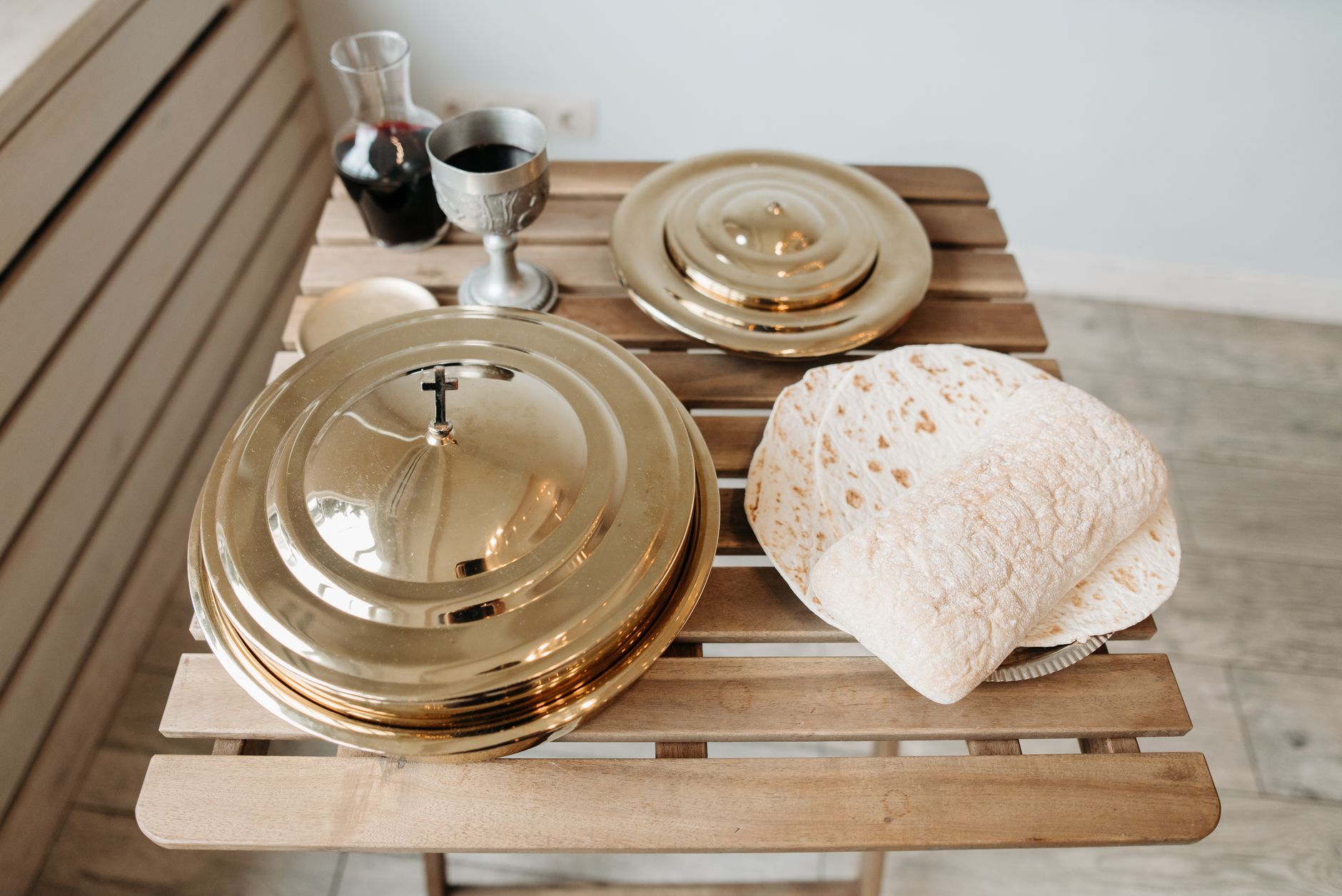
Verse 5 is wild. You prepare a table before me in the presence of my enemies.
Wait. What? You’re feeding me, right in the middle of the battlefield?
This isn’t merely about a nice dinner. It’s about victory. It’s about dignity. In the ancient world, sharing a meal was a covenant. It meant peace. It meant protection. When you ate together, you were bound.
But here, the Shepherd prepares the table while the enemies are watching. He’s not hiding us. He’s not taking us to a secret bunker. He’s putting us out in the open, at the head of the table, showing off the feast.
And what’s the cup? My cup overflows.
A cup overflowing is a sign of abundance. But it’s also a sign of joy. In the Old Testament, the "cup" often represented one’s portion or destiny. God’s portion is joy. It’s peace. It’s fullness.
So, even when the enemies are circling—even when the critics are loud, when the culture is hostile, when the anxiety is loud—we’re invited to sit down. We’re invited to eat. We’re invited to be full.
This is a radical call to community. We don’t merely pray for each other. We sit with each other. We break bread. We share our lives. We create a table wide enough for the outsider, the skeptic, the broken, and the believer.
And notice the enemies aren’t defeated by a sword. They’re defeated by feasting. By joy. By the undeniable reality that God is good.
The Goodness That Follows
Finally, verse 6. Surely goodness and mercy shall follow me all the days of my life, and I shall dwell in the house of the Lord forever.
The word follow is interesting. The Hebrew radaf can mean "pursue." So it’s not just that goodness and mercy are behind us, or around us. They are chasing us.
Even when we’re in the valley. Even when we’re stubborn. Even when we’re messy. Goodness and mercy are on our heels.
And the result? I shall dwell in the house of the Lord forever.
We don’t merely visit. We dwell. We make our home there.
This is the ultimate goal of community. Not just to get through the week. Not just to fix our problems. But to dwell together in the presence of God. To experience the fullness of His love, here and now, and forever.
So, what do we do with this? How do we live this out this week?
First, stop trying to be the shepherd. You’re not. You’re a sheep. And that’s alright. Admit it. Tell someone. Let them lead you a bit. Let them bring you to green pastures you wouldn’t have found on your own.
Second, create a "table" in your life. This week, invite someone into your space. Not for a meeting. Not for a discussion. Just to eat. To sit. To be present. Let them see your "enemies"—your stresses, your worries, your doubts. Let them see the real you. And then, let them witness the goodness that follows.
Third, remember that the valley is temporary, but the Shepherd is permanent. When you’re in the dark, don’t look for a sign. Look for the Shepherd. He’s already there. He’s already walking. He’s already holding His staff.
And you’re not alone.
The Wider Story
Psalm 23 starts with David, a man after God’s own heart. But it ends with us, a people being shaped by the same Spirit.
When we look at the whole story of Scripture, we see that Jesus is the ultimate Shepherd. He didn’t merely point to God; He was God with us. He laid down His life for the sheep. He entered our valley. He walked through the shadow of death on the cross. And He didn’t merely pull us out; He pulled us in.
He prepared the table for us in the presence of the enemy—the devil, sin, death. And He won.
So when we gather as a community, we’re not merely a social club. We’re a flock. We’re a family. We’re a people who know that no matter what valley we walk through, the Shepherd is leading us home.
And that alters everything.
It transforms how we treat the stranger. It changes how we handle conflict. It shifts how we see our own worth. We’re not alone. We’re not abandoned. We’re not forgotten.
We’re led. We’re fed. We’re loved.
So go ahead. Sit down. Eat. Rest. And let the goodness chase you down.