The most powerful thing in the universe is small enough to fit on the tip of your finger.
That’s the shock of it. We spend our lives looking for strength in size—tall buildings, loud voices, massive crowds. But Jesus flips the script with the Parable of the Mustard Seed. It’s not a story about magic. It’s a story about persistence. And right now, in this turning season of autumn, when the leaves are falling and the days are getting shorter, it feels like the perfect time to talk about what grows in the dark.
We often treat this parable as a quick bumper slide. “Have faith the size of a mustard seed!” Clap clap. Move on. But if you stop and look at the actual plant, the metaphor gets weird. In a good way.
The Problem: We’re Waiting for the Thunderclap
Let’s be honest for a second. Most of us don’t actually believe in the tiny grain.
Why? Because we’ve confused faith with spectacle. We expect the mountain to move while we’re still standing in front of it. We want the door to slam open. We desire the answer to arrive with a bang, like a package delivered right to the door, labeled Your Problem, Solved.
But here’s the thing about the seed. It doesn’t bang. It doesn’t slam.
It sits there. In the dirt. In the cold. In the silence.
And we hate silence. We fill it with podcasts, news alerts, worries about the future, regrets about the past. We are terrified of the quiet space where nothing seems to be happening. But that’s exactly where the growth is occurring. Underground. Invisible. Unseen.
I’ll admit it—I’ve struggled with this too. There were times in my spiritual life where I prayed, and I felt nothing. No warmth. No voice. Just... silence. I started to wonder if God was even listening. Did He even care? It’s a humbling kind of doubt, isn’t it? To realize that your expectation of a dramatic response wasn’t a measure of God’s power, but a measure of your own impatience.
The Promise: Smallness is Not Weakness
The Bible is pretty clear on what this seed represents.
— “What is it that I can compare the kingdom of God to? What shall I compare it to? A man scatters seed on the ground. Night and day, whether he sleeps or gets up, the seed sprouts and grows; he does not know how. All on its own, the earth produces fruit: first the stalk, then the head, then the full grain in the head. As soon as the crop is ready, the man harvests it, for the harvest has come.”
Notice the timeline. Night and day. Sleeping and waking. The farmer isn’t hovering over the soil with a flashlight, checking for progress every five minutes. He trusts the process. He knows what the seed is capable of, even when he can’t see it yet.
This is the core of the promise. Your faith might feel tiny right now. It might feel fragile. It might feel like it’s barely holding on. But that doesn’t mean it’s weak. It means it’s alive. A dead seed doesn’t have potential; it has rot. A living seed has tension. It has energy stored up, waiting for the right conditions to release.
God isn’t asking you to become a giant overnight. He’s asking you to remain faithful to the smallness you’re in right now. To water the seed when it’s dry. To cover it when it’s cold. To protect it when it’s vulnerable.
The Practice: Three Ways to Let It Grow
So how do we actually live this out? How do we stop expecting the thunderclap and start trusting the slow growth? Here are three concrete ways to practice the mustard seed faith this season.
1. Stop Checking the Soil
This is the hardest one. We love to check. We pray the same prayer ten times, hoping the eleventh time will be different. We read the same verse over and over, scanning for a new meaning. We analyze our feelings, trying to decode whether God is present or absent.
But the parable tells us the farmer doesn’t know how it happens. He just lets it.
Try this: Pick one specific area of your life where you’re anxious for change. Maybe it’s a relationship, a health issue, a career decision. Write it down. Then, for one week, commit to not analyzing it. Don’t journal about your feelings regarding it. Don’t ask friends for advice. Don’t search online for solutions. Just live. Eat your food. Walk outside. Sleep. Let the seed do its thing in the dark.
It will feel terrifying. You’ll feel like you’re neglecting the problem. But you’re not. You’re giving the Holy Spirit room to work without your noise drowning out His whisper.
2. Plant More Seeds Than You Think You Can Water
Here’s a counterintuitive idea. If you have energy for one act of kindness, do two. If you have time for one prayer, pray twice.
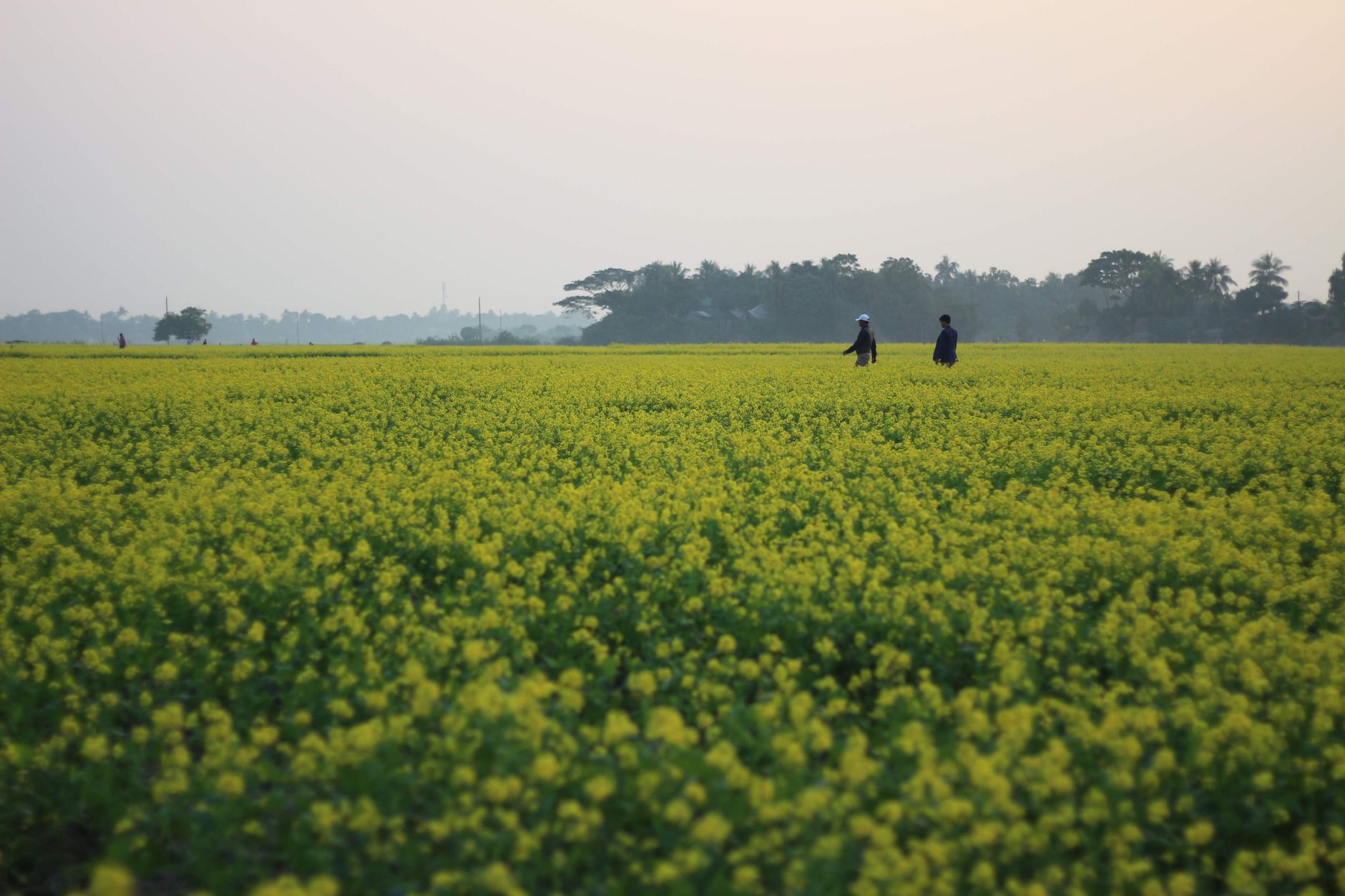
Why? Because the grain grows beyond what the farmer expects. It becomes a tree. Birds nest in it. It provides shade. It changes the ecosystem around it.
If you plant only what you think you can manage, you’ll never see the overflow. You need to plant generously, trusting that God will provide the nutrients you didn’t know you needed. This isn’t about burnout. It’s about generosity. It’s about saying, “Lord, here’s what I have. It’s not much. But take it. Make it more than I can hold.”
Start small. Send one text message to someone you haven’t spoken to in a while. Leave one extra dollar in a tip jar. Hold the door for one person. These are small acts. But they’re seeds. They’ll grow in ways you can’t predict. That person you texted might pray for you tonight. That tip might help a stranger buy groceries. That door might make someone feel seen.
3. Be Patient With the Delay
Finally, practice patience. This is the virtue that ties it all together.
The seed takes time. It doesn’t sprout instantly. It doesn’t grow to full height in a day. It requires seasons. Winter. Spring. Summer. Autumn.
We are in autumn right now. The year is turning. Things are changing. Leaves are falling. It can feel like decline. But it’s also preparation. The trees are shedding what they no longer need so they can survive the winter. It’s a time of surrender. Of letting go. Of trusting that what is lost now will return later.
Practice patience by expecting delay. When you pray, assume the answer will take longer than you want. When you serve, assume the recognition will come late, if at all. When you hope, assume the outcome will unfold slowly.
This doesn’t mean passivity. It means active trust. It means doing your best, and then releasing it into God’s hands.
A Prayer for the Small and the Slow
Lord, we appreciate the quiet things. We are grateful for the seeds that don’t announce themselves. We thank You for the work that happens underground, where no one can see it.
Forgive us for our impatience. Forgive us for wanting the mountain to move while we’re still standing in front of it. Help us to trust the process. Help us to water the seed when it’s dry, and cover it when it’s cold.
Give us the grace to let it grow. Even if it is slow. Even if it remains invisible. Even in the silence.
We trust You. We trust Your timing. We trust Your strength.
In Jesus’ name, Amen.