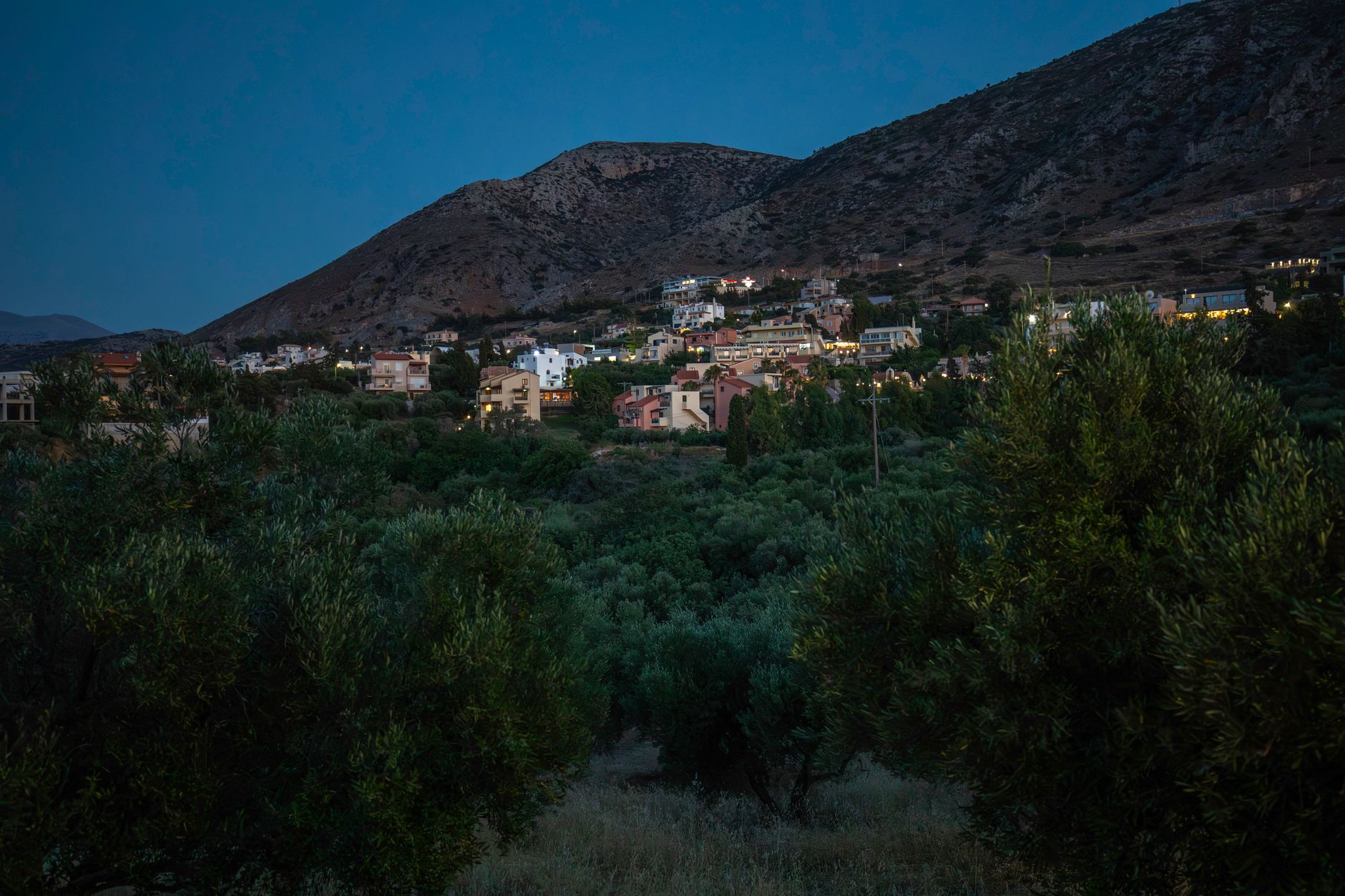
It’s easy to imagine the Garden of Gethsemane as a peaceful, moonlit retreat. After all, it was a place of olive trees, right? But here is the detail that usually surprises people when they look up the etymology: Gethsemane comes from the Aramaic Gat Shemanim. It doesn’t mean “Garden of Olives.” It means “Place of the Oil Press.”
Think about that. Jesus didn’t take His disciples into a scenic park. He took them into a factory floor. An oil press is a brutal, noisy, crushing machine. It’s where you put the fruit in and squeeze out the juice, leaving behind a dry, hard residue called pomace. It smells pungent. It’s messy. It’s work.
And in that place, Jesus fell on His face.
The Weight of the Face
We often talk about “bearing” our burdens, but the Greek word used in Luke’s Gospel for what Jesus did here is proskuneō. We translate it as “worship,” but literally, it means to bow the knee or fall prostrate. To prostrate yourself is to get as close to the ground as your body allows. Your forehead hits the dirt.
Why does the posture matter for stress management? Because modern anxiety keeps us vertical. We stand tall. We hold our heads high. We are “on guard.” When we are stressed, we are bracing against the incoming blow. We are fighting gravity, fighting the weight, trying to stay upright so we don’t collapse.
But Jesus chose the opposite posture. He lowered himself. He let the weight of the world press Him down until His cheek was on the stone. He wasn’t fighting the pressure; He was submitting to it.
This brings us to the core tension of the night. In , Jesus says,
— “Going a little farther, he fell with his face to the ground and prayed, ‘My Father, if it is possible, may this cup be taken from me. Yet not as I will, but as you will.’”
Notice the sequence. First, he asks for the removal of the cup. That is the human reaction. The “cup” represents the wrath of God poured out on sin. It tastes terrible. It burns. Every part of Jesus’ human nature wanted to say, “Dad, can we find another way? Can we skip the suffering?” And Jesus actually asked. He didn’t pretend he wasn’t afraid. He didn’t fake stoicism. He admitted the pain.
But then comes the pivot. “Yet not as I will, but as you will.”
This is the hinge of the whole passage. It’s the difference between wishing and surrendering. Wishing is saying, “I hope this goes away.” Surrender is saying, “If it has to stay, I’ll drink it.”
The Agony of Apoplexy
Let’s look at this through a second lens: the physical reality of what happened. Mark’s Gospel gives us a chilling detail that the other gospels omit.
— “He began to grow terrified, feeling utterly exhausted. So he said to them, ‘My soul is truly troubled, even to death. Stay here and keep watch with me.’”
The phrase “agony of apoplexy” is a translation of the Greek agonia psychos mou. Some scholars interpret apoplexy as a medical stroke—a sudden paralysis caused by a burst blood vessel. Others see it as a metaphorical expression of extreme anguish, meaning “my soul is in a state of collapse.”
Either way, the picture is the same. Jesus was sweating drops of blood. In medical terms, this is called hematidrosis. It happens when the tiny capillaries under the skin rupture due to extreme stress. The blood mixes with sweat. It’s rare. It’s painful. It’s visible.
Imagine being in that garden. You’re the one sweating blood. You’ve just told your friends to stay awake, and within ten minutes, they’re snoring. Peter, James, and John—the three closest men in your life—are asleep while you’re dying.
That’s a lot of pressure. That’s a lot of isolation.
And yet, Jesus didn’t scream. He didn’t rage. He kept praying. He kept asking. He kept aligning his will with the Father’s. He treated the agony not as an interruption of his relationship with God, but as the arena where that relationship was being forged.
This is the first lesson for us. Stress is not the enemy of prayer; it is the fuel for it. When things are going well, we pray because we want to share the good news. But when things are falling apart, we pray because we need someone to hold the pieces together. Gethsemane teaches us that the deepest prayers are often the ones spoken in the dark, when no one else is listening.
The Cost of the Oil
Now, let’s step back and look at the bigger picture. Why did God send Jesus to the oil press? Why couldn’t He just save humanity some other way?
This is where the second lens—history and theology—comes in. The Old Testament was full of sacrifices. Cows, goats, sheep. Blood was spilled on the altar every day. But none of those animals could truly pay for human sin. They were symbols. Pointers to something greater.
Jesus was that greater symbol. He was the final sacrifice. And to make it valid, it had to be perfect. It had to be voluntary. No one could force the Lamb of God to die. He had to choose to lay down His life.
That choice happened in Gethsemane.
Think about the alternative. If Jesus had said, “Okay, Dad, I’ll drink the cup, but only if you promise I’ll wake up in the morning and go home to my mom,” it would have been a deal. A transaction. “I suffer for eight hours; you let me live forever.”
But that’s not how it worked. Jesus drank the cup knowing He might not come out of it. He knew the cross was waiting. He knew the tomb was waiting. He went in with His eyes open.
And that’s what makes the oil press so heavy. It’s not just the physical pain of the crucifixion coming later. It’s the spiritual weight of carrying every sin that has ever been committed and every sin that ever will be committed. All of it. Piled on top of him. Pressing him down.
It’s like holding a bucket of water. At first, it’s fine. Then it gets heavier. Then it’s dripping on your shoes. Then you can’t lift your arms anymore. Then you drop it.
Jesus didn’t drop it. He held it until the end.
The Watch That Wasn’t Kept
There’s a third angle here that hurts a little. The disciples.
Peter, James, and John. They were the inner circle. They had seen the Transfiguration. They had heard Jesus say, “Watch and pray so that you will not fall into temptation.” And then what did they do?
They slept.
says,
— “Watch and pray so that you will not fall into temptation. The spirit is keen, but the flesh is weak.”
And yet, they fell asleep. Three times, Jesus woke them up. Three times, He found them sleeping. Their eyelids were so heavy because they were so tired. Or maybe because they didn’t understand how serious it was. Maybe they thought, “Oh, He’s just stretching. Let’s rest a bit.”
This is the part that stings. Because we do the same thing. We know we should be watching. We know we should be praying. We hear the voice of Christ saying, “Stay awake. I’m coming. Be ready.” And we nod. We agree. We even feel a little guilty.
But then the moment passes. We get distracted. We check our phones. We worry about our bills. We argue with our spouses. We scroll through social media until our eyes burn. And suddenly, the time is gone. And we’re still awake, but we’re not watching. We’re drowsy. We’re drifting.
The disciples’ failure isn’t just their shame. It’s a mirror. It shows us that even the closest followers can miss the moment. Even the ones who know the truth can lose track of the present. Even the ones who love Jesus can be too tired to stay up for Him.
And that’s okay. Because Jesus didn’t blame them. He didn’t say, “Look at you! I’m bleeding and you’re napping!” He woke them gently. He spoke to them kindly. He understood their weakness. He knew their flesh was frail. He expected them to stumble. He just asked them to try again.
So if you’ve fallen asleep in your spiritual life lately, don’t beat yourself up. Just wake up. Stretch. Shake off the drowsiness. Look at Jesus. See what He’s doing. See what He’s bearing. And then decide: are you going to join Him in the watch, or are you going to drift off again?
The Season of Letting Go
It is late autumn now. The leaves are turning brown and red and orange. The air is crisp and cold. The days are getting shorter. The nights are getting longer. The year is drawing to a close.
This is a season of finishing well. Of looking back with gratitude. Of packing up the things we no longer need. Of letting go of what we can no longer carry.
Gethsemane fits perfectly in this season. It’s about laying down our burdens before it’s too late. It’s about admitting that we can’t carry everything ourselves. It’s about trusting that God has a plan, even if it involves an oil press.
Maybe this year has been hard for you. Maybe you’ve felt crushed. Maybe you’ve sweated blood. Maybe you’ve fallen on your face in the dirt, begging God to take the cup away.
If so, you’re in good company. You’re in the garden. You’re with Jesus. And He’s teaching you the hardest lesson of all: that surrender isn’t defeat. It’s victory. It’s the only way the oil gets out. It’s the only way the fruit becomes juice. It’s the only way the life flows.
So tonight, when you go to bed, try this. Lie down. Close your eyes. Feel the weight of the blanket. Feel the coolness of the pillow. Think about the garden. Think about the press. Think about the sweat.
And then whisper it. Softly. Just for Him.
“Not as I will. But as You will.”
Then let go.
Let the year roll on. Let the leaves fall. Let the cup be drunk.
And rest.