Hope does not wait for the fog to lift. It stays in the room with you while it’s still dark.
Let’s get one thing straight before we dive into the theology: hope isn’t a feeling. It’s not that warm, fuzzy sensation you get after a good cup of coffee or a phone call with a friend. Hope is a muscular thing in the Christian life. It’s something you do when your body wants to collapse, when the diagnostic report is thick with bad news, and when the silence of God feels deafening.
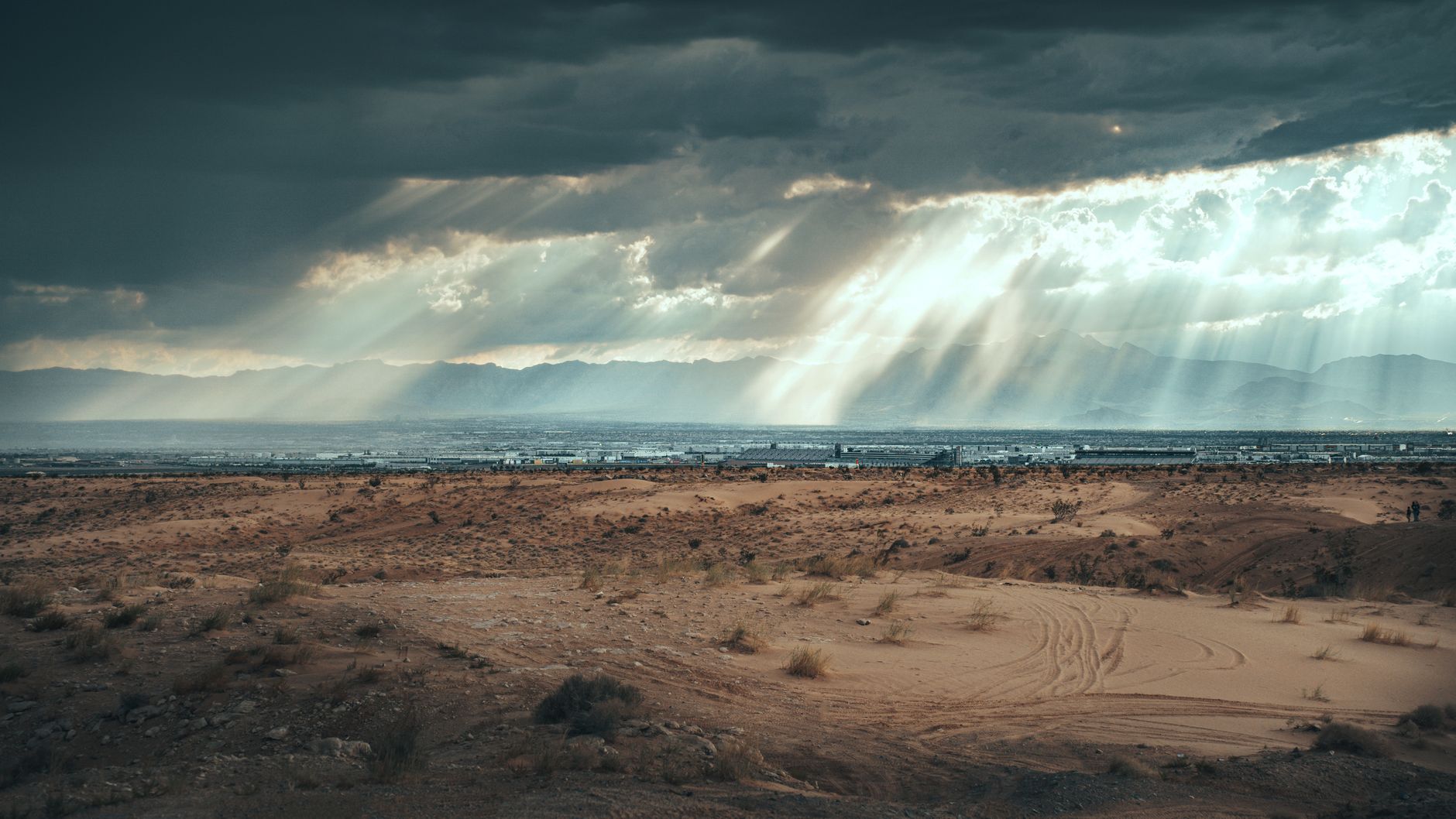
We’re in late autumn right now. The days are getting shorter. If you’ve spent any time outside this week, you know that specific heavy feeling of the sun dipping below the horizon earlier than it did a month ago. It’s a season that naturally lends itself to looking back, but for many of us dealing with physical decline or chronic pain, it also brings a creeping sense that the light is leaving. We worry about what winter will look like for our bodies, our wallets, or our minds.
But there is a narrative in Scripture that refuses to end with the sunset. It’s the story of Job. And honestly, it is one of the hardest texts to sit with because it doesn’t offer a quick fix.
The Man Who Lost Everything (and Kept Talking)
Job is the ultimate "before and after" story, but not in the way you might expect. He doesn’t start broken and end fixed. He starts with everything—wealth, status, health, children—and loses all of it in a single, catastrophic sweep. Then he sits in a pile of ash for years, sores covering his skin, waiting for an answer that never comes in the way he wants it to.
This is where we often stumble. We want Job’s story to end with the restoration of his fortunes, and yes, it does (). But the heart of the story isn’t about the money or the livestock coming back. It’s about what happened in the middle, in the dark.
Job had friends who came to comfort him. Eliphaz, Bildad, and Zophar. They sat with him for seven days without speaking (). That was good. But then they started talking. And oh boy, did they talk. They brought a bag of theological answers that tasted like ash. "You must have sinned to deserve this," they basically said. "God only punishes the guilty."
Job pushed back. And this is the key. He didn’t stop hoping because he was in pain. He hoped despite the pain. He kept asking questions. He kept looking for God, even when the answers were confusing.
There’s a Greek concept that helps us understand this, though Job is in Hebrew. The idea of elpis (hope) in the New Testament, and its Hebrew counterpart tikvah, isn’t just optimism. It’s a rope thrown across a chasm. You hold onto it even when you can’t see the other side. Job was holding that rope while sitting in filth and agony.
I’ll be honest with you. I’ve read Job before, but for a long time, I felt nothing when I got to the chapters where his friends were being rude. I skipped ahead to the restoration. I treated it like a highlight reel. It wasn’t until I spent a few months in a physical slump—where my body just felt like it was working against me, where the "finish line" of the year felt impossibly far away—that I understood. The dark isn’t a mistake. It’s often the place where hope actually gets built.
What Hope Actually Looks Like in a Body That Hurts
When we talk about physical wellness through a Christian lens, we often get stuck in two extremes. One side says, "Just pray harder and the pain will leave." The other says, "Your body is a temple, so if you’re sick, you didn’t keep it clean enough." Both are painful. And both miss the point of what Jesus did with bodies.
Jesus healed people certainly. He restored sight to the blind and strength to the withered hand. But He didn’t heal everyone who asked. The man by the pool of Bethesda had been sick for thirty-eight years (). Jesus didn’t just say, "Walk." He asked a piercing question: "Do you want to be made well?"
That question is the hinge of our hope. It’s not about whether we’ll be cured by next Tuesday. It’s about whether we still want to engage with life, with God, and with each other while the pain is there.
Here’s a concrete practice that has helped me (and others) when physical wellness feels like it’s slipping away: The Psalm of Complaint.
Psalm 13 is short. Four verses. And it’s raw. David starts by shouting, "How long, O Lord? Will you forget me forever?" (). He talks about his enemies. He says, "Consider and answer me, O Lord my God." ().
Most of us are terrified to say that. We think if we admit we’re tired, or angry at God for the pain, we’ve lost our faith. We don’t. David didn't. He raged first. Then, in verse 5, he shifts. "I trust in your steadfast love; my heart rejoices in your salvation."
See the movement? Anger first. Trust second. Not the other way around. You don’t have to fake a smile in the dark. You can grieve your body’s limitations, you can be frustrated that the year is ending and you feel like you haven’t "finished" anything, and then you can rest in the fact that God’s love is steadfast. It doesn’t change with your blood pressure or your joint pain.
The Winter Is Not the End of the Story
We are living in a season that mirrors this. It’s late autumn. The year is drawing to a close. In the physical world, this is often when illness spikes—flu season, colds, aches. It’s when we look back at our goals and see the gaps.
But here is the surprising contrast: In nature, winter is not death. It’s dormancy. It’s the time when the tree drops its leaves so it can survive and grow again in the spring. The roots aren’t dying; they’re going deeper, consolidating, preparing.
When your body is in a season of decline or maintenance, try to see it through that lens. You are not wasting away. You are rooting down.
I used to think hope was about the destination. I wanted the finish line. But Jesus taught that the kingdom is like a mustard seed (). It starts tiny. It’s unassuming. It looks kind of pathetic at first glance—a speck in the dirt. But it grows. And what makes it grow isn’t always visible from the outside.
So, if you are reading this and your body is tired, if your mind is foggy with worry about what next year holds, or if the shortening days are making you feel a bit more fragile than usual: You don’t have to be strong. You just have to not let go of the rope.
You can sit in the ash. You can ask God, "How long?" And then, when you’re ready, you can whisper back, "I trust Your unchanging faithfulness."
That is enough. For today, it is more than enough.
Lord, I won’t pretend the dark isn’t here. My body is tired, and the end of this year feels heavy in a way I can’t fully explain. But I remember that You were with Job in the ash, and You are here in mine. Teach me to trust Your enduring grace even when I can’t see the path forward. Help me rest in this season, knowing that what is hidden now will bloom when the time is right. I hold on to You. Amen.