Martin Luther King Jr's Legacy
This civil rights icon was a minister, leader, and activist who dedicated his life to promoting love and justice for all. His legacy remains a powerful force, shaping the course of social justice movements and motivating people to work towards a more equitable society. For instance, his commitment to nonviolent resistance has influenced generations of activists, from the anti-apartheid movement in South Africa to the modern-day struggle for racial equality in the United States. As I reflect on his life, I am reminded of the profound impact one person can have on the world, and it inspires me to think about how we can each make a difference in our own communities. I've seen this impact firsthand in my own neighborhood, where a small group of volunteers has been working to establish a community garden, providing access to fresh produce and a shared green space for people from all walks of life.
Life and Legacy
Born on January 15, 1929, in Atlanta, Georgia, Martin Luther King Jr. grew up in a family that valued education and activism. His father, Martin Luther King Sr., was a leading Baptist minister and civil rights activist, and his mother, Alberta Williams King, was a schoolteacher and activist. King Jr. attended Morehouse College in Atlanta, where he studied sociology and theology, and later earned a Ph.D. from Boston University.
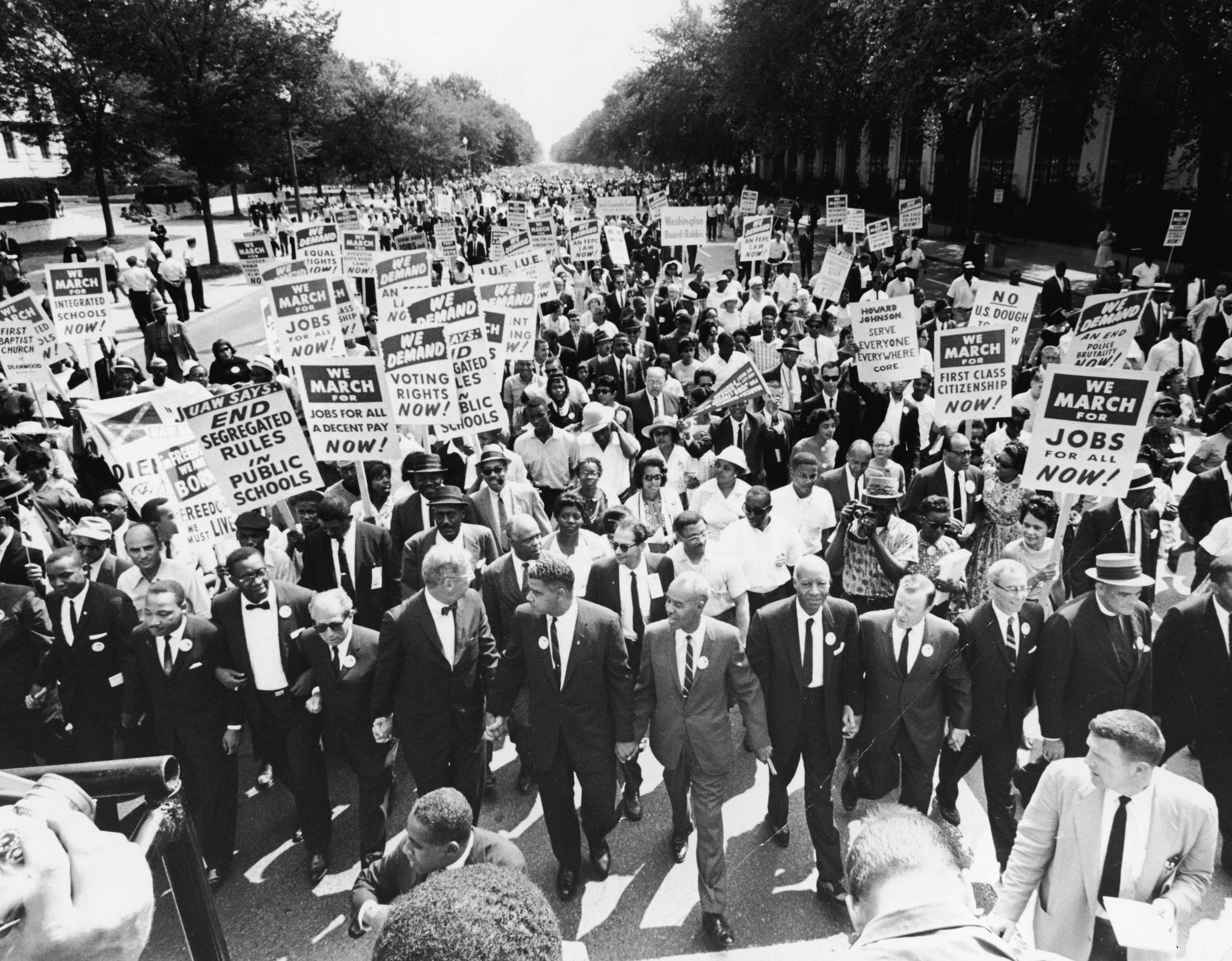
King Jr. began his career as a minister in Montgomery, Alabama, where he became known for his activism and leadership. In 1955, he helped organize the Montgomery Bus Boycott, which challenged the segregation of public transportation and galvanized the movement for racial equality. He went on to lead other campaigns, including the Selma to Montgomery marches and the Poor People's Campaign, which called for economic and social justice for marginalized communities. The success of these efforts can be seen in the way they brought people together, as when thousands of people from different backgrounds marched side by side, demanding a more just society.
As a prominent figure in the struggle for human rights, his words and actions resonated with people across the country and around the world. He was awarded the Nobel Peace Prize in 1964, and his iconic speech at the March on Washington for Jobs and Freedom in 1963 is considered one of the most influential speeches in American history.
Quotes and Speeches
He was a master orator, and his speeches and writings remain a source of motivation for those seeking to create a world where everyone is treated with dignity. Here are some of his most famous quotes and speeches:
-
"We must learn to work together as brothers, whether we are black or white, Protestant or Catholic, Jew or Gentile."
-
"Injustice anywhere is a threat to justice everywhere."
-
"We shall overcome."
-
"I have a dream that one day this nation will rise up and live out the true meaning of its creed: 'We hold these truths to be self-evident, that all men are created equal.'"
-
"I envision a future where every valley is exalted, every hill and mountain is made low, the rough places are made plain, and the crooked places are made straight; 'and the glory of the Lord shall be revealed, and all flesh shall see it together.'"
Legacy and Impact
The impact of his work is still felt today, as people from all walks of life draw on his principles to challenge unjust systems and push for a fairer, more compassionate world. The civil rights leader's efforts helped pave the way for important legislation, including the Civil Rights Act of 1964 and the Voting Rights Act of 1965, which protected the rights of marginalized communities. The power of his nonviolent resistance strategy has been demonstrated time and again, as ordinary people achieve extraordinary things through courage, perseverance, and a commitment to what is right. This legacy of peaceful activism continues to inspire new generations of leaders and activists, who are working to address the ongoing challenges of racial inequality and social injustice in their own communities, from advocating for policy changes to supporting grassroots initiatives that promote equality and understanding.
He is remembered as a leader who embodied the values of compassion, equality, and human dignity, and his words continue to motivate people to stand up for what is right, even when it is difficult. The effects of his life's work are evident in the many lives he touched and the countless people he influenced to work towards a common goal of a world where everyone has the opportunity to thrive, and this enduring impact is a direct result of the difference he made in the lives of so many people.