The Fruit of the Spirit: Stop Producing, Start Abiding
It’s Tuesday morning. You’re stuck in traffic, the coffee in your cup is lukewarm, and the brake light in front of you has been red for what feels like an eternity. Your phone buzzes with an email from your boss—urgent, slightly aggressive, the kind that makes your stomach drop.
Inside, you’re screaming. Outside, you’re smiling.
We’ve all been there. That split second where you have to choose: do you let the irritation win, or do you let the Spirit win?
This isn’t about putting on a happy face. It’s not about gritting your teeth and forcing a polite smile until you can get home and vent to your spouse. It’s about a fundamental shift in who is driving the car.
Paul didn’t write Galatians 5 to give us a checklist for moral improvement. He didn’t say, "Here is your to-do list for being a good Christian." He wrote it to describe the natural output of a life that has been grafted into Christ. He called it the fruit. Singular. Not fruits.
One harvest. One vibe. One unmistakable aroma that says, Jesus is real here.
The Myth of the Checklist
We tend to treat the Fruit of the Spirit like a menu at a diner. We look at the list in and start checking boxes.
"But the fruit of the Spirit is love, joy, peace, forbearance, kindness, goodness, faithfulness, gentleness and self-control. Against such things there is no law." ()
See if you can spot the trap. We read "love," we read "joy," we read "peace," and suddenly we think these are nine separate things we need to manufacture. We try to produce love. We try to manufacture peace. We try to force self-control.
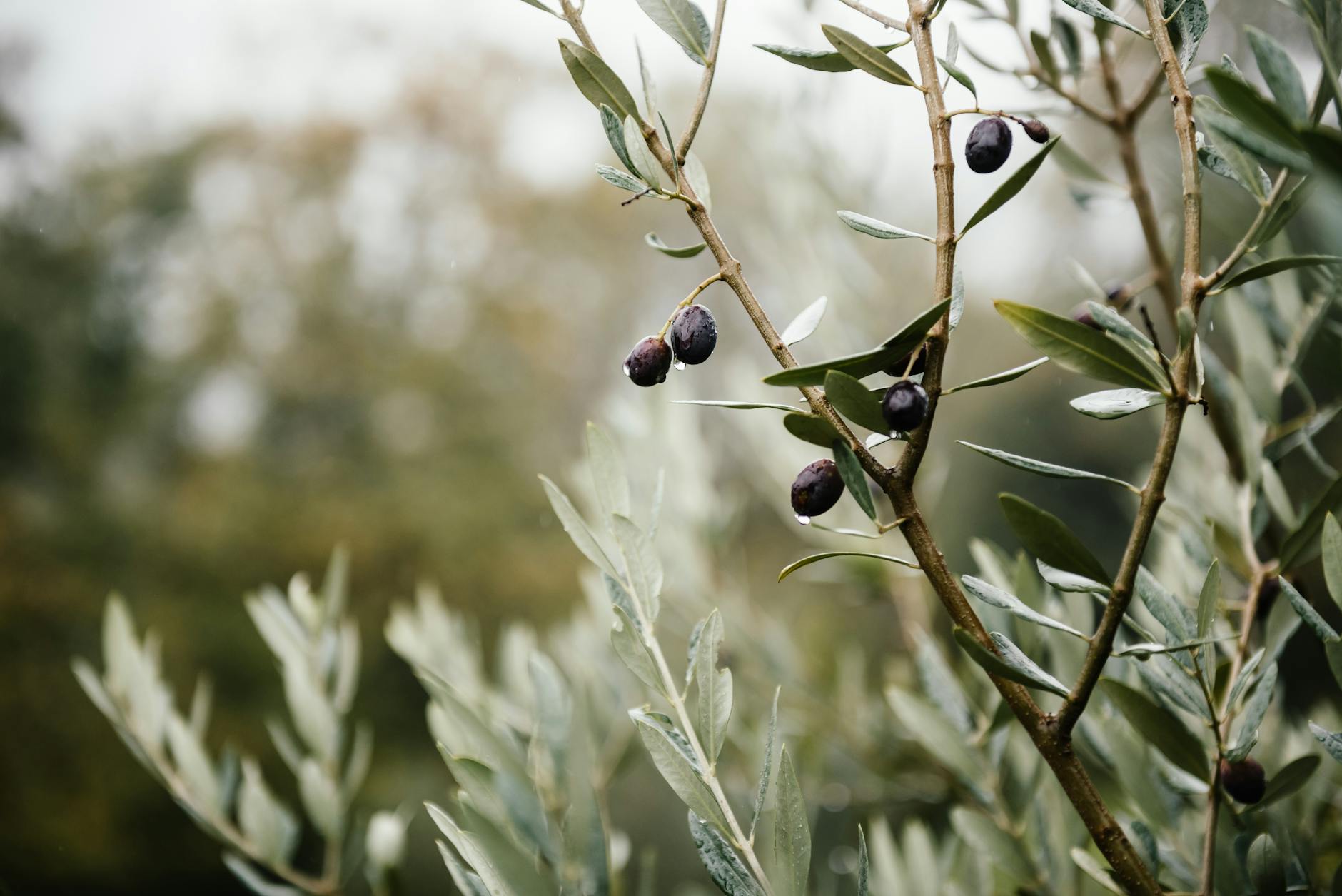
But fruit doesn’t force itself. An apple tree doesn’t strain and grunt and sweat to push out an apple. It simply abides. It stays connected to the vine, and the life of the vine flows through it, and the fruit appears.
The Greek word Paul uses is karpos. It’s organic. It’s the result of a relationship, not the result of effort.
I’ll be honest—I’ve spent years trying to "produce" kindness. I’d force myself to be nice to the difficult coworker. I’d bite my tongue until it bled. I’d tell myself, Be kind. You’re a Christian. Act like it. And then, when I finally got home, I was exhausted. Not because I’d done hard work, but because I’d been running on empty. I was trying to generate holy electricity with my own batteries.
It’s tiring. It’s unsustainable. And frankly, it looks a lot like hypocrisy to the people watching us.
The weeks after Easter remind us that the resurrection wasn’t just a historical event that happened two thousand years ago. It’s the inauguration of a new kind of life. Jesus didn’t just die to save us from hell; He rose to live in us. The Holy Spirit isn’t a force we tap into; He is the Person who takes up residence.
So, when we talk about the Fruit, we aren’t talking about moralism. We’re talking about manifestation. We’re talking about what happens when the divine life spills over into the mundane, messy moments of our Tuesday mornings.
Love: The Engine, Not the Exhaust
The first item on the list is love. Agape.
We use the word "love" so loosely it’s lost its weight. We love pizza. We love our dogs. We love our spouses (sometimes). But agape is a decision to seek the highest good of another, regardless of their merit.
It’s the engine that powers the rest of the fruit. Without it, joy is just hedonism. Peace is just numbness. Patience is just endurance.
Think about how we usually handle conflict. We wait for the other person to be "lovable" before we extend grace. We wait for them to apologize. We wait for the traffic to clear, the kids to be quiet, the boss to be reasonable.
But the Spirit’s love doesn’t wait for conditions to be met. It initiates.
It’s the difference between a transaction and a relationship. A transaction is: I love you because you made me happy. A relationship is: I love you because I chose to, and your happiness is my priority.
This is where the rubber meets the road. When your spouse leaves the cap off the toothpaste, or your teenager ignores you, or your friend forgets your birthday—that is where agape is tested. It’s easy to love people who love you back. It’s much harder to love the person who just cut you off in traffic.
And here’s the scary part: You can’t do it alone. If you’re trying to love your enemies by sheer willpower, you will burn out. But if you’re connected to the Vine, that love flows through you. You become a conduit. You stop being the source, and you start being the channel.
It changes everything. Suddenly, you’re not just tolerating that annoying person; you’re actively praying for their joy. You’re not just enduring the delay; you’re using the time to listen to God. That’s not willpower. That’s the Spirit.
Joy: The Deep Water
Next is joy.
We often confuse joy with happiness. Happiness is external. It’s dependent on circumstances. If your team wins, you’re happy. If you get a promotion, you’re happy. If it rains on your picnic, you’re unhappy.
Joy is internal. It’s grounded in who God is, not what God gives.
The Hebrew word for joy, simcha, often carries the connotation of inner gladness that persists even in the face of adversity. It’s the joy that celebrated when Daniel was thrown into the lion’s den. It’s the joy that sustained Paul and Silas when they were beaten and thrown into prison.
Why? Because their circumstances hadn’t changed. The lions were still hungry. The chains were still tight. But they had changed. They were filled with the Spirit.
This is the counter-cultural shockwave of the Christian life. We live in a world that is constantly chasing the next high, the next purchase, the next validation. We are a culture of addicts, chasing the dopamine hit of "more."
But the Spirit offers a deep water. A well springing up to eternal life.
When you walk in the Spirit, joy becomes your armor. It’s not a denial of pain. Jesus wept. Jesus grieved. But even in the garden of Gethsemane, before the cup was passed, there was a joy set before Him. The joy of restoring the world. The joy of seeing His bride.
That’s the lens. When you view your struggles through the lens of eternity, joy becomes possible in the midst of the storm. It’s not a feeling that you manufacture; it’s a reality that you access.
Peace: The Anchor in the Chaos
Then there is peace. Shalom.
Not just the absence of war. Not just a quiet mind. Shalom is wholeness. It’s completeness. It’s the integration of your spirit, soul, and body under the rule of God.
We live in an age of anxiety. The news is a constant drumbeat of doom. The economy is shaky. Health scares loom. It’s easy to feel like we’re standing on shifting sand.
But the Spirit produces a peace that "transcends all understanding" (). It guards our hearts and minds.
This peace isn’t passive. It’s active. It’s the calm in the eye of the storm. It’s the ability to breathe when everything else is screaming.
I remember a time when my father was in the hospital for a major surgery. The waiting room was sterile, white, and quiet. My mind was racing. What if something goes wrong? What if it’s worse than they said?
Then, I stopped trying to fix it. I stopped trying to control the outcome. I just rested in the fact that He who holds the universe together also held my father’s life.
The peace didn’t remove the anxiety immediately. It didn’t make the wait shorter. But it anchored me. It kept me from spinning into panic. It allowed me to be present, to pray, to hold my mother’s hand.
That’s the gift of the Spirit. It doesn’t always change the situation. But it always changes us. It makes us stable. It makes us reliable. In a world of chaos, the people who walk in the Spirit are the ones who remain steady.
The Rest: Kindness, Goodness, Faithfulness, Gentleness, Self-Control
The final five are the practical outworking of the first three.
Kindness is love in action. It’s the tangible expression of care. It’s noticing the small things. It’s the extra mile. It’s the smile that costs nothing but means everything.
Goodness is moral excellence. It’s integrity. It’s doing what’s right when no one is watching. It’s the alignment of our character with God’s character.
Faithfulness is reliability. It’s showing up. It’s keeping your word. It’s being someone others can count on, not because you’re perfect, but because you’re consistent.
Gentleness is strength under control. It’s not weakness. It’s the power of a lion restrained by a whip. It’s the ability to handle pressure without snapping.
Self-control is mastery. It’s the ability to say no to the immediate gratification for the sake of long-term obedience. It’s the fruit that proves we are not slaves to our impulses.
These aren’t virtues we achieve. They are virtues we allow.
We allow the Spirit to prune us. We allow Him to refine us. We allow Him to shape us.
The After-Easter Reality
The weeks after Easter are a reminder that the tomb is empty. Death has been defeated. The old life is gone. The new life has begun.
But we still live in the "already but not yet." We are saved, but we are still being sanctified. We are holy, but we still sin. We have the Spirit, but we still struggle.
So, what does it look like to live in this tension?
It means stopping the grind. Stop trying to produce the fruit by your own power. Stop trying to force the love, the joy, the peace.
Start abiding.
Spend time in the Word. Listen for His voice. Obey the small promptings. Let the life of Jesus flow through your ordinary, mundane, messy days.
When you fail—and you will—don’t retreat into shame. Retreat into grace. The Spirit is not frustrated with you. He is working in you.
"For God has not given us a spirit of fear, but of power and of love and of a sound mind." ()
That’s the promise. Not just for the super-spiritual elite. Not just for the pastors and the missionaries. But for you. For me. For the person reading this in their car, in their kitchen, in their office.
We are called to be a people of the Spirit. A people who look different. A people who love deeper. A people who stand firm.
The world is watching. They don’t need our arguments. They don’t need our debates. They need to see the fruit.
They need to see a life that is marked by love, joy, and peace. A life that is grounded, not shaken.
So, ask yourself this: What does your life smell like?
Is it the sour stench of your own effort? Or is it the sweet aroma of the Spirit?
The choice is yours. But remember, you can’t make the choice alone. You need the Vine. You need the Spirit.
And He is waiting.