There’s a detail in Jesus’ parable that most people miss because they’re waiting for the moral.
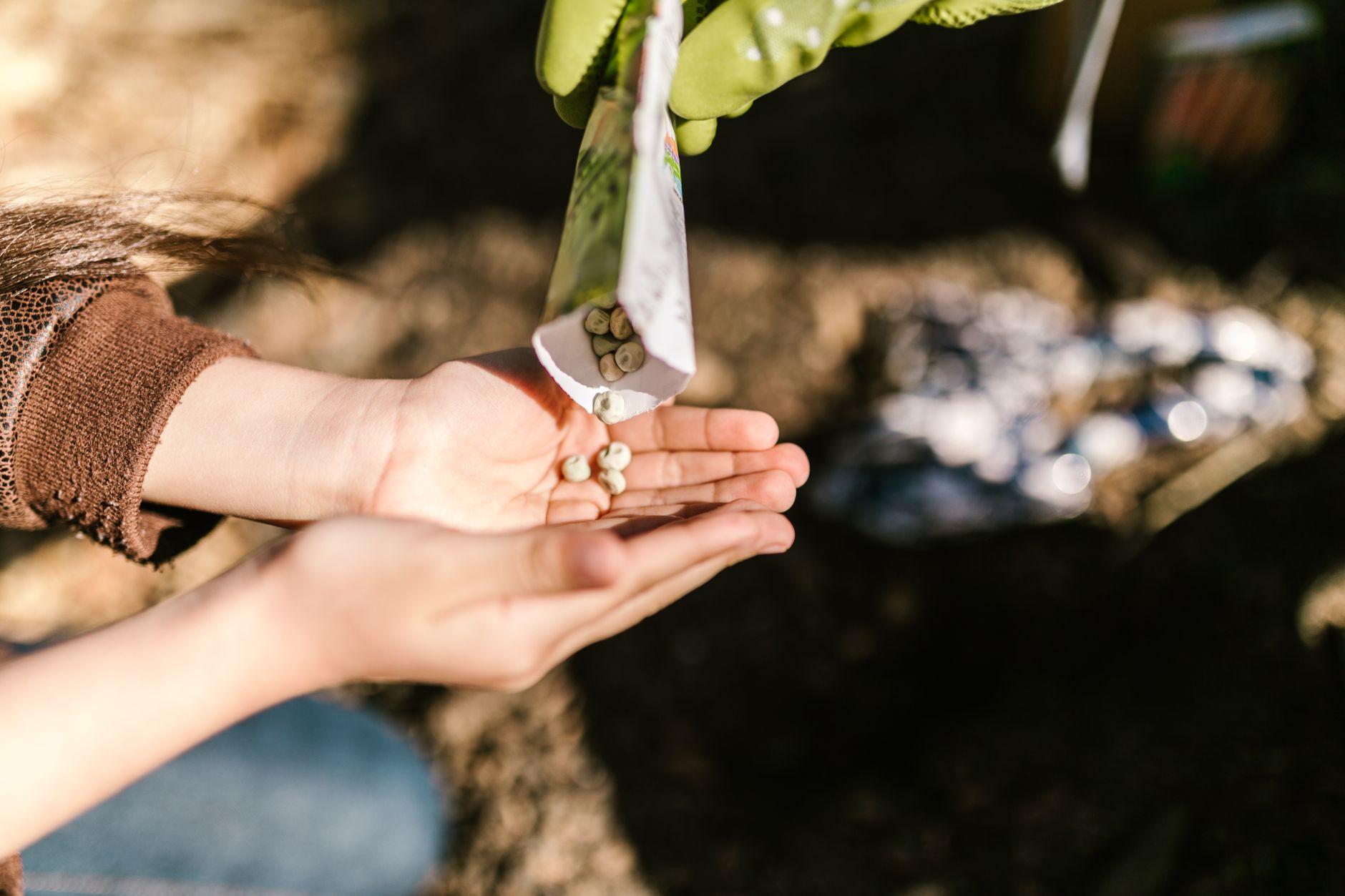
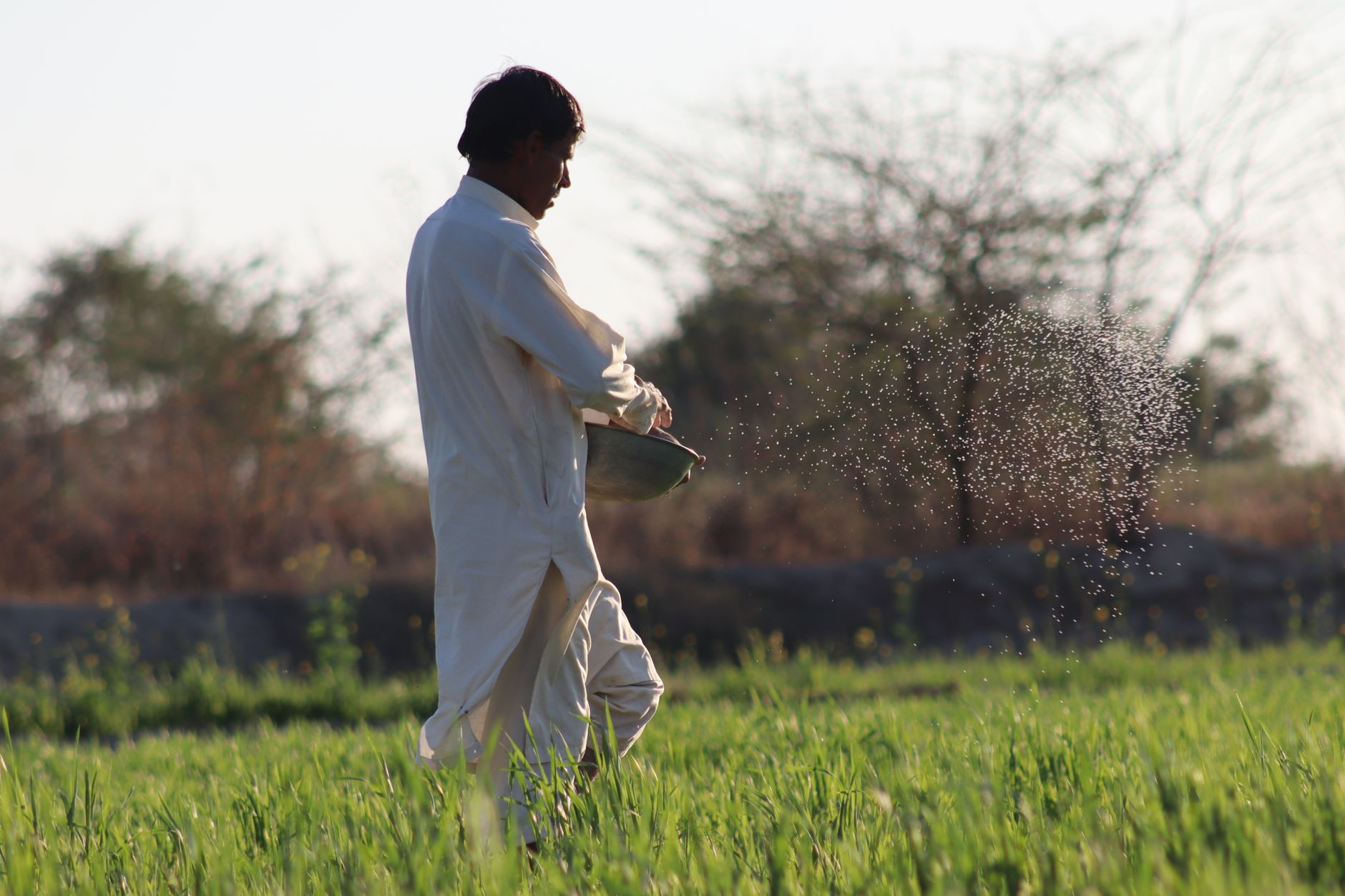
He says, “The seed is the word of God.” Then he describes four places it falls. Hard ground. Rocky soil. Among thorns. Good earth.
Most of us read that and think about the seed. We ask, Is my faith strong enough? Am I receiving His word?
But look closer. Jesus isn’t really teaching us about the seed. He’s teaching us about the soil.
The message doesn’t change. The word of God is constant, unchanging, and potent whether you’re in a penthouse or a prison cell. What changes is the ground it lands on. And that ground? That’s us. Our histories, our wounds, our distractions, the layers of dirt we’ve accumulated over decades.
This is late autumn now. The trees are bare. The light hits the ground at a low angle, making everything look longer, sharper. It’s that time of year when we naturally look back. We audit the past twelve months. Did any good take root? Or did it all just wash away with the rain?
If you’ve been feeling like your faith is a series of small, quiet failures rather than grand victories, this parable is for you. It’s a strange comfort.
The Problem: We Think Growth Should Be Visible
Here is the lie we tell ourselves: If I’m not growing, I must be dying.
We measure our spiritual lives like we measure crops in a field. We want to see the green shoots punching through the dirt. We want proof of progress.
But Jesus tells us that most of the time, the seed is doing its work in the dark.
Consider the “rocky soil.” Jesus says these are people who hear the word and immediately receive it with joy, but because they have no root in them, they are only for a time. When trouble or persecution comes on account of the word, at once they fall away ().
I’ve been there. I remember a Sunday morning years ago where I walked out of church feeling electric. The sermon hit me right in the chest. I drove home humming hymns. For three days, I was on fire.
Then Monday came. My boss yelled at me. My car broke down. I forgot to pay a bill. And by Wednesday, that Sunday’s joy was gone. Evaporated. It turned out I hadn’t planted the seed in my heart; I’d just let it sit on top of a layer of anxiety and performance.
We often confuse intensity with depth. We think if it doesn’t feel like a flood, it isn’t water. But roots don’t need the sun to grow. They just need darkness and time.
If you feel stagnant right now, if you can’t spot a single sprout in your spiritual garden, don’t panic. That doesn’t mean the seed failed. It might just be that your soil is rocky, and you’re judging the subterranean work by the surface view.
The Promise: God Knows Your Specific Dirt
This is where it gets personal, and a little uncomfortable.
Jesus describes three failing soils. Hard ground (where birds eat it). Rocky soil (shallow roots). Thorns (choked by worries of this life and the lure of riches, ).
Notice that none of these soils are "bad" in a moral vacuum. Hard ground is just compacted earth, usually from being walked on too much by heavy boots. Rocky soil is often found in new areas where the earth hasn’t settled yet; it’s unstable, prone to breaking. Thorns are just plants that compete for resources.
These aren’t sins in the way we usually define them (like pride or lust). They are conditions.
- Hard ground refers to the soul that has been trampled by trauma, criticism, or repeated failure until it became calloused. You stop letting things in because they’ve hurt you too many times.
- Rocky soil characterizes the heart that loves God but lacks depth. It’s enthusiastic but fragile. It thrives in good times but cracks under pressure because there’s no history underneath it to anchor it.
- Thorny soil describes the spirit that loves God but also loves everything else equally. It’s not a lack of faith; it’s a competition for attention. The “worry” and “lure of riches” aren’t just money; they are any distraction that siphons off the water and nutrients meant for the word.
The promise here is that God sees this fragmentation. He doesn’t look at your hard, thorny mess and say, “You’re disqualified.”
He looks at it and says, “I know what’s under that layer. I’m waiting for you to break it up.”
The Parable of the Sower is not a test. It’s a diagnosis. And it ends with hope: “Whoever has ears, let him hear.” It implies that the transition from bad soil to good earth is possible. It’s not a genetic trait you’re born with; it’s a condition you can change.
The Practice: Three Ways to Loosen the Dirt
So, how do we actually get from rocky or thorny soil to good earth? It’s not a one-time event. It’s a slow, sometimes painful process of tilling.
1. Identify Your "Thorns" (The Competition for Attention)
Jesus is blunt about the thorns: “the worries of this life and the lure of riches” ().
This is often where I struggle. I’ll be reading Scripture, and my mind will drift to an email I need to send, or a bill due next week, or what’s for dinner. The word enters my ear, but it gets choked out by the sheer volume of noise in my head.
Practically, this looks like attention hygiene. Before you read your Bible or pray, give yourself permission to set the other stuff down. Literally put your phone in another room. Write down the three things you’re worrying about on a piece of paper, then fold it and put it in your pocket. Telling yourself, “I will deal with this later.”
It sounds simple. But it’s radical to say that your faith is more important than your next email. It’s a practice of priority. You are telling the thorns, “You can wait.”
2. Water the Roots in the Dark (Consistency Over Intensity)
For the rocky soil, the problem is lack of depth. We love God in bursts, but we don’t sustain it when it’s hard.
The cure isn’t a grander experience of God. It’s boring, repetitive consistency.
Think about it like gardening. You don’t water a plant once with a hose and expect it to survive winter. You water it daily, even when you can’t see the leaves getting greener.
I used to think prayer had to be a conversation with God where I could feel His presence humming in the room. If I didn’t feel it, I stopped. That’s rocky soil behavior.
Now, I try to pray even when I feel nothing. Especially then. Five minutes of silence. Just sitting with a verse. Letting it sit in the quiet dark of my mind without trying to "get" anything out of it. I’m not harvesting; I’m composting. I’m letting the word break down my defenses so that next year, maybe, something real can grow.
3. Break Up the Hard Ground (Honesty About Defensiveness)
Hard ground refers to the compacted earth. It’s the part of our soul that says, “I’ve heard this before. I’m not going to be hurt again.”
Breaking up hard ground requires vulnerability. It means admitting that your defenses are often more about protecting your ego than protecting your relationship with God.
This is the hardest one for me, honestly. I have a thick shell around my sense of worth. When God’s word challenges that—if it tells me I’m proud, or if it asks me to forgive someone who doesn’t deserve forgiveness—I instinctively harden. I cross my arms.
Practically, this looks like confession. Not just general “Lord, forgive me for my sins,” but specific, gritty honesty. “God, I’m angry at [Name] and I haven’t said it because I want to look patient. Help me break that ground.”
Naming the specific blockage breaks up the compaction. It lets the water in again.
A Season of Waiting
It is late autumn. The leaves are gone. The trees look skeletal against the gray sky. If you’re looking at your spiritual life right now and seeing only bare branches, don’t lose hope.
That’s not death. That’s dormancy.
The parable doesn’t say the sower stops walking. It says he throws the seed on all four types of soil. He doesn’t pick and choose. He trusts that some of it will land well, even if he can’t see where.
Maybe your year was full of thorns. Maybe it was mostly hard ground. But the seed is still there. It’s in the dirt of your history, your habits, and your heart.
We often want to rush to summer. We want the fruit. We want to show off our growth on social media or in small group meetings. Look how much I’ve grown! Look at my testimony!
But the parable suggests that most of the work happens in the quiet, unglamorous season where nothing seems to be happening.
So here is a question for you to take with you, maybe over your coffee tomorrow morning, or while you’re sitting in the car before you go inside:
What is one specific place in your life where you’ve let the ground get hard? And are you willing to be still long enough for God to soften it?
You don’t need an answer right now. Just let the question sit there. Like a seed in dark soil.
Sometimes, that’s enough.