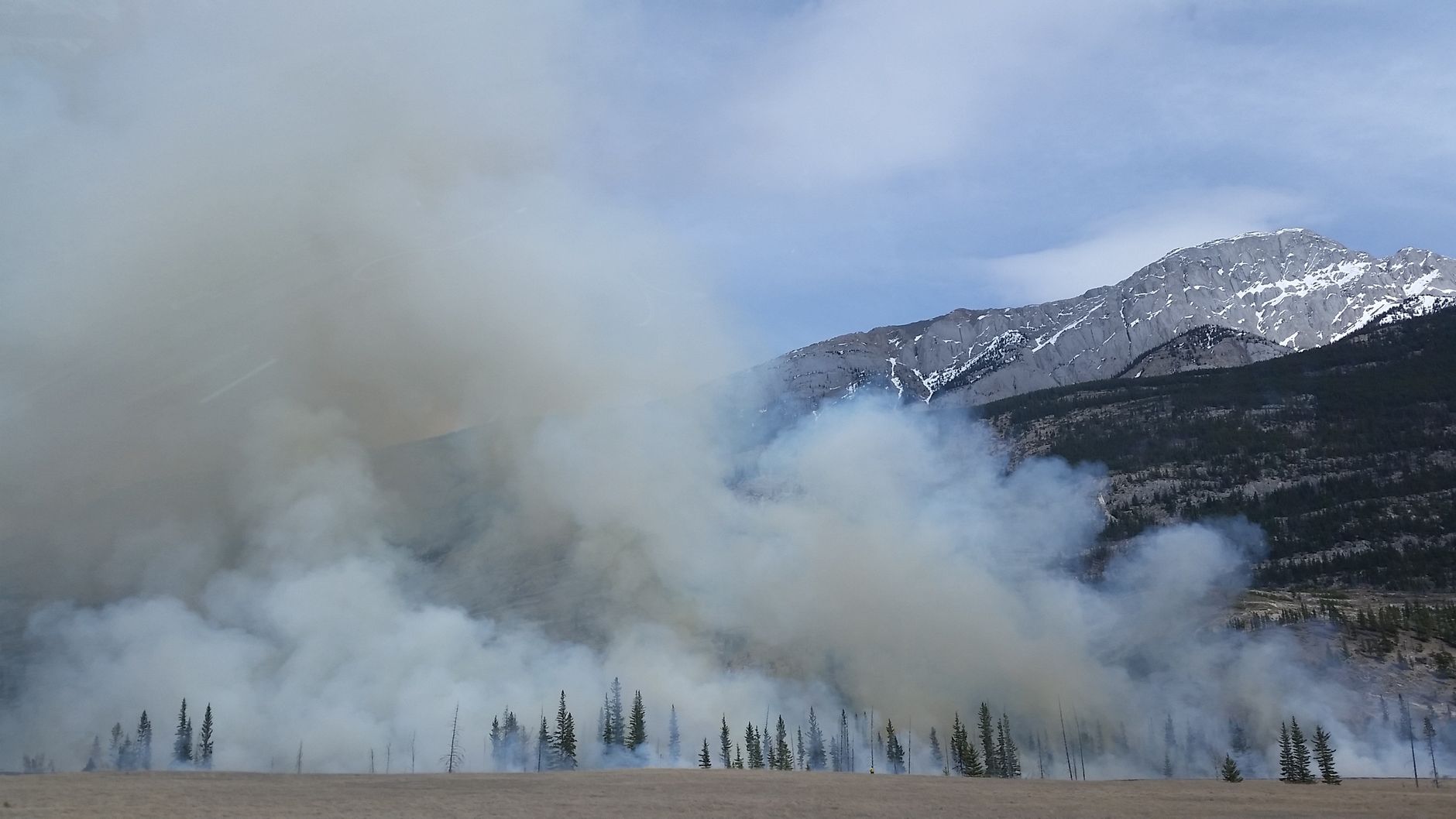
Imagine standing on a ridge in the Judean hills. The air is crisp, carrying the scent of wild thyme and dry earth. Below you, the valley stretches out, vast and shadowed. Above, the sky is a deep, fading blue. You are small. You are alone. But you look up. And in that simple act of lifting your gaze, the ground beneath your feet changes. It stops being a place you might fall and becomes a place you stand.
This is the heartbeat of Psalm 121. It’s not just a song for pilgrims climbing to Jerusalem. It’s a manual for anyone who has ever felt like the world is too big and their strength is too thin.
The Weight of the Climb
We often talk about faith as a destination. We want to get there. But Psalm 121 doesn’t care where you’re going. It cares about where you’re looking while you walk.
The psalm opens with a command that feels almost counterintuitive to human instinct:
— "I lift up my eyes to the mountains—where does my help come from? My help comes from the LORD, the maker of heaven and earth."
Think about the first line. I lift up my eyes to the mountains.
Why the mountains? In the ancient Near East, mountains were often associated with the dwelling places of gods. They were high, unchangeable, and powerful. To look at them was to acknowledge power greater than yourself.
But here is the twist. The psalmist isn’t looking at the mountains because he thinks the help is in the mountains. He’s looking at them because they are the only things visible from his vantage point. He’s asking a practical question: "If I’m stuck here, and I can only see these peaks, what am I supposed to do?"
And his answer is startlingly direct. My help comes from the Lord.
Not from the mountain. Not from my legs. Not from my willpower. From the Maker.
The Keeper Who Doesn’t Sleep
There is a real shift in perspective happening here. We tend to view our problems as horizontal. They come from other people, from our circumstances, from our own failures. We look left and right for solutions.
Psalm 121 forces us to look vertically. Upward.
The psalm continues, painting a picture of divine protection that is both personal and cosmic.
— "He will not let your foot slip—he who watches over you will not slumber. Indeed, the one who watches over Israel will neither slumber nor sleep."
Let that sink in. The One who holds the universe together is the same One who is keeping watch over your Tuesday afternoon.
The imagery of "slumbering" is key. In the ancient world, sleep was often seen as a state of vulnerability. It was a time when defenses were down. For the Creator of Heaven and Earth to "neither slumber nor sleep" is a promise that there is no moment in your life where you are beyond His reach. There is no "off-hours" for God.
This is where the pastoral heart of the text shines. It’s not abstract theology. It’s the difference between worrying at 3 AM and knowing that the Watchman is awake.
The Shadow of Your Guardian
The psalm moves from protection from slipping (danger) to protection from harm (threats).
— "The LORD is your shade and your shield; the sun will not strike you by day, nor the moon by night. The LORD will keep you from all harm; he will watch over your life."
"Shade and shield." This is beautiful, practical language. A shade protects you from the heat. A shield protects you from the blow. You need both in life. Sometimes you just need relief from the pressure. Other times you need a barrier against the attack.
Notice the scope of the protection: "By day... by night." Again, the comprehensive nature of God’s care. He covers the whole cycle. There is no gap in the armor.
And finally, the promise is extended to your very life. Not just your safety, but your existence. He is watching over the fact that you are alive.
A Fresh Start in Autumn
It’s early autumn now. The leaves are turning, and there’s a sense of harvest in the air. We’re finishing things up. We’re gathering in what we’ve grown. And with that, there’s a quiet readiness for what comes next. New routines. New rhythms. A fresh start that doesn’t feel loud, but feels steady.
This is a good time to read Psalm 121. Not because life is falling apart, but because life is continuing. And continuing requires help.
We often wait until we hit a wall to remember we aren’t self-sufficient. But the psalm invites us to make help a habit. A daily orientation. Every morning, before the noise starts, lift your eyes. Acknowledge the Source. Let your help come from Him, so that your feet stay firm.
A Week of Lifting
So, how does this look in an ordinary week?
It looks like pausing before you check your phone. Just for a second. Lifting your gaze away from the screen and toward the window, or the sky, or the face of someone you love. Reminding yourself that your stability doesn’t depend on your performance. It depends on your position.
It looks like praying when you’re tired, not just when you’re in trouble. Praying because you know the Watchman is awake. Praying because it keeps your eyes lifted.
It looks like trusting that even when you can’t see the answer, the Helper is already at work. That the ground won’t give way because the Maker is holding it together.
Friend, you don’t have to carry the weight of your own strength. You were made to rely on a help that is bigger than your problems. Lift your eyes. Let your help come from the Lord. And take the next step with a steady foot.