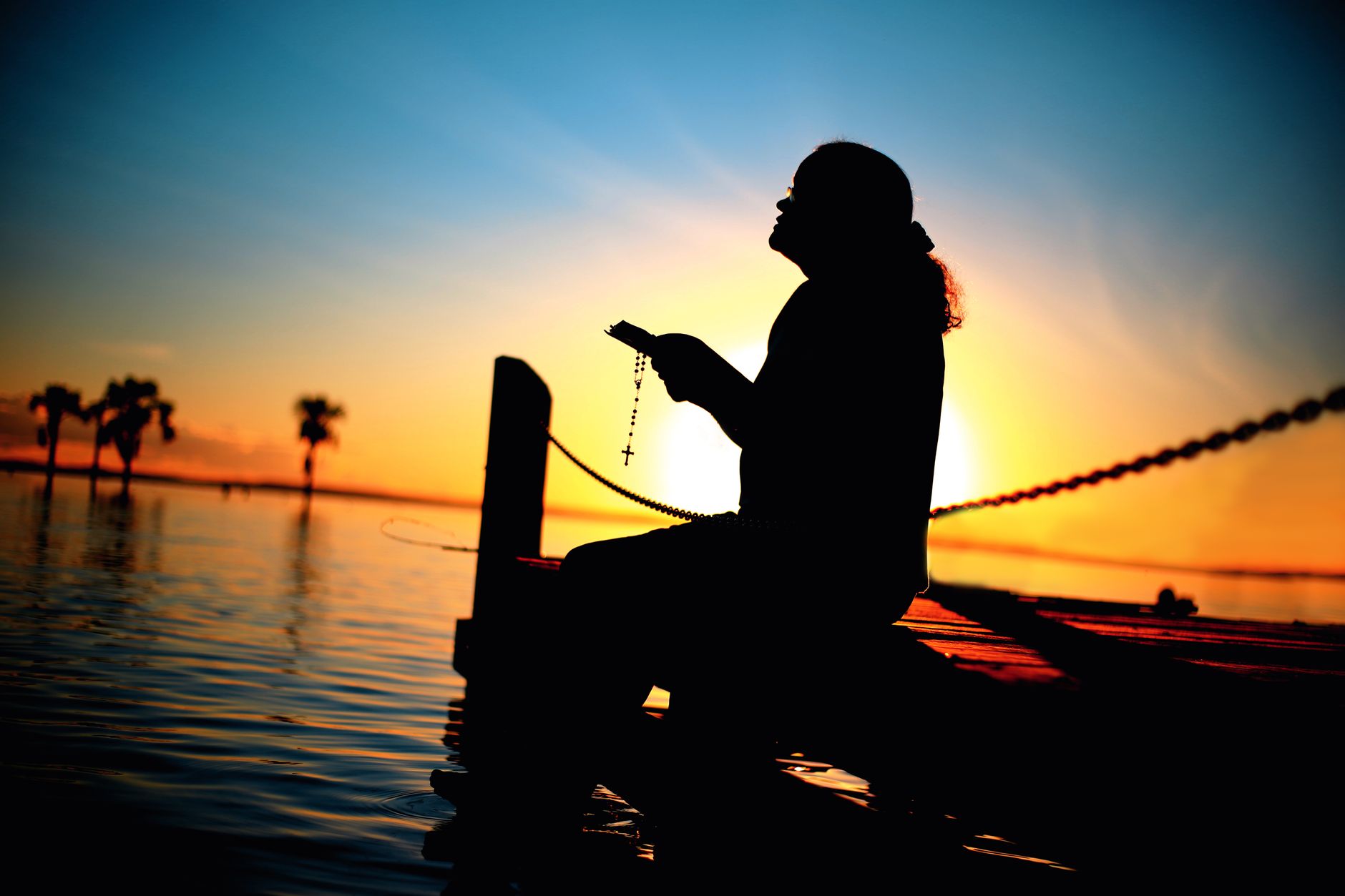
Persistent Prayer: How the Unjust Judge Moves Heaven
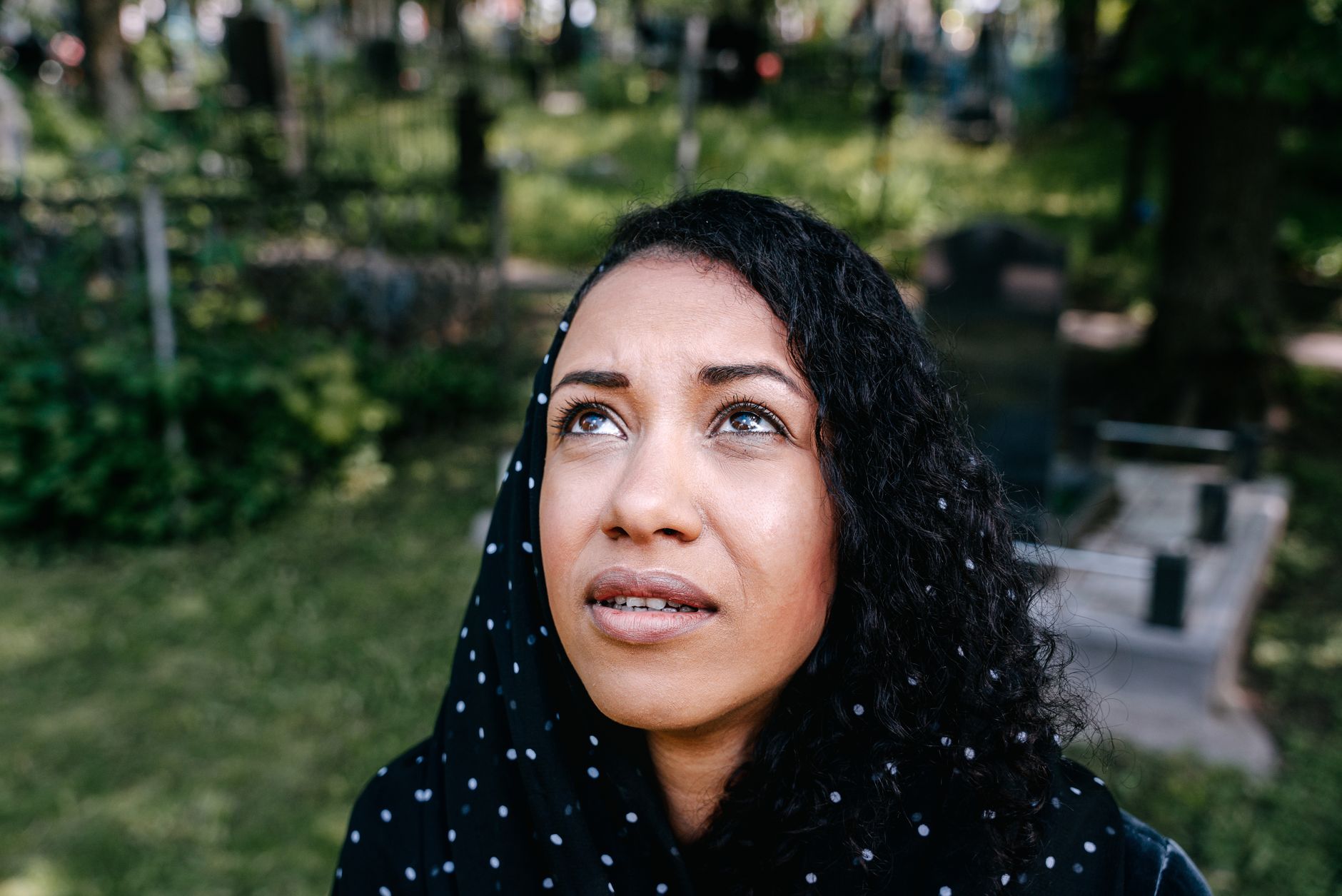
The courtroom floor is worn smooth. Dust hangs heavy in the late afternoon light. She stands at the edge of the aisle, knuckles white around a small cloth bundle. The magistrate is busy, ignoring the line. Papers are being stamped. A gavel thuds somewhere down the hall, echoing like a distant drum. She doesn’t leave.
Jesus told us about her in Luke 18. Not as a dramatic miracle story, but as a Tuesday kind of struggle. A widow with a legal dispute. No money left to bribe the system. Just a stubborn heart and a routine of showing up. "Then Jesus told his disciples a parable about how they should always pray and never give up" ( — "Then Jesus told his disciples a parable about how they should always pray and never give up.").
We tend to spiritualize persistence. Pretend it’s about manufacturing enough faith to drag God out of heaven and into our living rooms. But look at the text again. The judge isn’t evil. He’s just tired of being bothered. "Though he neither feared God nor cared about people, yet she persisted in her pleas, saying, ‘Give me legal relief from my adversary’" ( — "Though he neither feared God nor cared about people, yet the widow kept coming to him and said, ‘Give me legal relief from my adversary.’").
I’ll be honest, I used to read this and feel a tightness in my chest. Like prayer was a transaction waiting for a refund. I’d pace the kitchen floor, muttering requests into the ceiling fan, convinced that if I just phrased it right, God would finally say yes. But what if the point isn’t about getting our way? What if it’s about staying in the room until the truth catches up to us?
There’s a kind of holy stubbornness in waiting. It doesn’t look like shouting from mountaintops. It looks like folding laundry on a Tuesday. Like boiling water for tea that might never come. Like showing up to the same church pew, year after year, while the seasons turn outside the stained glass. (Summer hits differently when you’re holding your breath for something longer.) Her persistence was a daily act of defiance. A refusal to let her voice be silenced.
Why does persistence feel so exhausting? Because we confuse it with performance. We think our prayers need volume, or timing, or some spiritual scorecard. But Jesus paints a picture of sheer endurance. The kind that wears down stone steps, not just wooden pews. "And will not God bring about justice for his chosen ones, who cry out to him day and night? He will surely help them. Do you think he is slow about it?" ( — "And will not God bring about justice for his chosen ones, who cry out to him day and night? He will surely help them. Do you think he is slow about it?").
Look at it this way. You don’t have to be the loudest voice in the room to move heaven. Sometimes you just have to refuse to leave it.
I’ve spent years treating prayer like a customer service hotline. You press the button, you hold your position, eventually someone with authority answers the call. But what if prayer is more like learning a language? You fumble through the grammar. You mispronounce things. You sound silly at first. Then, slowly, without noticing it, you start dreaming in it. (There’s a Japanese craft called kintsugi—repairing broken pottery with gold lacquer—but I like to think of our prayers as cracked vessels held together by that same shimmering resin. The breaks don’t ruin the work. They become part of its strength.)
So what does this actually look like on a Tuesday? This kind of faith manifests in the mundane. In writing the same request in your journal until the handwriting changes. In calling a friend who doesn’t pick up, just to hear their voice on voicemail. It manifests in trusting that God’s silence isn’t absence, but preparation. She had a deep-seated conviction that justice was already on its way. She just had to position herself where it would land.
Summer gives us room to breathe. Long evenings. Porches. The kind of quiet that lets you hear your own thoughts. It’s easy to use this season as a getaway. A pause button. But what if summer is exactly when God asks us to plant our feet? To stop running toward the next appointment and just stand there. In the dust. With our hands open.
"When the Son of Man comes, will he find faith on the earth?" ( — "When the Son of Man comes, will he find faith on the earth?"). Jesus doesn’t ask if we’ll be loud. Or clever. He asks if we’ll still be here. Faith isn’t a lightning strike. It’s the slow accumulation of showing up. Day after day. Until the horizon cracks open and justice finally steps into the light.
Think about the people who came before us. The ones who prayed through famines and fires, through exiles and empires falling like dry leaves. They didn’t have smartphones to track their blessings or bullet points to prove their faith. They had the same stubborn habit. The kind that outlasted the Roman roads and the Babylonian walls. We’re not inventing anything new when we kneel, or stand, or pace the kitchen floor. We’re just picking up a thread that’s been woven through every generation since Eden. God’s people have always known this: the waiting isn’t wasted time. It’s the very place where He meets us.