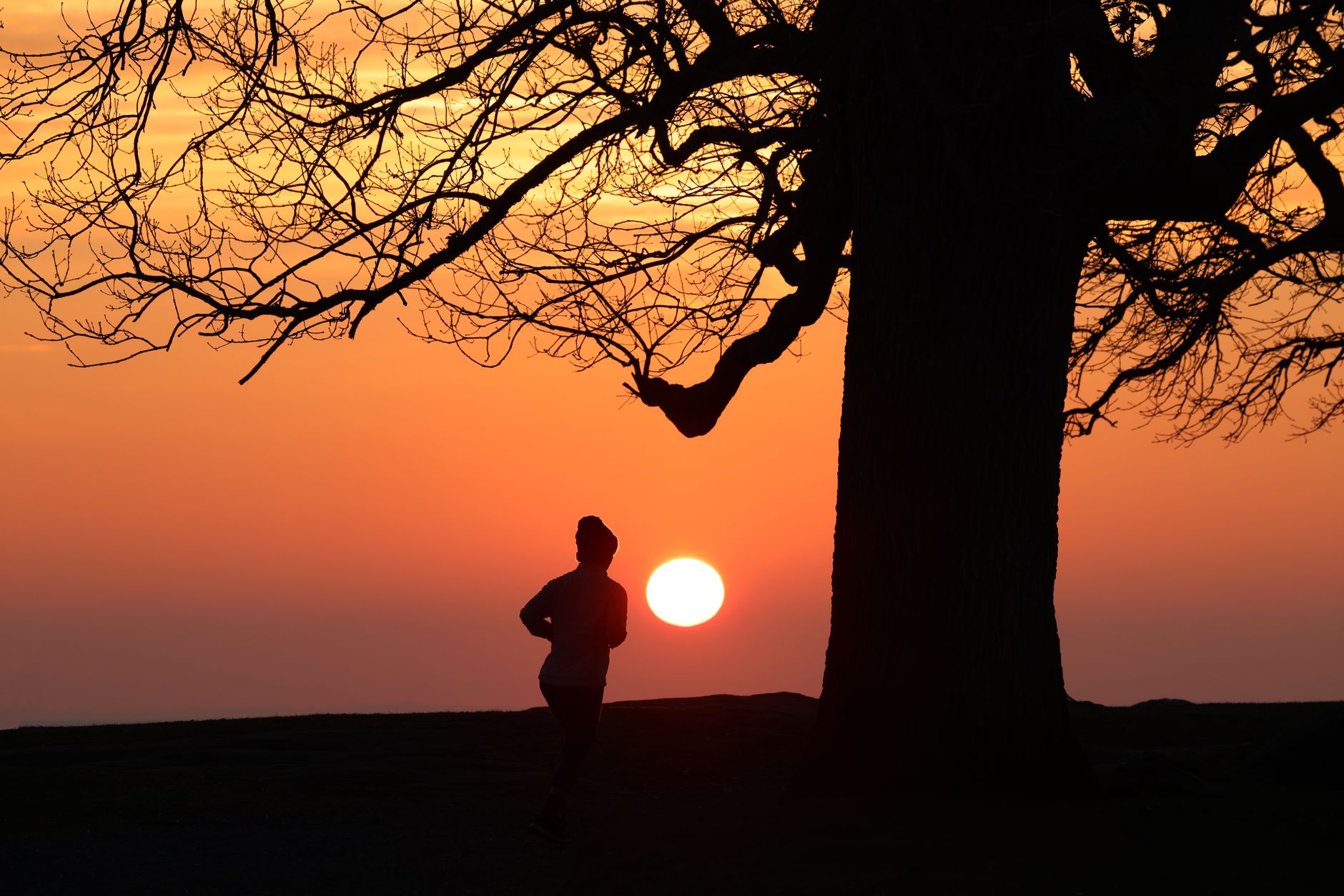
The dust kicked up by the lead runner stings your eyes. Your lungs burn, a hot coal shifting in your chest with every heavy step. Around you, the crowd roars—a deafening wall of noise demanding your attention, begging you to look left, right, anywhere but forward. But you can’t stop. To stop is to lose the momentum, and losing momentum in a sprint is losing the race entirely.
This isn’t just a metaphor for our spiritual lives, though it certainly applies there. It’s also a practical guide for how we move through the changing seasons of the year. As autumn sets in and the days grow shorter, we are often tempted to look backward at what we’ve lost or worry about the winter approaching. But the biblical call to “run the race” isn’t about looking behind you. It’s about fixing your gaze on the goal, even when the track gets muddy.
Let’s break down what this actually looks like in practice. We’ll look at it from three angles: what the text tells us about endurance, how community helps us keep moving, and how we can apply this to our daily rhythms.
The Finish Line is a Person, Not a Place
When the Apostle Paul wrote about running the race, he wasn’t talking about a physical competition. He was using a common athletic metaphor to describe a spiritual reality. In his letter to the Philippians, he gives us the core instruction:
— "Therefore, my beloved, as you have always obeyed, so now, not only as in my presence but much more in my absence, work out your salvation with fear and trembling."
Notice the phrase "work out your salvation." This implies effort. It implies a process. It’s not passive. You aren’t just sitting on the sidelines waiting for God to do everything. You are actively participating. But who is the finish line? In Hebrews, we get a clearer picture of what we are running toward.
— "Let us run with endurance the race that is set before us, looking to Jesus, the founder and perfecter of our faith, who for the joy that was set before him endured the cross, despising the shame, and is seated at the right hand of the throne of God."
Jesus is the target. He is the one who ran the race before us. He didn’t just give us a map; He cleared the path. When we feel like giving up, we don’t look at our own feet. We look at Him. This is the first lens: Endurance is defined by focus. If you stare at the obstacles, you trip. If you glance at the crowd, you wander. If you fix your vision on Jesus, you stay on course.
I’ll be honest, I’ve struggled with this. There are days when I read that verse and feel nothing. It feels like shouting into a void. I wonder if I’m just making it up to feel disciplined. But then I remember that endurance isn’t a feeling. It’s a decision. It’s choosing to keep your head up when your legs want to quit.
The Relay Team: Why You Can’t Run Alone
If the first lens is about individual focus, the second lens is about communal support. A common mistake is thinking the race is a solo endeavor. It’s not. It’s a relay. And in a relay, you need baton handlers. You need people to catch the baton from you when you’re exhausted, and people to pass it to you when you’re fresh.
This connects directly to the theme of family bonding and community. We often isolate ourselves, thinking we can handle the weight alone. But the church is designed to be a training ground for this race. Consider the early believers in Acts. They weren’t just hanging out; they were equipping each other for the journey.
— "And they devoted themselves to the apostles’ teaching and the fellowship, to the breaking of bread and the prayers."
"Fellowship" here translates the Greek word koinonia, which means a sharing of life. It’s not just socializing. It’s interdependence. When one person stumbles, the others help them up. When one person is strong, they encourage the weaker ones.
Think about a family dinner table. That’s a microcosm of this race. Who is passing the baton? Perhaps it’s the parents encouraging the children to trust God. Or maybe it’s the older siblings mentoring the younger ones. Or perhaps it’s the whole family praying together, aligning their vision on the same goal.
I used to think that praying alone in my room was enough. And it is powerful. But I started to realize I was missing the encouragement of others. I’d come out of prayer and feel alone in my doubts. Then I started sharing those doubts with a trusted friend. And that changed everything. It wasn’t that they had the answers. It was that they were running beside me. I wasn’t alone in the heat.
Pacing for the Long Haul: Practical Steps for the Autumn Season
So, how do we apply this today? Especially as we enter this autumn season of change? The third lens is practical application. How do we pace ourselves? How do we avoid burning out?
First, identify your "spectators." In the race, there is a crowd. In your life, who is trying to distract you? Is it social media? Is it the opinions of neighbors? Is it your own internal critic? You don’t have to eliminate them, but you need to recognize their noise. If you feel pulled off course, ask yourself: "Am I glancing at the crowd, or am I staring at Jesus?"
Second, find your relay partners. Who are the people in your life that help you keep going? This could be a spouse, a parent, a child, a close friend, or a small group at church. Make time for them. This doesn’t mean you have to be perfect. It means you show up. Share your struggles. Let them see your doubts. In return, offer them the same grace. When they stumble, don’t judge. Encourage. Pass them the baton.
Third, practice intentional rest. A sprinter doesn’t sprint forever. They pace themselves. In our spiritual lives, we often overextend. We try to do it all. We burn out. And then we quit. The answer isn’t to push harder. It’s to rest. And this is where the autumn theme of surrender comes in. As the leaves fall, we surrender. We let go of what we can’t control. We trust God with the outcome.
— "Come to me, all who labor and are heavy laden, and I will give you rest."
Rest isn’t laziness. It’s trust. It’s saying, "God, I’ve done what I can. Now I release the result to You." This is a crucial part of the race. If you never rest, you’ll collapse. If you never surrender, you’ll strain. Balance is key.
Here’s a simple exercise you can try this week. Take ten minutes in the morning. Sit quietly. Close your eyes. Visualize the track ahead of you. See the goal. See Jesus waiting there. Now, visualize the obstacles. The mud. The steep hills. The wind. Don’t fight them. Just acknowledge them. And then, shift your gaze back to the target. Repeat this until you feel a sense of calm. This trains your mind to stay focused.
Another practice is the "gratitude sprint." Each evening, write down three things you’re grateful for. But make them specific. Not "family," but "the way my daughter laughed at dinner tonight." Not "health," but "being able to walk without pain." This keeps your vision on the good. It prevents the negative crowd from drowning out your joy. And it builds a habit of seeing God’s provision in the details.
Keeping Your Vision Fixed
As the autumn leaves drift down, it’s easy to think the year is fading. But the race isn’t over. The track changes. The weather shifts. But the goal remains. And the Runner who set the pace is still seated at the right hand of the Father, watching over us.
You don’t have to run perfectly. You just have to keep moving. If you stumble, get up. Should you feel tired, rest. If you’re unsure, look up.
The race of faith is long. But you’re not running it alone. And you’re not running it without a guide. So keep your vision fixed. Trust the path. And enjoy the view.