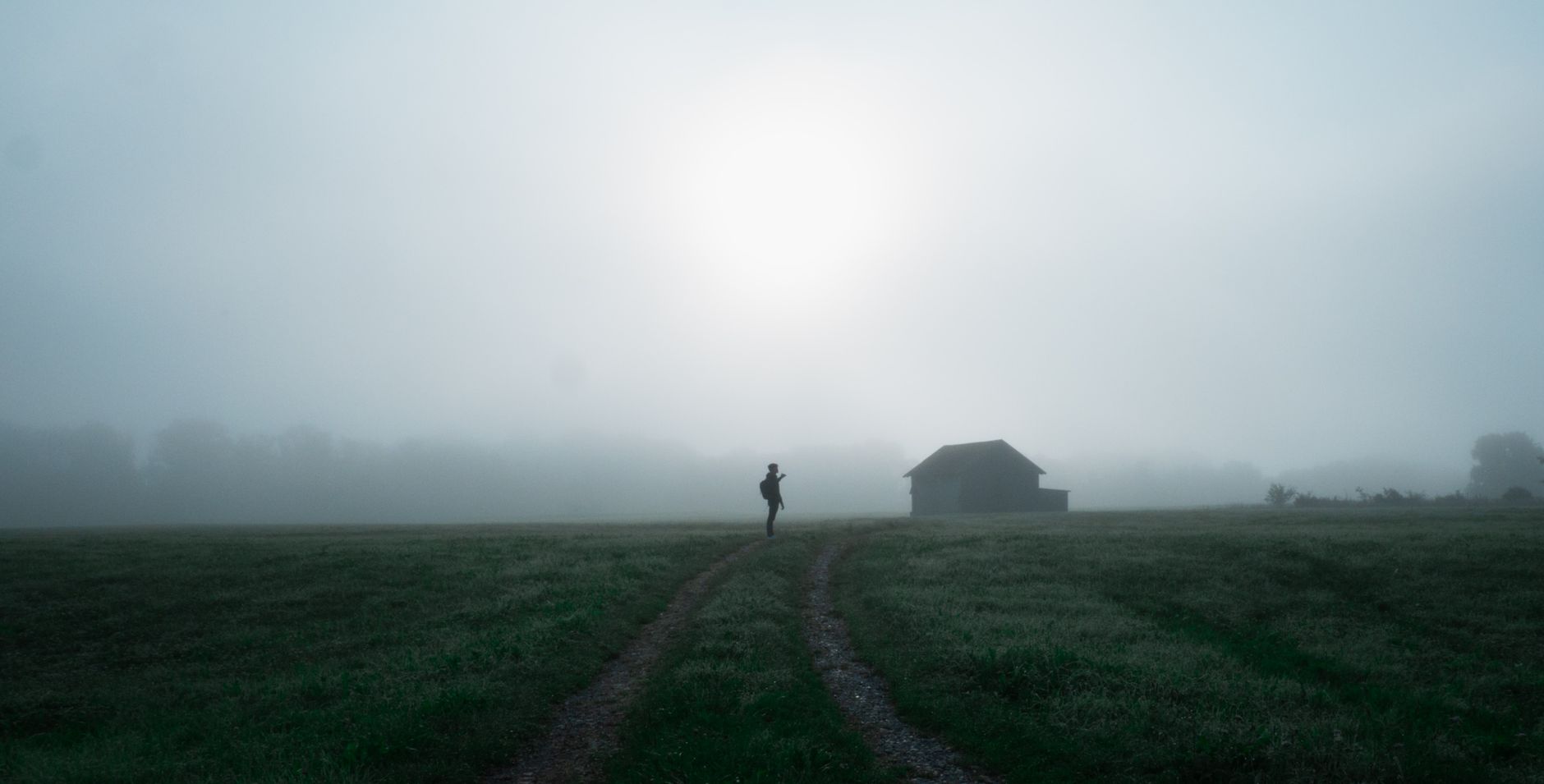
It’s 2 A.M. on a Tuesday. You’re sitting on the floor of your own bedroom because the bed feels too far away, or maybe you’re just staring at the ceiling fan spinning its lazy, indifferent circles. Your chest is tight. There’s a bill you can’t pay, a diagnosis you didn’t see coming, or just a silence in your marriage that’s grown so loud it’s drowning out your prayers. You’re tired. Not the kind of tired that sleep fixes. The bone-deep, soul-weary kind.
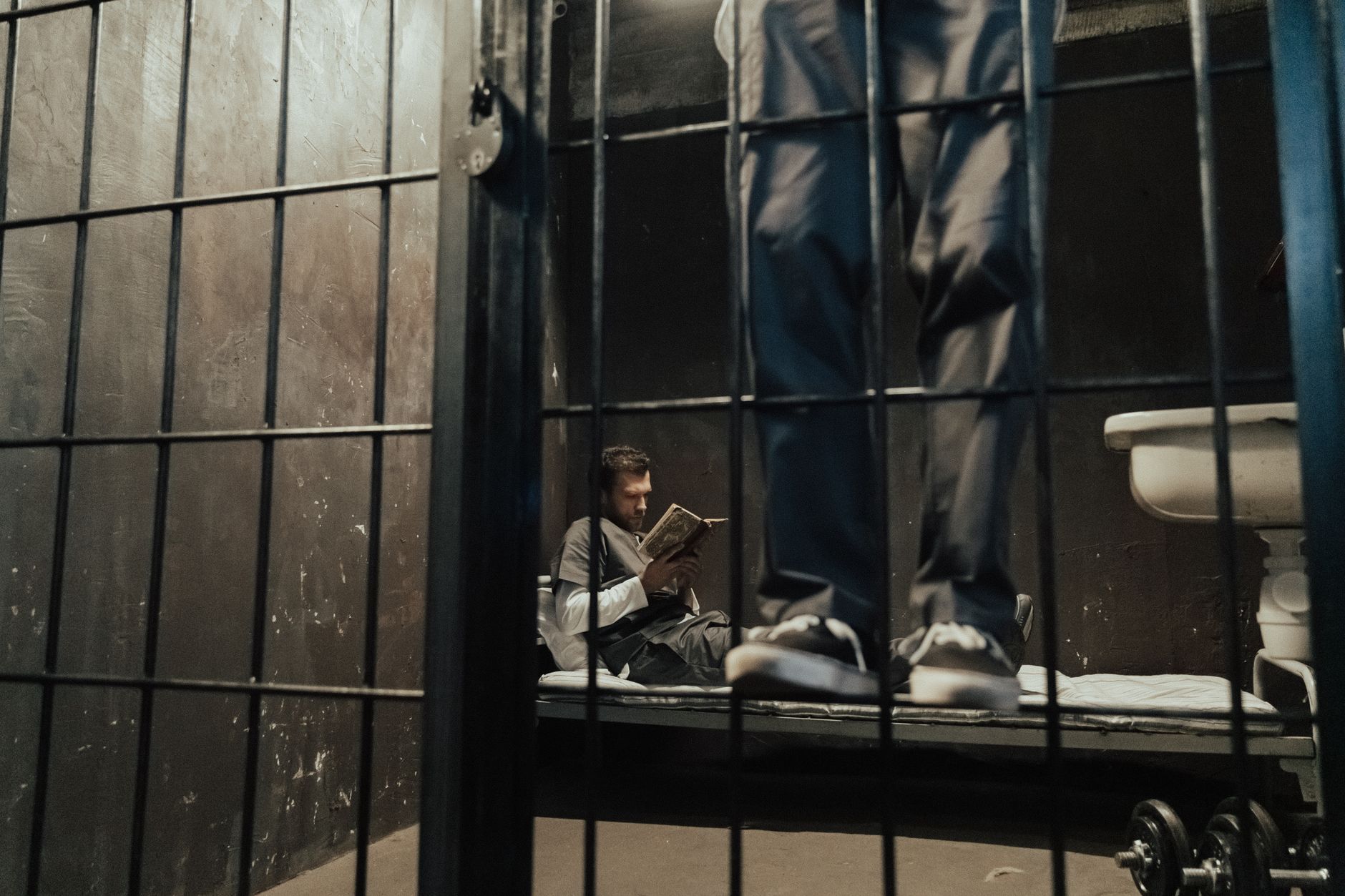
Now, imagine being thrown into a Roman jail cell in Philippi. Not a modern cell with a toilet and a thin mattress. We’re talking about the carcer. It’s dark. It smells of urine, old sweat, and damp earth. The air is thick and stale. Your ankles are chained to the timber wall—iron links biting into raw skin. You’re bruised from the beating you took earlier that day. The pair of men didn’t choose this. They hadn’t sinned their way into this pit. They had simply done what was right.
This is the scene the duo find themselves in. And here’s the weird part: they began to sing.
(ESV) — "About midnight Paul and Silas were praying and singing hymns to God, and the others were listening to them. And suddenly there was a great earthquake, so that the foundations of the prison were shaken. And immediately all the doors were opened and everyone’s bonds were loosed."
We usually read this story as a prelude to a miracle. We skip past the singing to get to the earthquake. We want the door to open. We want the chains to fall off. But the scripture tells us something more radical happened while they were still chained. The miracle wasn’t just the shaking of the earth; it was the shift in their spirits. The duo found a joy so potent it didn’t need an open door to exist. It existed in the closed door.
Why Do We Wait for Relief to Pray?
Most of us operate on a transactional theology. We pray so that God fixes things. We praise when things get better. It’s the "If/Then" faith. If God heals me, then I will worship Him. If God provides the job, then I will be grateful.
But the duo flipped the script. They were offering prayers and hymns while the chains were still tight.
Think about that. The earthquake hadn’t happened yet. The jailer hadn’t converted yet. The morning hadn’t come. The pair of men were in the thick of the pain. And they chose praise not as a reward for deliverance, but as a weapon against despair.
We tend to think of joy as an emotion—a warm, fuzzy feeling that arrives when the storm passes. But biblical joy is different. It’s a stance. It’s a decision to affirm God’s sovereignty even when your circumstances scream otherwise. It is the saying, "God, I don’t know why I’m here, but I know who holds me."
I will admit, I have struggled with this. I used to read this verse and feel nothing. I thought, "Sure, Paul could sing in prison. He was a spiritual giant. What about me? I’m just a guy who got fired and has to eat ramen for the third week in a row." It’s easy to dismiss their joy as divine detachment. Like they hadn’t really felt the pain. But the passage says they were praying. Prayer implies dependence. It implies struggle. The pair of men weren’t floating in a spiritual haze; they were anchored in the darkness.
The world tells you to wait for the perfect conditions to be content. "I am going to feel happy when I lose the weight." "I am going to feel happy when I get promoted." "I am going to feel happy when the anxiety stops." But the duo suggest that joy is the fuel that gets you through the conditions, not the result of them.
What Happens When You Sing in the Shadows?
There’s a physiological truth to this that science is only now catching up to. When you sing, you engage your diaphragm. You regulate your breath. You lower your cortisol levels. But spiritually, the act of singing out loud in a confined space is an act of defiance.
In the Roman mind, noise was power. A quiet prisoner was a defeated prisoner. A screaming prisoner was a madman. But a singing prisoner? That was unsettling. It suggested a different kingdom was at work.
When the pair of men sang, they weren’t just making noise for God’s benefit. They were making noise for theirs. They were reminding their own spirits that the God who parted the Red Sea was the same God holding the iron chain around their ankles. They were declaring that their confinement was temporary, but God’s presence was permanent.
And notice who heard them. "The others were listening to them."
This is the hidden power of joy in suffering. It’s contagious. The other prisoners didn’t see a man complaining about his unfair trial. They saw two men finding peace in the chaos. They saw a peace that didn’t make sense. And that peace drew them in.
We often think our suffering is private. We hide our pain because we’re embarrassed. We think if we show weakness, people will lose respect for us. But the duo showed their scars. They sang with raw voices. And in doing so, they became a witness to the very people who were supposed to be their tormentors.
It’s funny how we spend so much time trying to curate a perfect image for social media, only to realize that people are more drawn to our cracks than our shine. Your joy in the middle of your mess is the most compelling apologetic you have. It’s the "unexpected comparison" to the modern world: we chase happiness, but the pair of men found it through surrender.
Does Joy Mean We Ignore the Pain?
This is the big question. If the duo were joyful, were they in denial? Did they just pretend the chains weren’t there?
No. The Greek word for "joy" in this context isn’t just chara (delight), but it’s rooted in the character of God. It’s not the absence of pain; it’s the presence of God within the pain.
Think of it like a lighthouse. The storm doesn’t stop because the lighthouse is shining. The waves still crash. The wind still howls. But the light remains steady. It is a lighthouse that doesn’t fight the darkness; it simply illuminates it.
The pair of men didn’t ignore the earthquake that came later. They didn’t ignore the jailer’s trembling fear. They experienced the fullness of their humanity. They were tired. They were bruised. They were chained. But their spirits were unchained.
We often confuse peace with passivity. We think that if we’re truly trusting God, we won’t feel angry or sad. But look at Jesus in Gethsemane. He was anguished. He sweat drops of blood. He cried out, "My God, why have you forsaken me?" That wasn’t passive. That was raw, visceral pain. Yet, He said, "Not my will, but yours be done."
Joy is the "not my will" to your pain. It’s the agreement that God is good, even when you can’t see the finish line. It is a quiet confidence that the chains you’re in today are not the end of your story.
The Earthquake Wasn’t the Point
We tend to focus on the earthquake because it’s dramatic. The ground shook. The foundations broke. The doors flew open. It’s a visual spectacle.
But the scripture says the earthquake happened because they were offering prayers and hymns. The music preceded the miracle. The joy was the catalyst.
Here’s the thing about suffering: it doesn’t always end with a bang. Sometimes it ends with a whisper. Sometimes the chains don’t fall off at all. Sometimes you stay in the cell until you die. But you die singing.
Paul died in Rome. Silas likely did too. They didn’t escape the world; they conquered it from the inside out. The earthquake opened the doors, but the joy opened their hearts. And once their hearts were open, the world couldn’t touch them.
So, what does this look like for you on a Tuesday night?
It appears as humming a tune while you stare at the ceiling. It looks like reading a Psalm out loud when the silence gets too heavy. It seems to be choosing gratitude not because your life is perfect, but because your God is faithful.
It’s not about pretending the pain isn’t real. It’s about refusing to let the pain have the final word.
Let the Chain Break
You don’t have to manufacture joy. You don’t have to force a smile. Just start singing. Start praying. Start talking to God like He’s actually there, even if He feels distant.
The chains will break. Maybe not today. Maybe not in the way you expect. But they will break. And until then, the pair of men are not just waiting in the shadows. They’re singing in it. And that song? It’s already shaking the foundations of your world.
(ESV) — "The Lord is near to the brokenhearted and saves the crushed in spirit."
He’s near. Right there in the cell. Right there in the quiet. You’re not alone. You’re never alone. Just keep singing.