Elijah’s Rest: Finding Soul Restoration After Spiritual Burnout
The heat in late July is a physical weight. You know the kind. It’s not just warm; it’s oppressive. You walk from your car to the front door, and the air hits you like a wet wool blanket. Your phone buzzes with another notification, another email that could have been a Slack message, another demand for your attention. You’re tired, but not the kind of tired that sleep fixes. It’s the kind of exhaustion that settles in your bones, the slow burn of living in a culture that equates busyness with holiness and constant output with worth.
You sit on the edge of your bed, staring at the ceiling fan chopping the stagnant air, wondering if you’ll ever feel alive again. Not just awake. Not just functioning. But truly, spiritually alive.
That’s where we find Elijah. Not on a mountaintop preaching to crowds, but hiding in a cave, exhausted, depressed, and begging God to take his life. And before he gets there, he’s standing on Mount Carmel, sweating through his robes, challenging four hundred and fifty prophets of Baal to a duel for the soul of Israel.
It’s easy to skip over the context of the fire and focus only on the spectacle. But if we look closer at 1 Kings 18, we see something that speaks directly to our modern crisis of physical and spiritual wellness: the cost of true rest, and the danger of performing faith instead of living it.
The Stage Was Set for a Showdown
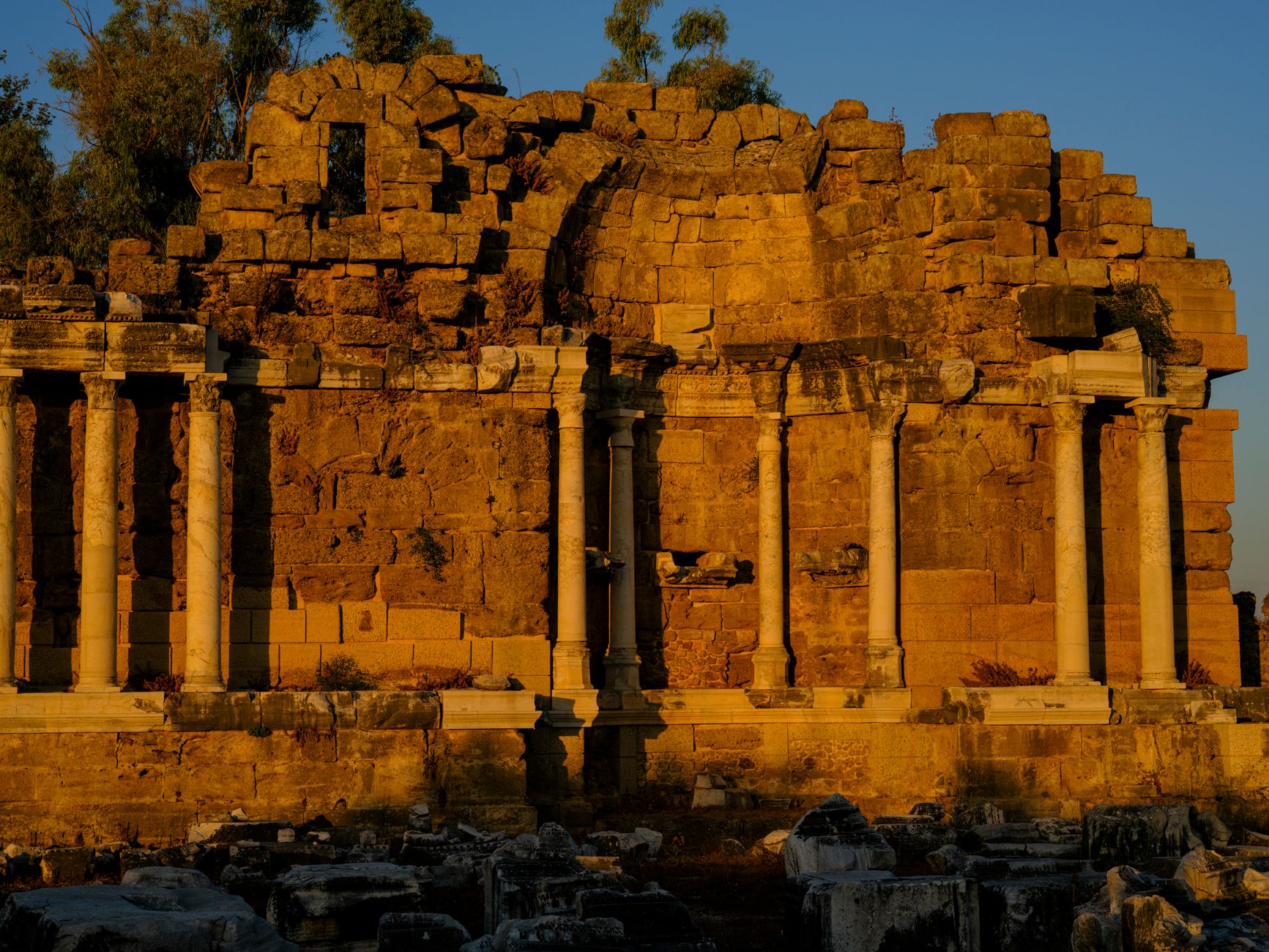
It had been three years since Elijah told King Ahab there would be no dew or rain until he said otherwise. Three years of drought. Three years of watching the land turn to dust, crops fail, and the people of Israel slowly drift away from Yahweh toward Baal, the Canaanite storm god who controlled the rain.
Baal was a god of productivity. You offered him sacrifices, you did the rituals, and poof—the crops grew. He was a transactional deity. Worship him, get the harvest. Ignore him, starve.
And the Israelites had bought it. They were spiritually adulterous, yes, but they were also physically anxious. They were waiting for rain, but they were worshipping the wrong source. They were trying to force life into their dead seasons through performance.
So Elijah steps up to Ahab and says, "Gather all Israel to Mount Carmel, along with the 450 prophets of Baal and the 400 prophets of Asherah who eat at Ahab’s table" ().
This wasn’t just a prayer meeting. This was a public health crisis meeting. The nation was spiritually sick, and the symptoms were showing up in their bodies, their crops, and their relationships. Elijah needed them to see that the god who actually provides life is the only one worth trusting.
The Ritual of Baal: Performance vs. Presence
The prophets of Baal went first. They prepared their bull, laid it on the wood, and started praying. From morning till noon, they danced. They limped. They cut themselves with swords and spears, just as Elijah had told them they would.
Think about that. They were frantic. They were exhausting themselves. They were trying to make the god of the storm show up through sheer human effort. It’s the ancient equivalent of scrolling through social media until your eyes blur, trying to curate a life that looks perfect so you can feel valid. It’s the anxiety of performance.
Elijah mocked them. "Shout louder! Surely he is a god! Perhaps he is deep in thought, or on a journey, or sleeping. Wake up!" ().
They shouted until midday. Their sacrifices were prepared. The wood was ready. But there was no sound, no wind, no fire. Just the sound of their own voices echoing off the rocks.
Here’s the thing about Baal worship: it looks like religion. It looks like devotion. But it’s empty. It’s a hollow ritual that leaves you drained. We do this today. We go to church, we pray the prayers, we read the verses, but our souls are still parched because we’re relying on our own strength to sustain us. We’re cutting ourselves with the same spiritual knives our ancestors did, hoping for a spark that never comes.
Then Elijah stepped forward.
The God Who Answers by Fire
Elijah didn’t just pray. He rebuilt the altar of the Lord that had been torn down. He took twelve stones, representing the twelve tribes of Israel. He dug a trench around it. And then, he did something that seems insane if you’re just looking for a quick fix.
He had them pour water over the sacrifice and the wood. Not a little. He said, "Fill the four large jars with water and pour it on the burnt offering and on the wood" ().
They did it a second time. And a third time. The water ran down from the altar and filled the trench. It was saturated. It was muddy. It was messy. It wasn’t a pristine, polished offering. It was a mess of water and animal and wood.
And then he prayed a simple prayer. He didn’t shout. He didn’t dance. He didn’t cut himself. He just spoke to God.
"Lord, God of Abraham, Isaac and Israel, let it be known today that you are God in Israel and that I am your servant and have done all these things at your command. Answer me, Lord, answer me, so these people will know that you, Lord, are God, and that you are turning their hearts back again" ().
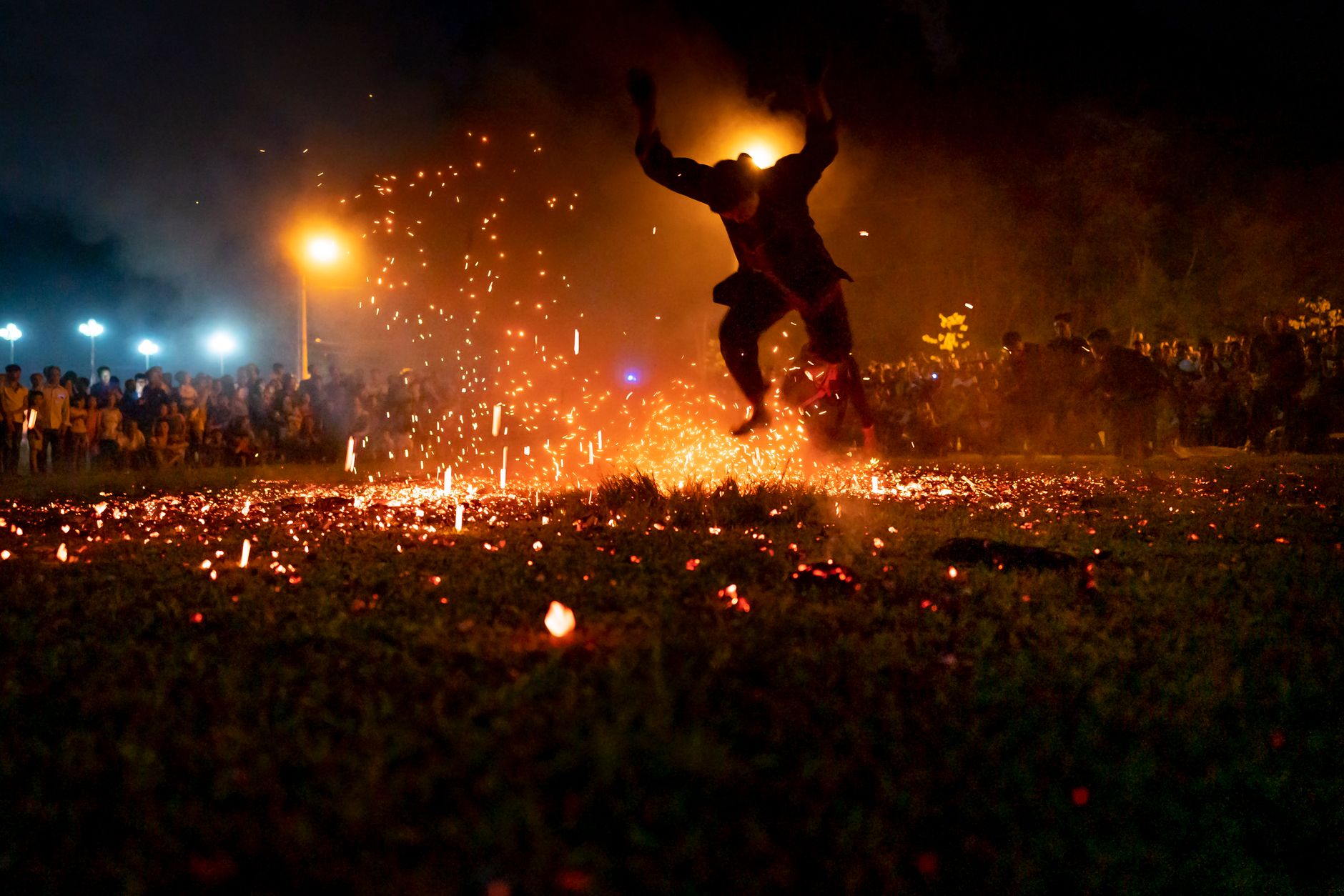
God answered. Not with a gentle breeze, but with fire. Fire from heaven. It consumed the burnt offering and the wood and the stones and the soil. It even consumed the water in the trench.
The people fell facedown. "The Lord—he is God! The Lord—he is God!" ().
Notice the order. First, the fire. Then, the recognition. Then, the repentance. The physical manifestation of God’s presence led to their spiritual restoration.
What Does This Have to Do With My Wellness?
We often think of "wellness" as eating the right foods, sleeping eight hours, or meditating on positive affirmations. And those things are good. But biblical wellness is deeper. It’s about alignment. It’s about whether your life is being sustained by the fire of God’s presence or by the frantic energy of your own performance.
When Elijah was on Mount Carmel, he was physically exerting himself. He ran ahead of Ahab’s chariot through the dust. But he was spiritually energized because he knew who he served.
Contrast that with what happens right after the victory.
The Cave and the Crash
1 Kings 19 opens with Ahab telling Jezebel what Elijah did. Jezebel sends a death threat. And suddenly, the prophet who just conquered 450 prophets on a hill is running for his life. He goes into the wilderness, sits under a broom tree, and prays, "I have had enough, Lord. Take my life."
Why the sudden drop?
It’s not just the adrenaline crash. It’s the weight of the people’s superficial response. They shouted "The Lord is God!" but did their hearts really change? Or were they just impressed by the fire?
Elijah, the man of God, felt alone. He felt exhausted. He felt like his physical and spiritual batteries were completely drained. He needed rest. He needed food. He needed silence.
God didn’t rebuke him. He didn’t give him a theological lecture. He sent an angel to wake him up, give him some bread and water, and told him, "Arise, eat and drink, for the journey is too great for you" ().
First, physical restoration. Then, spiritual direction.
God met Elijah in a gentle whisper, not in the earthquake, the fire, or the wind (). The big, flashy events weren’t where God’s presence was most clearly felt in that moment. It was in the quiet. It was in the stillness.
This is the lesson for us in the summer heat. We think wellness is about doing more. We think if we just read one more book, attend one more conference, or serve in one more ministry, we’ll feel full. But sometimes, God’s answer to our exhaustion is not more activity. It’s rest. It’s silence. It’s letting go of the performance and trusting that He is God, even when the fire doesn’t immediately fall.
Living in the Fire, Not Just Watching It
So, how do we live this out today?
We stop trying to force God’s hand. We stop cutting ourselves with the knives of anxiety and performance. We stop believing that our worth is tied to our output.
Instead, we rebuild the altar. We prepare the wood. We pour out the water—our fears, our weaknesses, our exhaustion—on the sacrifice of Christ. And we wait.
We wait for the fire.
And when the fire comes, it doesn’t just consume the offering. It consumes us. It purifies us. It burns away the dross of self-reliance.
I’ll be honest, I’ve struggled with this. I’ve spent years trying to be the "Elijah" of my own life—loud, visible, powerful. But God keeps pulling me into the cave. He keeps telling me, "Eat. Sleep. Breathe." And it’s frustrating because I feel like I’m failing. But that’s the lie. The failure isn’t in the resting. The failure is in thinking I can sustain myself.
The fire of God is not just for show. It’s for cleansing. It’s for empowering. It’s for restoring.
This summer, as the days stretch long and the heat rises, don’t just look for the fire. Become the fire. Let your life be so saturated with the presence of God that when the world looks at you, they don’t see your performance. They see His glory.
And if you’re feeling tired, if you’re feeling like you’re running on empty, remember Elijah. Remember that God cares about your body. He sent food. He sent rest. He sent a whisper.
He’s not just waiting for you to shout louder. He’s waiting for you to listen.
The trench is filled. The wood is ready. The fire is falling.
Just breathe.