It’s strange how we treat the end of the world like a distant, abstract concept. We file it away in the back of our theological cabinets, right next to “The Rapture Timing Debate” and “Pre-Trib vs. Post-Trib.” But for the early Christians, this wasn’t a theory. It was the only thing that made sense of the fire in Rome, the lions in the arena, and the slow, grinding poverty of daily life.
They weren’t waiting for a nice little upgrade. They were waiting for a total rewrite.
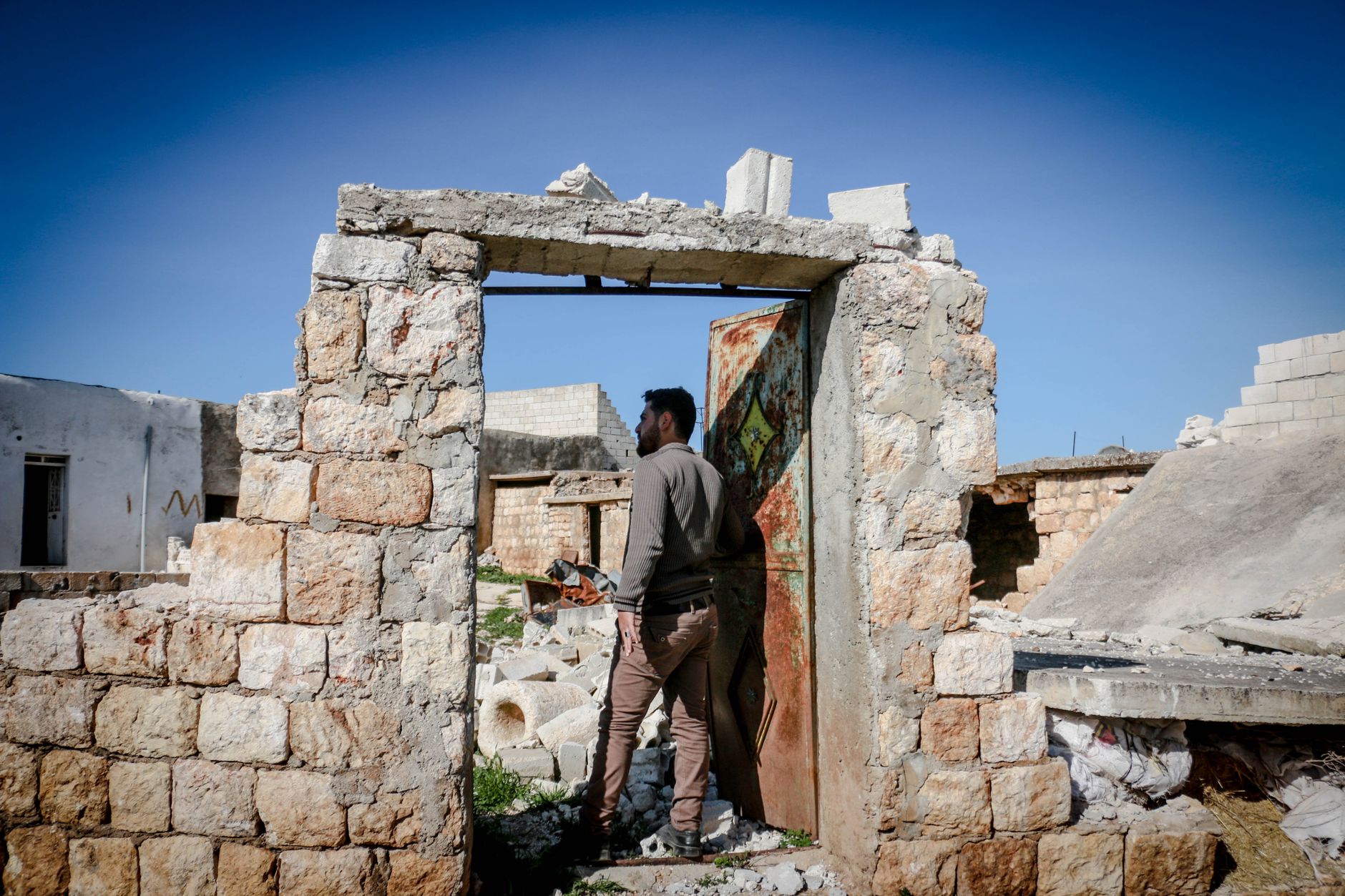
Consider the cultural shock of the first century. The Roman Empire was the ultimate “now.” Their emperors claimed divinity. Their roads were built to last forever. Their grain shipments fed millions. To say “Jesus is Lord” was to say Caesar was not, and that got you killed. But the Apostle John, writing to scattered believers facing persecution and apathy, didn’t give them a new tax code. He gave them a new cosmos.
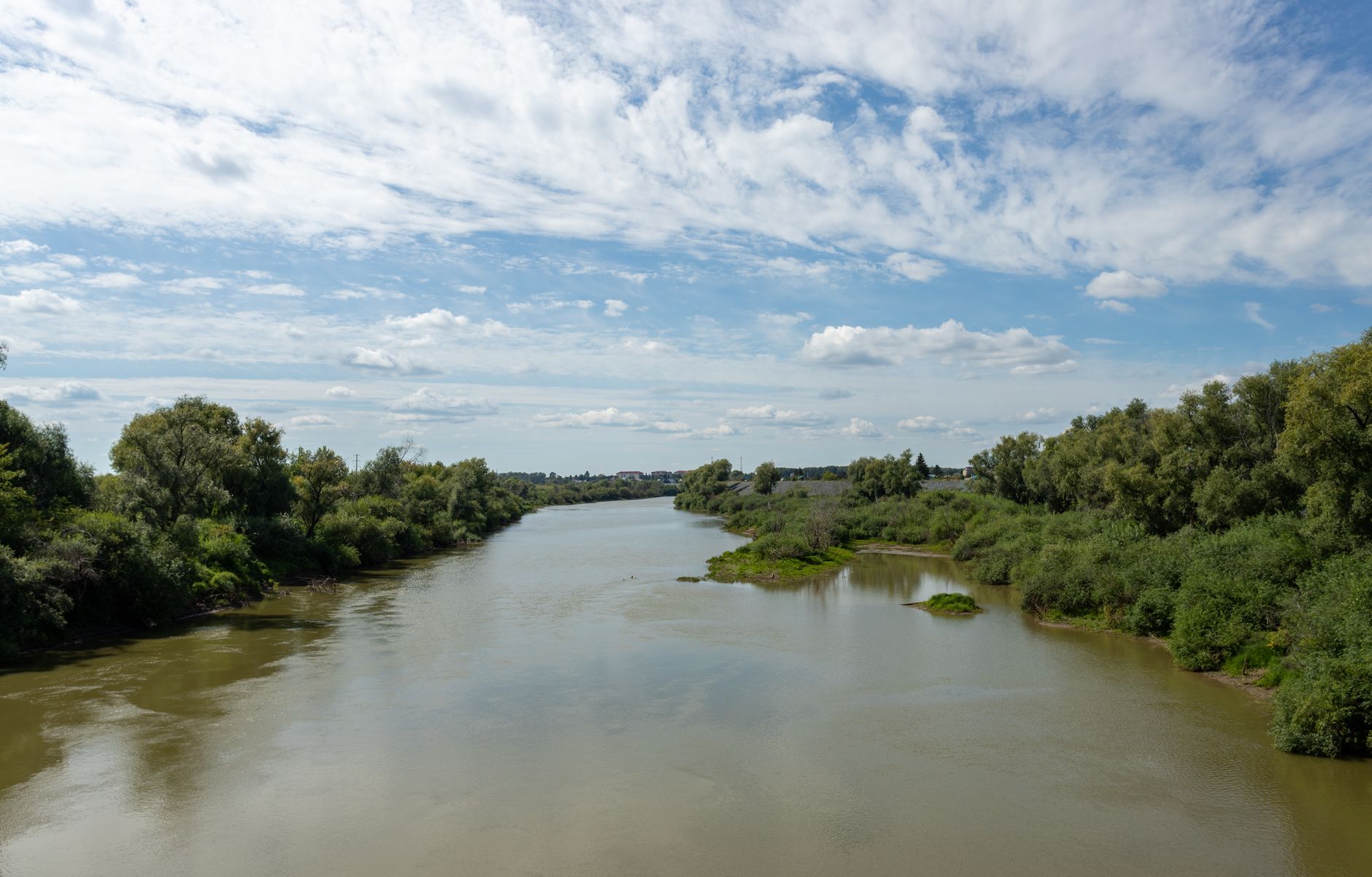
In Revelation 21, he doesn’t just say God will fix the old house. He says the old house is gone. The first heaven and the first earth passed away. And the sea? The sea, that ancient symbol of chaos, danger, and separation in Jewish thought, was no more.
This isn’t just future hope. It’s a present-tense anchor. And honestly, it’s the only thing that keeps us from losing our minds in a summer that feels too hot, too fast, and too full of noise.
Is It Just a Spiritual Place, or a Physical One?
We have a tendency to spiritualize everything until it’s weightless. We hear “New Earth” and picture clouds, harps, and a disembodied existence where we float around singing for eternity. We get tired of our bodies. We get tired of gravity. We want to be pure spirit.
But that’s not what the Bible says.
Look at the resurrection of Jesus. He didn’t just wake up and vanish into the ether. He ate fish. He let Thomas touch the wounds. He was flesh and blood, yet glorified. The “New Earth” is the resurrection of the cosmos, not the escape from it.
(ESV) — “Then I saw a new heaven and a new earth, for the first heaven and the first earth had passed away, and the sea was no more. And I saw the holy city, new Jerusalem, coming down out of heaven from God, prepared as a bride adorned for her husband. And I heard a loud voice from the throne saying, ‘Behold, God’s dwelling place is now among the people, and he will dwell with them. They will be his people, and God himself will be with them and be their God. He will wipe away every tear from their eyes, and death shall be no more, neither shall there be mourning, nor crying, nor pain anymore, for the former things have passed away.’ He who was seated on the throne said, ‘Behold, I am making all things new.’”
Notice the physicality. Tears are wiped away. That’s a body. Pain is gone. That’s a body. God dwells with them. The “sea” being gone is key. In the ancient mind, the sea was the place of monsters, of chaos, of the unknown. It was where you went to be lost. In the New Earth, chaos is defeated. Order is restored. But it’s not a sterile, empty void. It’s a place where God’s presence fills every atom.
This matters because it validates our work. It validates our art, our gardening, our building, our loving. If the end goal was just to leave this broken world behind, then why did God create it in the first place? Why did He call it “very good”? Because He was planning to redeem it. The New Earth isn’t a retirement home for souls. It’s the final destination of history. It’s the wedding feast of the universe.
Why Does the Old World Have to Pass Away?
If God is good, and He is, why can’t He just fix the cracks in the foundation? Why the total demolition?
We’ve all sat in our cars after work, staring at the dashboard, feeling that familiar ache of exhaustion. We try to patch it up. A bit more sleep. A bit more money. A bit more success. We plaster over the cracks in our lives, hoping it holds.
But the Bible is brutally honest: the current order is broken at the root. It’s not just that we’re sinners; it’s that the world itself is groaning. Romans 8 tells us creation is waiting for the revealing of the sons of God. The system is corrupted.
(ESV) — “For the creation was subjected to futility, not willingly, but because of him who subjected it, in hope that the creation itself also will be set free from its bondage to corruption and obtain the freedom of the glory of the children of God.”
The “first earth” includes the effects of the Fall. Death. Decay. Entropy. The way your coffee cools down if you don’t drink it fast enough. The way relationships fray if you don’t tend them. The way the earth itself quakes and burns.
God isn’t punishing us. He’s resetting the system.
Think of it like a computer. You can keep installing updates. You can clear the cache. You can delete the temporary files. But eventually, the core code is so tangled with errors that a fresh install is the only way to get true speed and stability back. The New Earth is the fresh install. It’s not that God hated the original code. He loved it. But it was corrupted by sin, and sin has a way of spreading like a virus.
And here’s the hard part: to make all things new, the old things must pass away. Not just the bad stuff. The good stuff, too. Our best moments. Our greatest achievements. They will be redeemed, but they will not remain in their current form. Your degree, your house, your career—they are shadows of the reality to come. Don’t cling to the shadow. Cling to the Substance.
What Does “No More Sea” Actually Mean for Us?
It’s easy to overlook this detail. Why does John specifically mention the sea disappearing?
In the Old Testament, the sea was often associated with chaos, evil, and the nations. In Psalm 74, the crushing of the sea monsters is a sign of God’s victory. In Revelation, the beast rises from the sea. The sea is the place of separation.
In , we read that “the river of the water of life” flows from the throne. A river. Singular. Central. Life-giving.
The chaos is gone. The separation is gone.
(ESV) — “Then the angel showed me the river of the water of life, bright as crystal, flowing from the throne of God and of the Lamb through the middle of the street of the city; also, on either side of the river, the tree of life with its twelve kinds of fruit, producing its fruit each month. The leaves of the trees were for the healing of the nations.”
This is the undoing of Genesis 3. In the garden, we were cut off from the Tree of Life. Now, we are invited back. But this time, it’s not a tree in the middle of a garden. It’s a tree on either side of a river that flows from God Himself.
For us, right now, this means that the fear of the unknown is being replaced by the assurance of God’s presence. We live in a world that feels chaotic. Markets crash. Pandemics hit. Wars start. We feel like we’re on the edge of the sea, watching the waves crash over us.
But the promise is that the sea will be no more. The chaos will not have the final word.
I’ll be honest, I’ve struggled with this. I’ve read this verse a thousand times and still felt a bit cold about it. It seems too big. Too abstract. But then I started paying attention to the “now.”
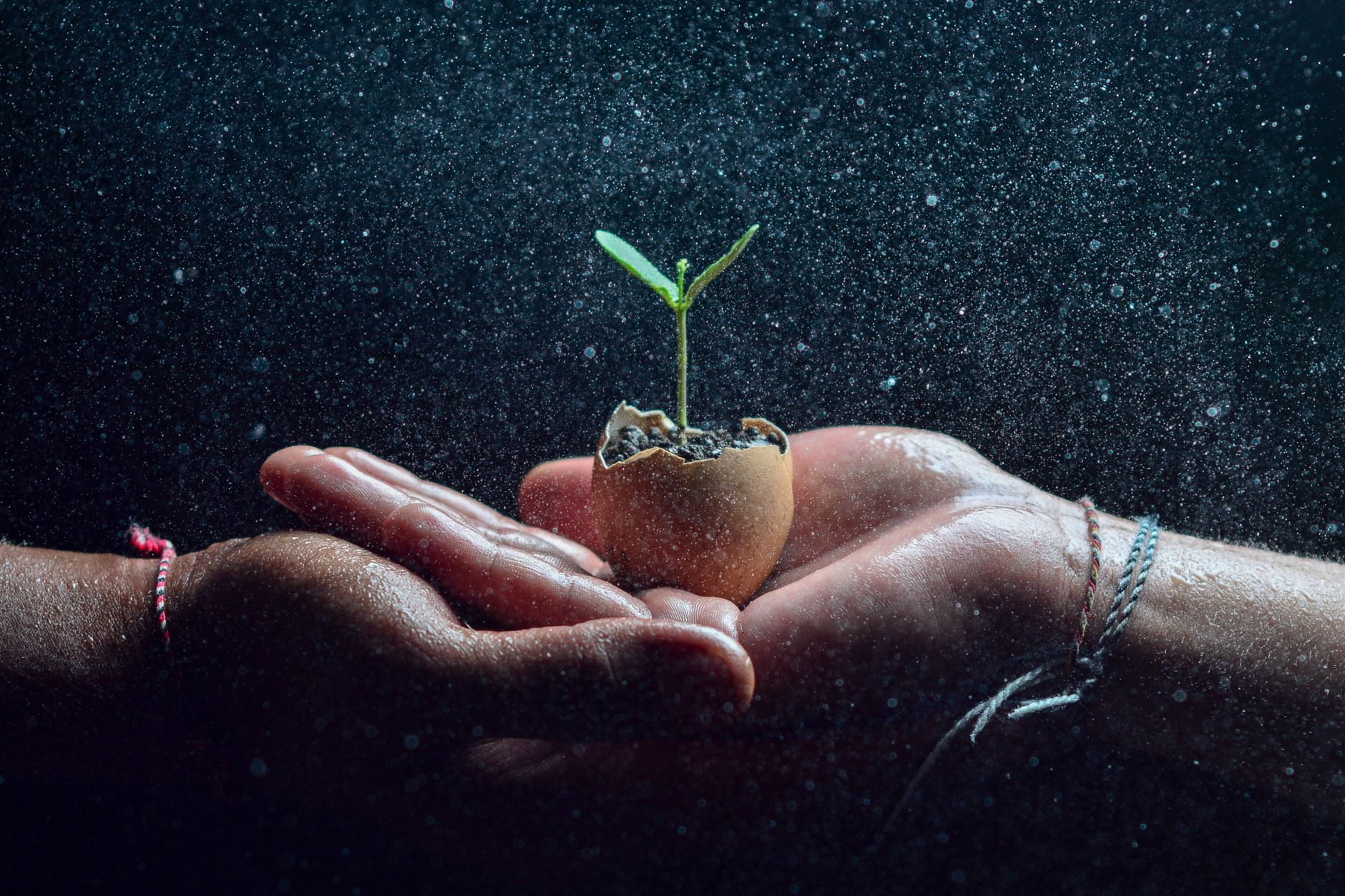
If the New Earth is coming, and if God is making all things new, then I don’t have to wait until I’m dead to find meaning. I can find meaning in the way I water my plants today. I can find meaning in the way I listen to my spouse. I can find meaning in the way I work, knowing that my labor is not in vain.
(ESV) — “Therefore, my beloved brothers, be steadfast, immovable, always abounding in the work of the Lord, knowing that in the Lord your labor is not in vain.”
Your labor is not in vain. That’s the anchor.
How Do We Live in the “Now” of the “Not Yet”?
This is where it gets practical. If the end is guaranteed, how do we handle the middle?
We don’t live in a vacuum. We live in the tension. The “already” and the “not yet.” The Kingdom has come, but it’s not fully here. We are citizens of the New Earth, but we are currently on mission in the old one.
This changes how we view suffering. It doesn’t remove it. It doesn’t make it less painful. But it gives it a direction. Suffering is not the end of the story. It’s the birth pangs.
(ESV) — “For I consider that the sufferings of this present time are not worth comparing with the glory that is to be revealed to us.”
When you’re in the pain, it’s hard to feel the glory. I know. I’ve been there. But the promise is real.
We live with hope. Not the wishful thinking kind (“I hope it doesn’t rain”). But the sure-and-confirmed kind. The kind that lets you sleep when the storm is raging.
We live with purpose. We are not just drifting. We are being led. We are being conformed to the image of Christ. We are being prepared for a world that is better than we can imagine.
And we live with love. Because if God is making all things new, then every act of kindness, every gesture of mercy, every moment of forgiveness is a preview of that New Earth. It’s a tangible sign that the old order is passing away and the new is beginning.
The Quiet Close
The sun is setting now. The light is changing. The day is ending.
And yet, the promise stands.
God is not done. He is not finished with you. He is not finished with the world. He is making all things new.
So breathe.
Look at the sky. Look at the earth. Look at the people around you. It’s all temporary. It’s all passing away. But it’s all being redeemed.
Don’t be afraid. Don’t be anxious. Don’t be trapped by the chaos.
The sea is no more.
The tears are wiped away.
He is making all things new.
And it starts with you.