Building Compassionate Communities
Introduction
Adversity is a fact of life. We all experience struggles, whether it be personal hardships, natural disasters, or social injustices. The way we respond to these struggles has a significant impact on our well-being and the well-being of those around us.
One of the most powerful resources for overcoming adversity is the community that comes together to care for its members. This kind of community is built on principles of kindness, active listening, and mutual respect. Members are committed to hearing each other out, offering valuable advice, and lending a hand during tough times. For instance, I recall a time when a neighbor's house was damaged in a storm, and our community rallied around them to provide shelter and rebuild their home. I also remember a local food drive that collected over a thousand cans of food for a nearby food bank, demonstrating the power of collective action in supporting those in need.
What is a Compassionate Community?
A community centered on compassion is a group of people who come together to support and care for one another. This community is built on the principles of kindness, active listening, and mutual respect. Members of the community are committed to listening to one another, providing guidance, and lending a hand during tough times.
The Benefits of a Compassionate Community
There are many benefits to being surrounded by people who show they care. Here are a few key advantages:
Increased Resilience
Having a support system can greatly increase our ability to bounce back from hardships. When struggles arise, we often turn to those around us for help and guidance. A supportive network offers a safe space for people to share their struggles and receive the help they need to overcome difficult situations.
Strengthened Social Support
These communities provide a strong network of relationships. When we're dealing with tough times, we often feel isolated and alone. But surrounded by people who look out for us, we can gain a deeper connection to others who are going through similar experiences. This connection can be a powerful source of strength, as seen in the way a local support group helped its participants cope with loss.
Improved Mental Health
Being in an environment where people value and care for each other can also have a significant impact on our mental well-being. Studies have shown that people in such environments are less likely to experience depression, anxiety, and other mental health issues. This is because feeling valued and cared for can help people develop a stronger sense of self-worth.
Enhanced Well-Being
Finally, living among people who genuinely care can lead to greater fulfillment and a clearer direction in life. When we're dealing with tough times, we often feel overwhelmed and unsure of how to move forward. But with the right support, we can feel more grounded and motivated, which helps us find our footing again and move forward with renewed purpose.
Building a Supportive Network
Creating a network that fosters care and compassion can be a challenging task, but it is not impossible. Here are a few steps that can help you get started:
Identify Your Community's Needs
The first step in building a supportive environment is to understand what the community needs. What are the specific challenges that your community is facing? What resources are needed to help people overcome these challenges?
Create a System of Care
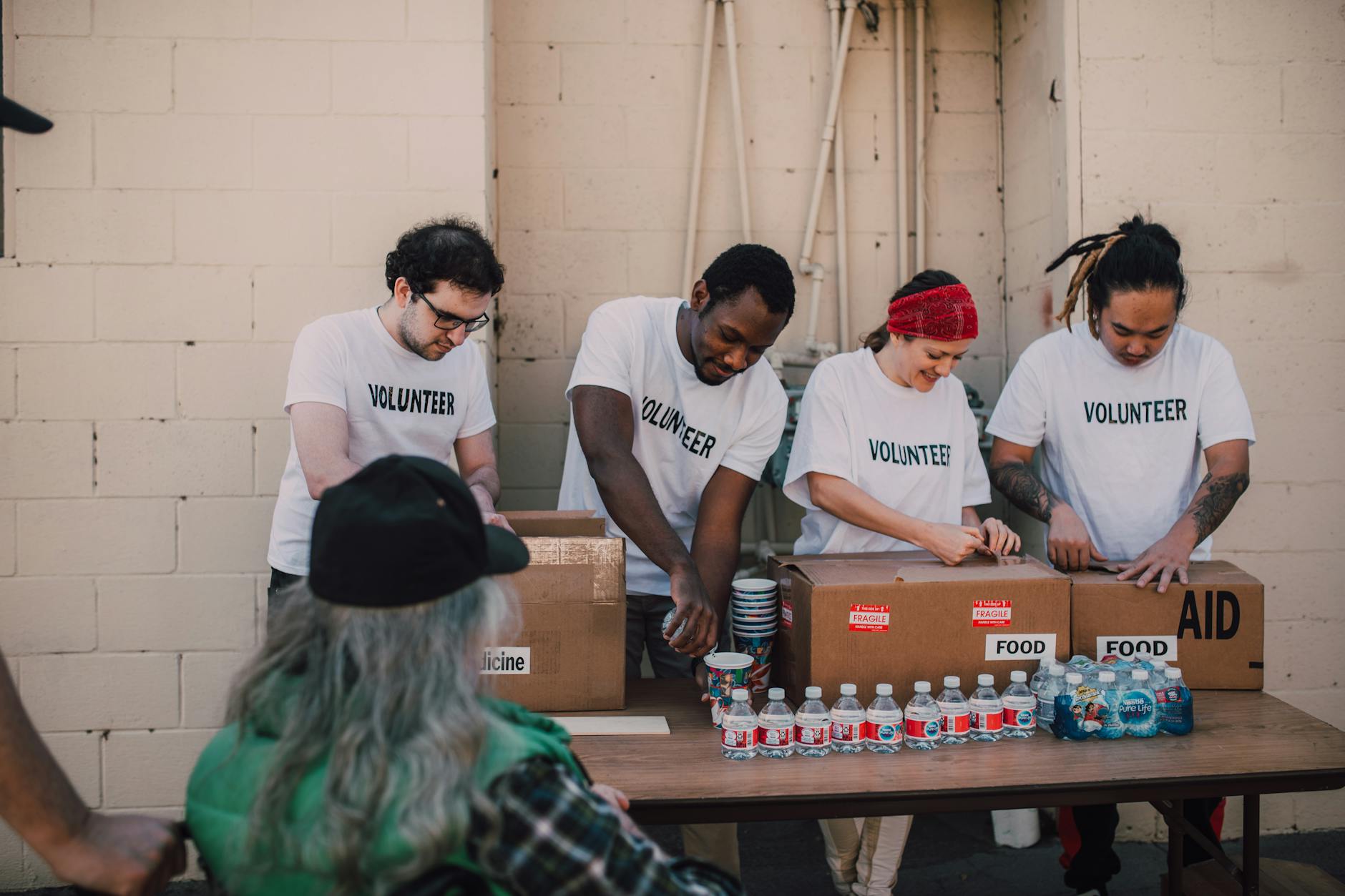
Once you have identified your community's needs, the next step is to set up a system that allows people to support one another. This might involve organizing a group or initiative that focuses on providing help and resources to those in need, such as a mentorship program or a volunteer network.
Listen to Each Other's Stories
One crucial aspect of building a compassionate environment is to make sure people are really hearing each other. This means creating spaces where people can share their experiences, and where others can offer guidance and support without judgment, as I've seen in a local community center that hosts weekly discussion groups.
Encourage Everyone to Get Involved
Lastly, it's essential to encourage everyone to participate and contribute. This might involve hosting events, creating opportunities for people to share their stories, or providing resources that can aid people in overcoming their unique challenges, which can help create a unified front and shared sense of purpose among community members.
A Supportive Environment Makes All the Difference
One thing is clear: living in a place where people genuinely care for one another is a powerful tool for dealing with life's challenges. By setting up a system that allows people to support one another, listening to each other's stories, and encouraging everyone to get involved, you can create an environment that helps people thrive even in tough times, and that's something to be cherished and nurtured.