The First Christian to Die Was a Party Planner
We tend to imagine martyrs as stoic saints. Marble statues with hands clasped, eyes closed, serene in the face of death. We picture them on hillsides or in catacombs, far removed from the messy reality of daily life.
But look closer at Stephen in Acts 6. He wasn’t born into martyrdom. Before the stones flew, he was running a logistics operation.
He was feeding widows. He was organizing the early church’s service ministry. The Greek word for "deacon" (diakonos) literally means servant or attendant. Stephen was the guy making sure people had dinner. He was dealing with complaints, schedules, and the unglamorous grind of community service.
And then he died for it.
It’s a jarring contrast, isn’t it? The man who served soup is the one getting stoned. It breaks the template we often build in our heads: that faithfulness means waiting for a moment of high drama, or that forgiveness is something we do when the stakes are low.
Stephen’s final moments challenge that comfort. They show us that faithfulness isn’t always dramatic, and forgiveness isn’t always easy. Sometimes it’s just doing the work, day after day, until the world tries to crush you for it.
The View from Above
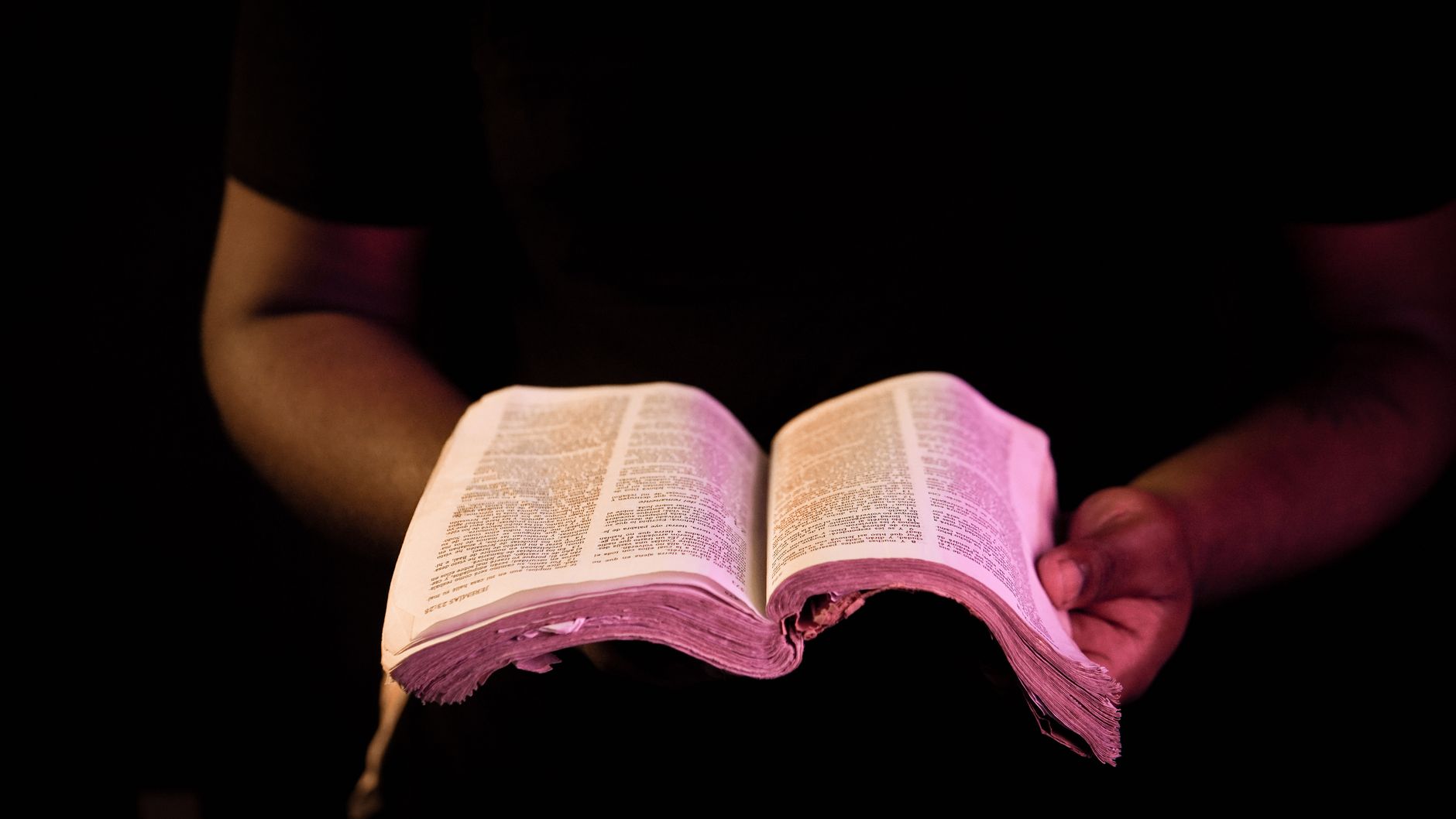
Let’s rewind to . This is the text that haunts me.
— "But Stephen, full of the Holy Spirit, gazed up heavenward and saw the glory of God, and Jesus standing at the right hand of God." — "Then he said, 'Look! I see heaven open and the Son of Man standing at the right hand of God.'" — "While they were stoning him, Stephen called out, 'Lord Jesus, receive my spirit.'" — "'Lord, do not hold this sin against them.' With these words he fell to his knees and died."
Read that again. Slowly.
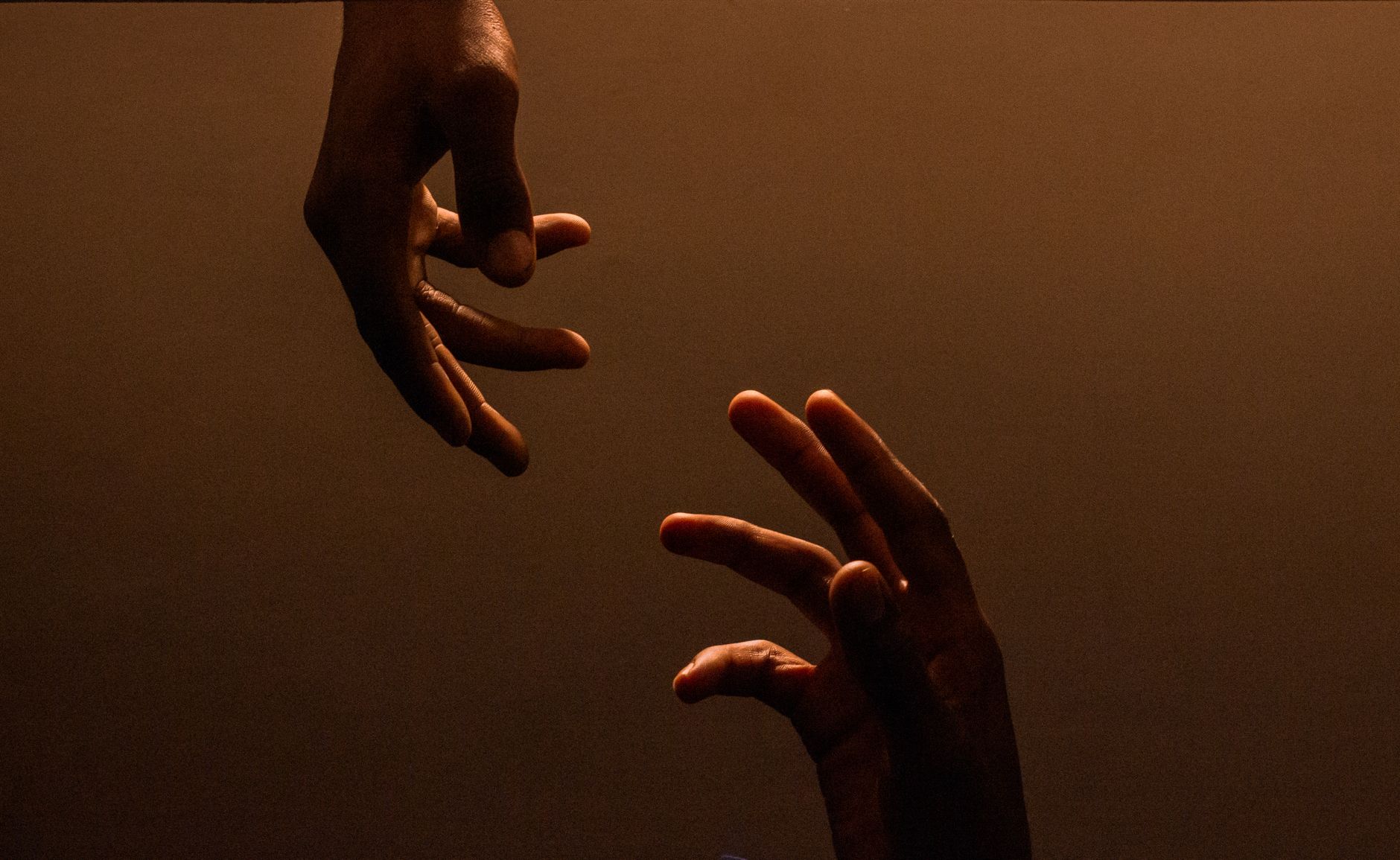
While people are pulling rocks from the ground, while they are screaming his name (or shouting down their anger at him), Stephen looks up. He doesn’t look at the stones. He doesn’t look at the men holding them. He looks at Jesus.
This is where I have to be honest with you. For years, I read this verse and felt a vague sense of admiration. "Wow, Stephen was so holy," I’d think. "I wish I had that kind of faith."
But it didn’t stick. It felt like a highlight reel, not a lived reality. I assumed Stephen had this natural ability to detach from pain, to rise above the noise. It felt like a superpower I didn’t have.
I’ve struggled with this. When someone hurts me, my first instinct isn’t to gaze heavenward. It’s to grip the stone. I want to throw it back. I want them to know exactly how much it cost me. The idea of saying, "Lord, do not hold this sin against them," while they are actively trying to kill you? It sounds impossible. It sounds like a lie.
But here’s what the text tells us: Stephen was "full of the Holy Spirit." He wasn’t relying on his own spiritual muscle. He wasn’t performing stoicism. He was connected to the source of strength that sees beyond the immediate pain.
That connection changes what you see. When Stephen looked up, he didn’t just see Jesus standing there. He saw the glory of God. He saw that this moment, this violence, was not the final word. The cross had already happened. The resurrection had already happened. Stephen’s death was just another chapter in a story that Jesus had already won.
The Counter-Intuitive Gift
There’s something strange about Stephen’s dying words: "Lord, do not hold this sin against them."
It wasn’t just the men holding the rocks. It was Saul of Tarsus. The one who was "breathing threats and murder" (). The one who would later become the most relentless hunter of Christians in history.
Stephen forgave Saul. On his deathbed, with blood on the ground and stones in mid-air, he prayed for the man orchestrating his execution.
This is where the "interfaith" or "global perspective" angle sneaks in, not as a debate, but as a radical witness. In a world that often operates on transactional justice—eye for an eye, debt paid in full—Stephen offers a different currency. He offers grace that doesn’t wait for an apology. It doesn’t wait for the offender to feel guilty. He just releases them into God’s hands.
It reminds me of a conversation I had once with a friend who is Muslim. We were talking about how different faiths handle grievance. In many contexts, honor and retribution are genuinely tied to identity. To forgive a public insult is to lose face. It’s a cultural weight that carries real social consequences.
Stephen, in the early Jewish context of Jerusalem, faced a similar pressure. His death was public. It was a spectacle. To forgive publicly, in that setting, required a level of conviction that transcended social custom. He was betting everything on the character of Jesus.
And it worked. Not immediately for Saul—Saul didn’t change that day in the street. But the seed was planted. Years later, on the road to Damascus, that same Saul (now Paul) would be blinded by light and hear a voice asking why he was persecuting Jesus. And Paul’s entire life became an answer to Stephen’s prayer.
Stephen’s forgiveness didn’t fix Saul’s behavior overnight. But it changed the trajectory of the Church. It showed that love is stronger than vengeance. That’s a message that travels well across cultures, doesn’t it? It speaks to the human desire for peace in a way that power structures never can.
Doing the Work While the Day Shortens
It’s late summer here. The days are getting shorter. You can feel it in the light, that subtle shift where evening comes on a bit faster than it did a month ago.
I think about that seasonality when I read Acts 6 and 7. The early church was in a phase of growth, but also of friction. They were preparing for what was coming. The expansion of the Gospel required hard work—serving widows, managing resources, dealing with conflict.
Stephen’s martyrdom wasn’t an accident. It was the fruit of faithfulness in the ordinary, leading to witness in the extraordinary.
We often think we need a "big" moment to be faithful. We wait for the crisis that will test us, so we can prove our mettle. But Stephen’s story suggests something quieter and harder: faithfulness is in the Tuesday afternoon errands of grace. It’s in serving when no one is watching. It’s in forgiving the small slights before they harden into grudges.
It’s easy to forgive when the cost is low. It’s easy to say, "I’m not mad," when someone bumps your elbow in a grocery line. Stephen’s forgiveness was costly. It cost him his life.
And yet, he did it because he saw Jesus positioned beside the Father. He knew where his life was going. He wasn’t looking for approval from the crowd. He was looking for acceptance from his Maker.
A Quiet Ending
I don’t have a neat application to leave you with. No "try this prayer" or "do these three things."
I just want to sit with the image of Stephen, on his knees, in the dust. He doesn’t appear triumphant. He looks human. He’s afraid, probably. He’s in pain. But his eyes are up.
That’s the invitation. Not to stop feeling your anger, and not to pretend that forgiveness is a simple toggle switch you flip. It’s about looking up. It’s about trusting that Jesus sees the whole picture, even when you can only see the stone in your hand.
The days are shortening. The light is changing. There’s a quietness settling in over the summer that feels like an invitation to slow down, to look around, and to notice who is standing with us.
Stephen knew Jesus was there. He saw it before he died. And that sight made all the difference.
Maybe we don’t need to die for our faith. Maybe we just need to live it—messily, imperfectly, with stones in the background and grace in our hearts. That’s enough. That has always been enough.