God did not just save Noah; He signed a contract with the rainbow.
That sounds simple, doesn’t it? A boat. A flood. A rainbow. But if you’ve ever felt like you’re just waiting for the other shoe to drop—waiting for the diagnosis, the layoff, the breakup—you know how hollow "just wait" can feel. We live in a season where the days are starting to shorten. The light changes. It gets quieter. And in that quiet, the old stories start to feel less like myths and more like maps.
Noah’s story is often taught to children as a tale of animals and rain. But for adults trying to build resilience, it is actually a study in preparation, trust, and the sheer weight of a promise. It is about building something when you don't yet know why.
Let’s look at this from three angles: the text itself, the historical context of covenants, and what it looks like in your life this Tuesday morning.
Lens One: The Text and the "Why"
Open your Bible to Genesis. Read chapter 6 through 9. Don’t skim. Read it slowly.
Notice the details. God tells Noah to build the ark out of gopher wood. He tells him to coat it with pitch inside and outside. He gives him dimensions. He instructs Noah regarding the pairs of clean and unclean animals. He directs him to store up food.
Why so many instructions? Because Noah didn't have a blueprint. He had to trust that the One giving the instructions knew what He was doing. This is the core of resilience. Resilience isn't gritting your teeth and hoping. Resilience is trusting the Architect even when the blueprints look strange.
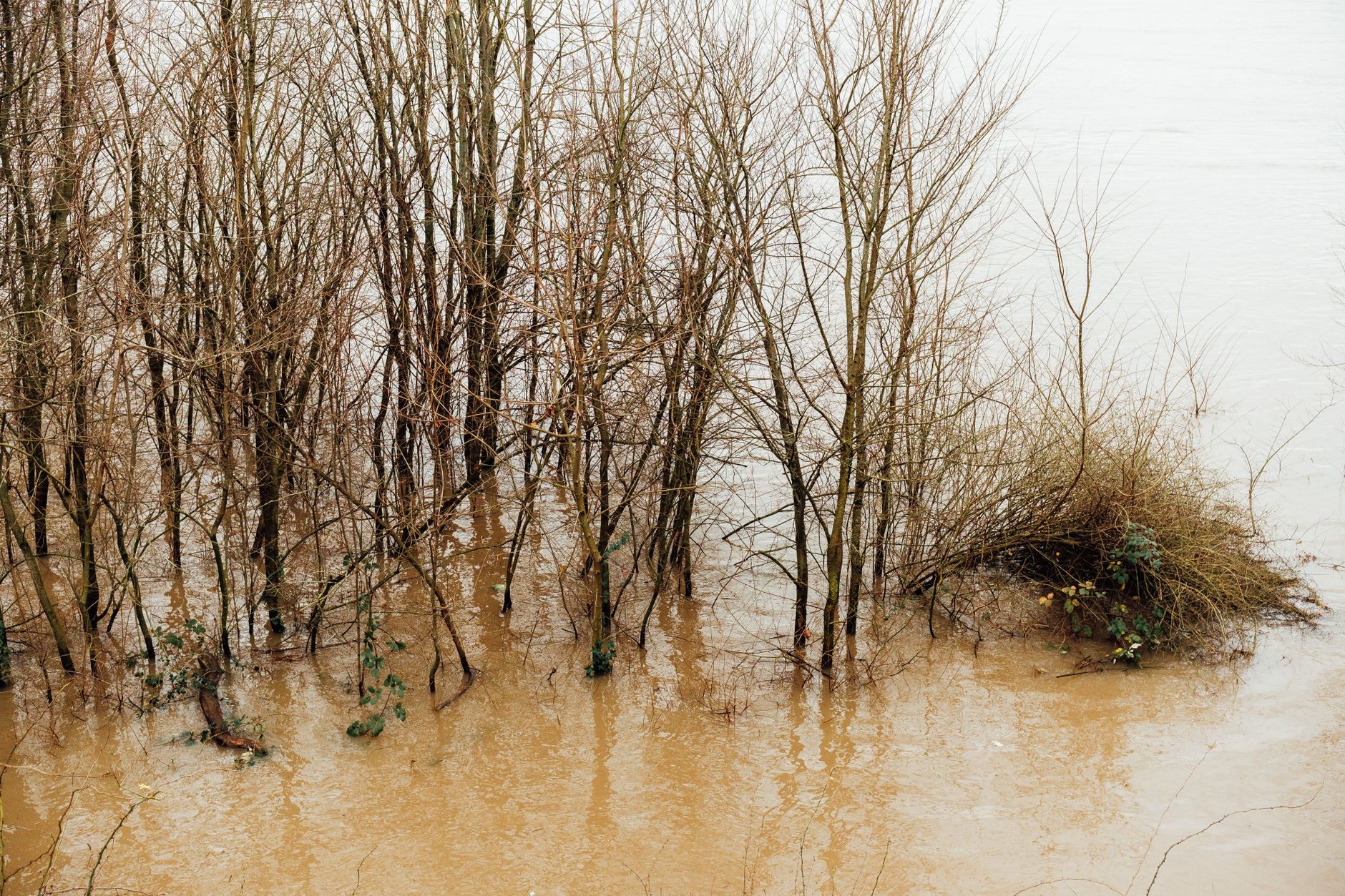
Then comes the flood. The waters rise. They cover the mountains. For 150 days, the water recedes. Noah sends out a raven. Then a dove. The dove returns with an olive leaf in its beak. That leaf is a sign. Life is returning. Green is pushing back through the brown.
And then, the covenant. — "I set my bow in the cloud, and it shall be for a token of a covenant between me and the earth."
This is key. The rainbow isn't just decoration. It is a seal. In the ancient world, a seal was proof. If a document had a king’s seal, it meant the king’s word was behind it. God puts His signature in the sky. He says, "I saw that. I remember that. And I am promising that I will not forget again."
When you feel like God has forgotten you, look up. The rainbow is still there. Or if it’s cloudy, trust that the promise is still valid. The seal hasn’t broken.
Lens Two: History and the Weight of Promises
To understand the covenant, you have to understand how people in that era viewed promises. To us, a promise is a moral obligation. If I promise to call you, and I don't, I broke my word. It’s a matter of integrity.
But in the ancient world, a covenant was a legal and social bond. It was often sealed with a ritual. Sometimes it involved cutting an animal in half and walking between the pieces. This symbolized, "If I break this agreement, may I suffer this fate." It was serious business. It bound families, nations, and kings together.
God’s covenant with Noah is universal. It’s not just for Israel. It’s for "every living creature." That’s huge. It means that the promise of mercy extends to all of creation. Even the birds. Even the fish. Even the insects.
Think about what that means for you. You are part of that family. You are under that protection. You don't have to earn your place in the covenant. You just have to stay in it. And staying in it usually means keeping the commandments. Which brings us to the third lens.
Lens Three: Application and Daily Life
So, how does this apply to your life right now?
First, preparation. Noah spent 120 years preparing. That’s a long time. Most of us want quick fixes. We want the problem solved by Friday. But true resilience often takes longer. It’s the slow work of building your spiritual muscles. It’s reading your Bible when you don’t feel like it. It’s praying when you can’t hear an answer. It’s serving someone else when you’re tired.
Start small this week. Pick one area of your life that feels unstable. Maybe it’s your finances. Perhaps it is your health. Or maybe it concerns your marriage. Identify one practical step you can take to prepare. Write it down. Do it. Don’t wait for motivation. Just do it.
Second, trust. Noah had to get into the ark. He had to close the door. He had to stay inside while the water rose. That required faith. He had to believe that God would keep Him safe.
Where do you need more trust today? Are you holding onto control too tightly? Are you worrying about things you can’t change? Try to release one worry this week. Pray about it. Then let it go. Trust that God is handling it.
Third, gratitude. After the flood, Noah built an altar and sacrificed to the Lord. The smell was pleasing to the Lord. Noah was grateful. He recognized that he was alive because God saved him.
Are you grateful? Or are you taking everything for granted? Take five minutes tomorrow morning. Sit quietly. List three things you are thankful for. Say them out loud. Really mean it. Gratitude builds resilience because it shifts your focus from what’s missing to what’s present.
A Quiet Close
The days are shorter now. The air is cooler. The leaves are starting to turn. It’s a good time to pause. To breathe. To remember.
We are all on that boat. We all survived the flood. And we all have the rainbow overhead. It’s not always visible. Sometimes it’s hidden behind clouds. But it’s there. And the covenant holds.
So, build your ark. Store your food. Send out your dove. And when you see the green leaf, know that life is coming back.
Trust the rainbow.