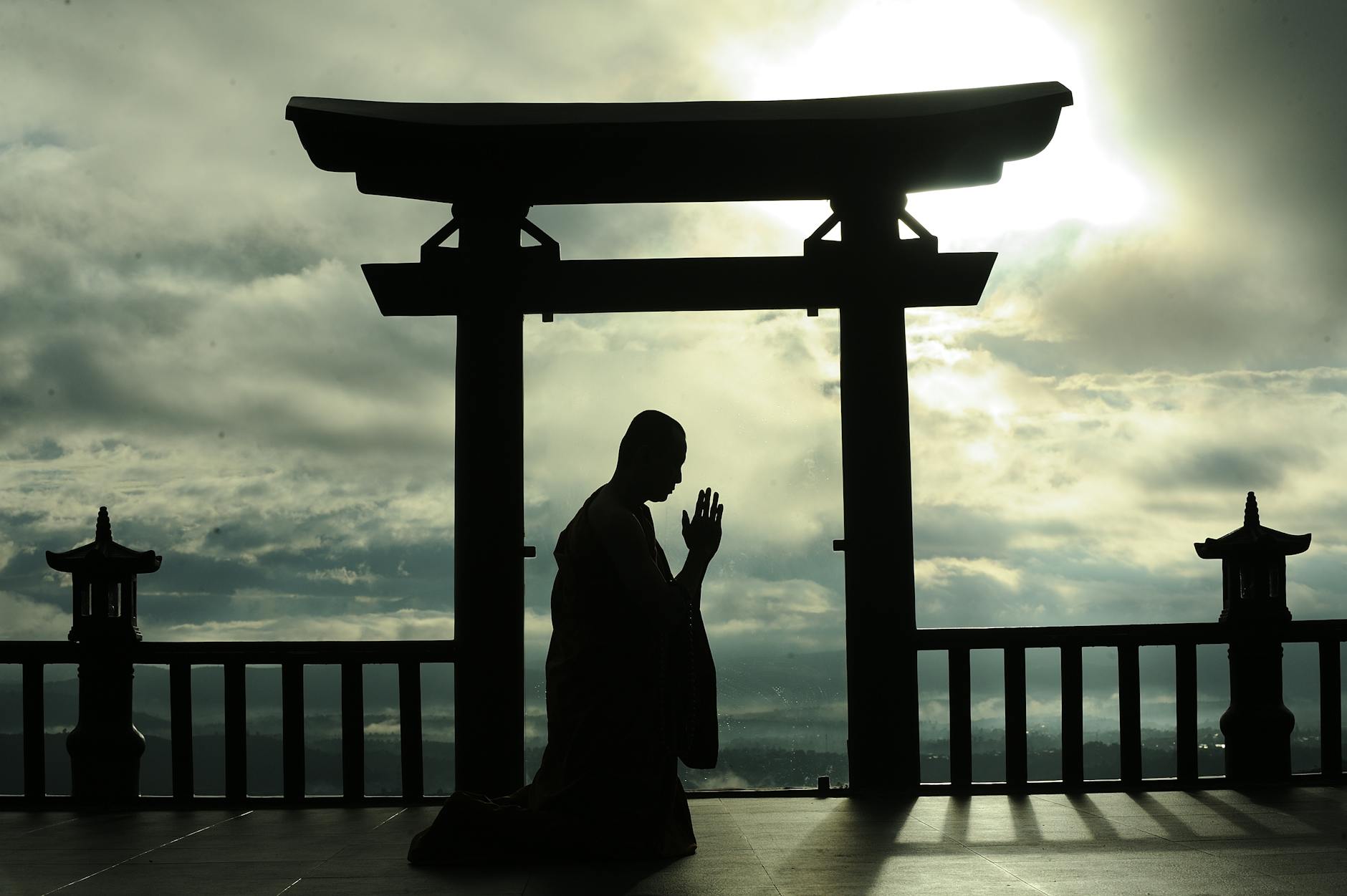
Healing Through Faith
As we navigate the complexities of modern life, it can be easy to forget the importance of our spiritual well-being. However, embracing a holistic approach to health and wellness can help us achieve a more profound balance and fulfillment. In this article, we'll explore how spiritual healing can complement mental health practices to promote well-being and emotional balance.
The Role of Spiritual Healing in Mental Health
Spiritual healing is the process of using religious or spiritual practices to promote physical, emotional, and spiritual well-being. While many people associate spiritual healing with religious traditions, the principles of holistic care can be applied to any spiritual path.
Spiritual healing techniques can be incredibly effective in treating a wide range of mental health conditions, including anxiety, depression, and stress. By incorporating spiritual practices into our lives, we can develop a stronger sense of self and better manage our emotions, which in turn enables us to overcome mental health challenges.
Techniques for Spiritual Healing and Mental Health
Meditation
Meditation is a powerful tool for promoting mental health and spiritual well-being. It involves focusing one's attention on the present moment, without judgment or distraction, to achieve a state of inner peace.
There are many different types of meditation, including mindfulness, guided imagery, and mantra repetition. Regular meditation can help reduce stress, improve mood, and increase feelings of calm and relaxation.
Journaling
Journaling is a simple but effective technique for processing emotions and thoughts. By writing down our experiences and feelings, we gain a better understanding of ourselves and our relationships with others.
Journaling can also be a powerful tool for personal growth. Reflecting on our values, beliefs, and goals helps us connect with our inner consciousness and find greater direction in life. For instance, I have found that writing down my daily gratitudes before bed helps me reframe my perspective and approach the next day with renewed energy and optimism.
Prayer and Devotion
Prayer and devotion are essential components of many spiritual traditions. Engaging in regular acts of worship and contemplation nurtures our connection to a higher power and provides guidance and support during difficult times.
Prayer can also be a source of comfort and strength. Asking for guidance and support from a higher power brings solace in times of need, and can help us cultivate trust and faith in our lives, allowing us to navigate challenges with greater confidence.
Yoga and Mindful Movement
Yoga and mindful movement are excellent ways to connect with our bodies and minds. Through the practice of yoga poses and mindful breathing, we increase flexibility, reduce stress, and improve our overall state of being.
By practicing mindful movement, we strengthen our bond with the natural world and develop a greater appreciation for life's simple joys. This, in turn, allows us to live more intentionally and find fulfillment in our daily experiences, fostering a more authentic and meaningful existence.
Integrating Spiritual Healing into Mental Health Treatment
While spiritual healing can complement mental health practices, it's crucial to approach it in a way that complements professional care. If you're currently receiving therapy, discuss your spiritual practices with your therapist to ensure they align with your treatment plan.
Additionally, remember that spiritual practices should not replace professional mental health care. If you're experiencing severe symptoms of a mental health condition, seek professional help as soon as possible.
However, by making time for spiritual practices, you can enhance your mental health care and overall quality of life. This, in turn, enables you to find more joy and satisfaction in your life, and to cultivate a more profound connection to your inner self, leading to greater emotional resilience and a more compassionate heart.
A Personal Reflection
I recall a particularly challenging period in my life when I found solace in nature. Taking walks in the woods helped me clear my mind and gain a new perspective on my problems. This experience taught me the value of connecting with the natural world and finding peace in its beauty. I also started volunteering at a local community garden, where I met like-minded individuals who shared my passion for wellness and spirituality. Together, we would practice meditation and yoga, and share our personal stories of struggle and growth, creating a sense of community and belonging that was invaluable to my healing journey.
Conclusion
Spiritual healing offers a unique approach to promoting emotional and mental wellness. By embracing spiritual practices, we develop a more profound understanding of ourselves and the world around us, which enables us to better navigate life's challenges.
Regular meditation, journaling, and prayer can be incredibly effective in managing our emotions and finding inner peace. By embracing these practices, we can live more authentic, meaningful lives and develop a stronger connection to our inner selves, leading to greater emotional resilience and a more compassionate heart.
Remember, if you're currently experiencing severe symptoms of a mental health condition, it's essential to seek professional help as soon as possible. However, by embracing spiritual practices, you can enrich your life and find more happiness and contentment, and cultivate a sense of inner fulfillment that will stay with you throughout your journey, guiding you toward a path of greater harmony and self-awareness.