Mindfulness for Resilience
Life can be challenging, and sometimes we find ourselves in difficult situations that leave us feeling overwhelmed and uncertain. In these moments, it's essential to remember that we have the power to find our way through these challenges and come out stronger. One key tool for making this happen is mindfulness.
What is Mindfulness?
Mindfulness is a practice that helps us become more aware of our thoughts, feelings, and surroundings. It involves focusing on the present moment, without judgment, and treating ourselves and others with kindness and compassion. Mindfulness makes us more aware of our own thoughts and emotions, which in turn helps us respond to tough situations more effectively.
How to Practice Mindfulness
There are many ways to practice mindfulness, but some common techniques include:
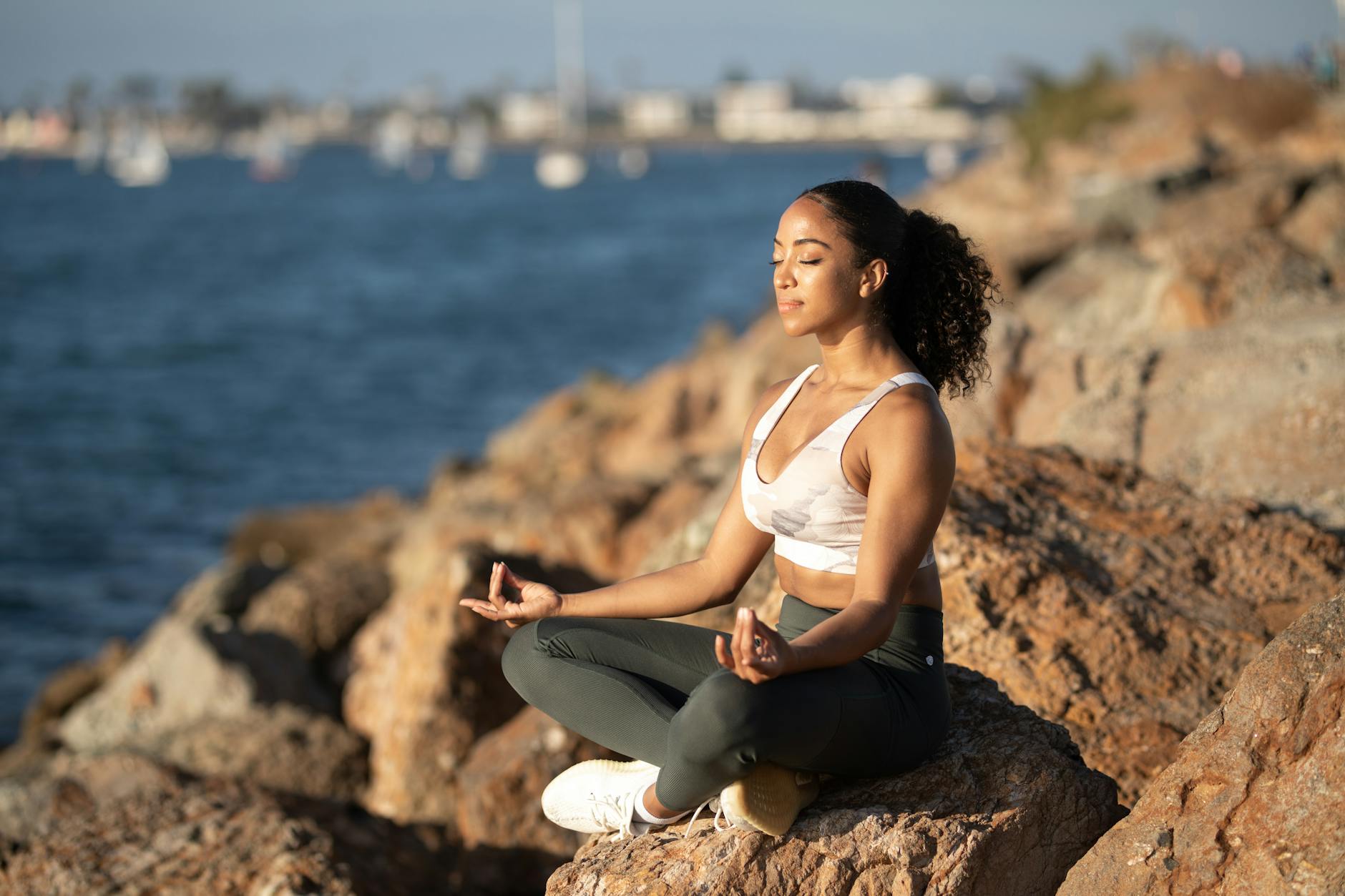
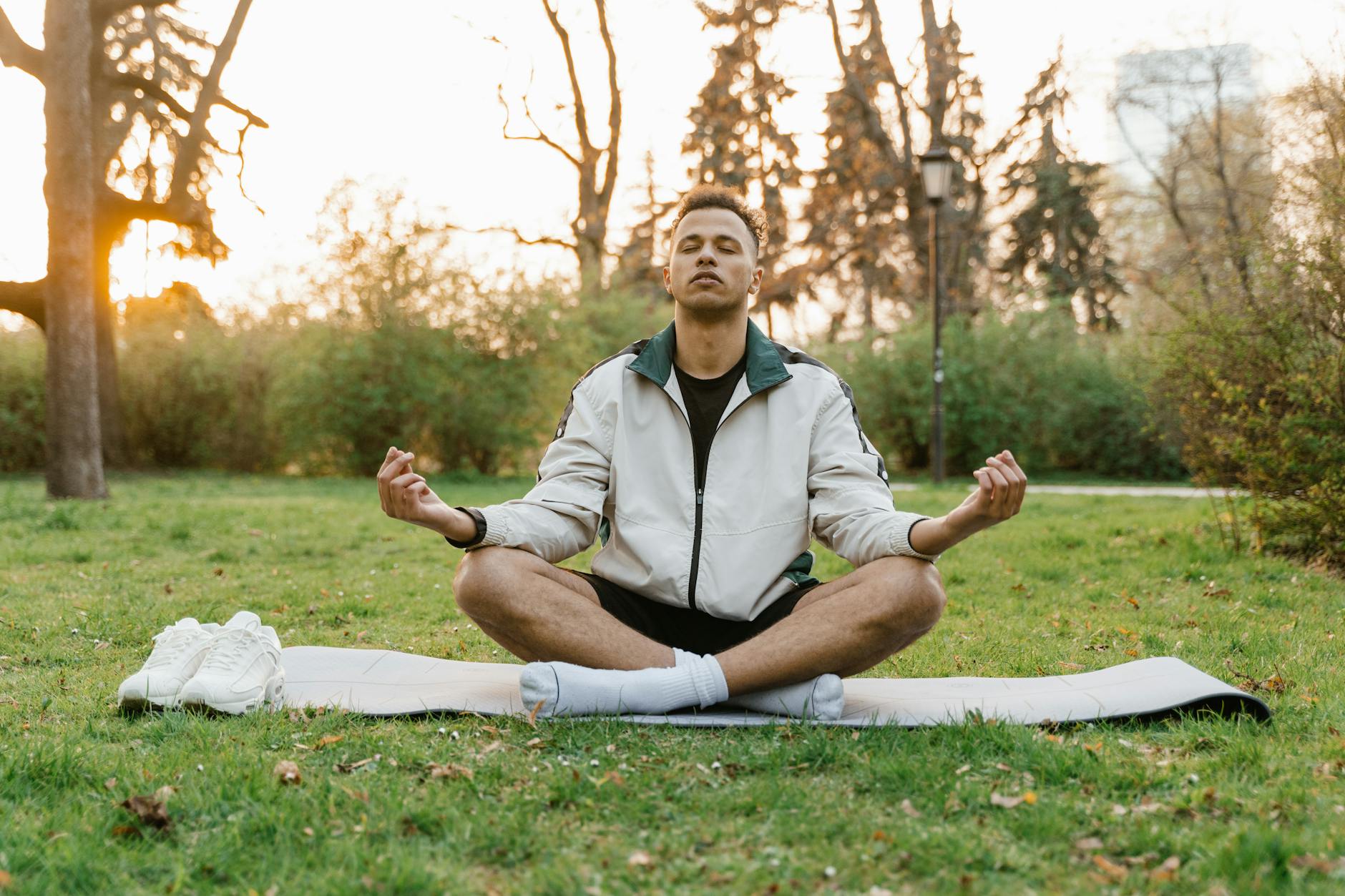
- Meditation: This involves sitting in a comfortable position and focusing on each inhale and exhale, letting thoughts pass without getting caught up in them. For example, I've found that taking a few minutes each morning to sit quietly and focus on my breathing helps me clear my mind and set a positive tone for the day.
- Yoga: Yoga is a physical practice that teaches us to pay attention to our bodies and minds. Many yoga poses involve holding a posture for a period of time, which helps us tune in to our physical sensations and calm our minds. This practice has been particularly helpful for me during stressful periods, as it allows me to release tension and find a sense of calm.
- Walking meditation: This involves walking slowly and deliberately, noticing the way our feet touch the ground and the sounds around us. As we walk, we notice how our thoughts and feelings shift, and gain insight into our mental state without getting caught up in it.
How Mindfulness Contributes to Resilience
Mindfulness contributes to our ability to cope with difficult situations in several ways:
- Increased awareness of our thoughts and emotions: Mindfulness teaches us to recognize and understand our emotions, making it easier to manage stress and respond to challenges in a healthy way. By paying closer attention to how we feel and react, we're better equipped to make informed decisions and take deliberate actions. For instance, when I'm feeling anxious, I've learned to acknowledge the sensation and take a few deep breaths to calm down, which helps me think more clearly about the situation.
- Improved stress management: When we're mindful, we're better able to recognize the signs of stress and take steps to manage it. This might involve taking a few deep breaths, going for a walk, or practicing a relaxation technique. As a result, we're less likely to feel overwhelmed and more likely to find a sense of balance, allowing us to navigate life's challenges with greater ease.
- Enhanced problem-solving skills: Mindfulness helps us develop a clear and level-headed approach to problems, enabling us to break them down into manageable parts and devise effective plans to tackle them. Through this process, our capacity for creative thinking and resourcefulness expands, empowering us to find innovative solutions.
Integrating Mindfulness into Daily Life
We can bring mindfulness into our daily routines in small but meaningful ways. Here are some tips for making mindfulness a part of our everyday lives:
- Start the day by taking a moment to collect your thoughts and set intentions. This simple practice can help you feel more grounded and focused. I recall a particularly chaotic morning when I took a few minutes to breathe and prioritize my tasks, and it made all the difference in how I approached the rest of my day.
- Try doing everyday activities like eating or showering with full attention. Notice the flavors, textures, and sensations involved, and see how this changes your experience. I've found that even mundane tasks like washing dishes can become more enjoyable when I focus on the sensation of the water and the sound of the suds.
- When faced with a difficult situation, try to approach it with curiosity and openness. Ask yourself what you can discover from the experience, and look for opportunities to grow and develop as a person.
Conclusion
Developing the strength to handle life's challenges is a process that takes time and practice. By making mindfulness a regular part of our lives, we become more resilient and better equipped to respond to tough situations with confidence and poise. It's essential to be patient and kind to ourselves as we navigate this journey, acknowledging our progress and celebrating small victories along the way.
As we work to develop our resilience, it's crucial to treat ourselves with kindness and acknowledge our growth, no matter how subtle. With consistent practice, we'll find that we're able to face life's challenges with courage, compassion, and wisdom, emerging stronger and more resilient with each passing day.