Cultural Practices that Honor Ancestry and Unity
In this article, we will explore the cultural practices that honor ancestry and unity, and how they contribute to the health and well-being of individuals and communities.
Ancestor Worship
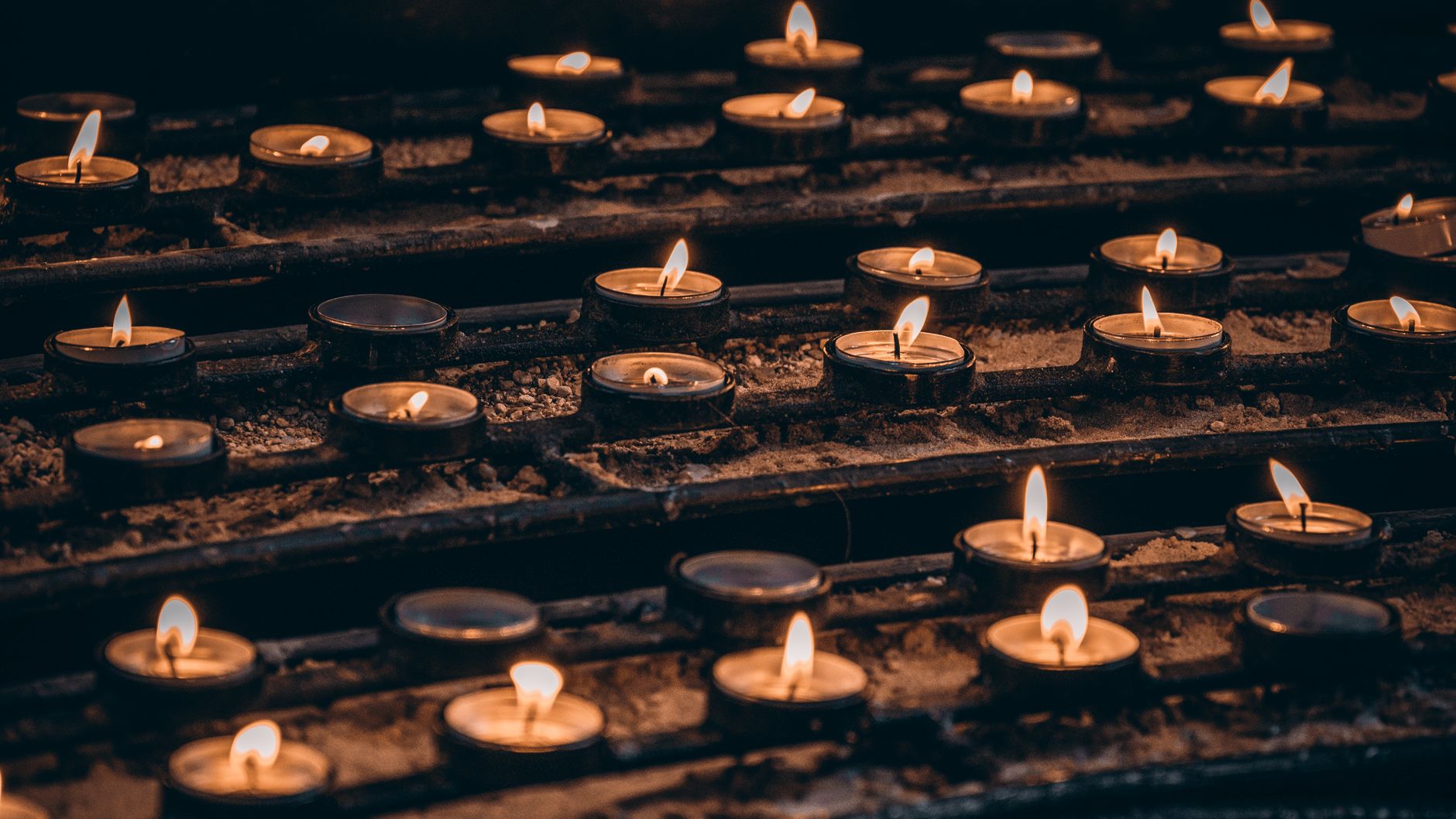
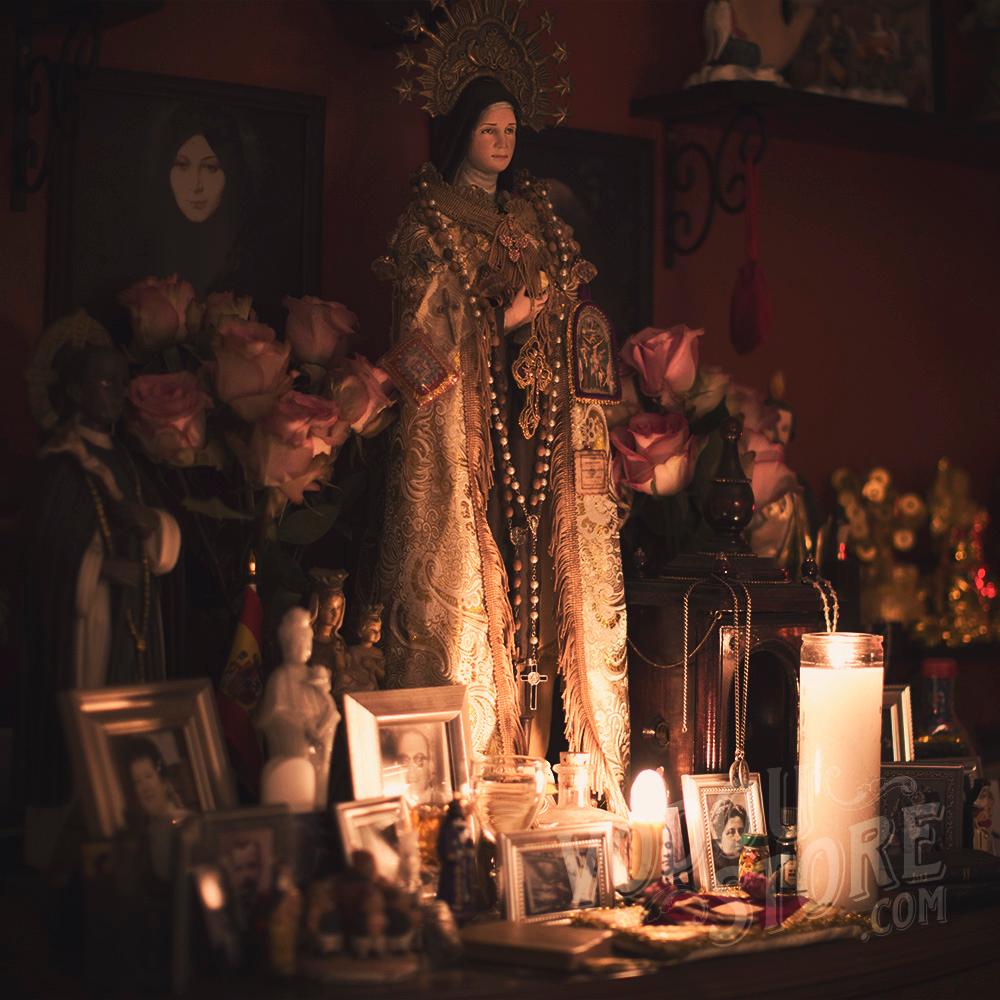
Ancestor worship is a practice that honors the contributions of past generations and the bonds of family. In many cultures, ancestors are believed to continue to watch over and guide their descendants. This belief is often expressed through rituals, such as offering prayers, offerings, or ceremonies in their honor.
For example, in many African cultures, ancestor worship is a central part of the religious tradition. Families visit the graves of their ancestors to honor their memories and seek guidance. In some cases, a priest or shaman may be consulted to communicate with the spirits of the ancestors.
The importance of ancestor worship extends beyond the individual level. In many cultures, the ancestors are seen as the foundation of the community, and their memory is celebrated to maintain the unity and strength of the community. I recall a personal experience where I attended a traditional ceremony in a rural village, and witnessed firsthand the deep respect and reverence that people had for their ancestors - it was truly humbling to see how this practice brought people together. As I reflect on that experience, I realize that these customs have been passed down through generations, with each family adding their own unique traditions and stories, making the practice even more meaningful and personal. For instance, I saw how the village elders would share stories of their ancestors' struggles and triumphs, which served as a reminder of the community's history and resilience, and inspired the younger generation to learn from the past and build a better future.
Family Unity
Family unity is another cultural practice that contributes to the flourishing of communities. In some societies, family is seen as the primary source of social and emotional support, and family members are expected to work together to overcome challenges and achieve success.
For example, in certain Asian cultures, the extended family plays a significant role in the lives of its members. Family members often live together, and work together to support one another. This close-knit community provides a feeling of security and stability that can help people navigate life's challenges. Family gatherings and celebrations, such as the Chinese New Year or Thanksgiving, serve as opportunities for families to come together and strengthen their bonds, sharing stories and creating new memories that bring them closer together.
In addition to the practical support that family provides, the emotional bonds that family members share can have a direct impact on their overall quality of life. Family members often provide a feeling of belonging and connection that can help people feel valued and loved, which is essential for building strong, resilient communities.
Conclusion
Love and family are universal values that transcend cultural boundaries. While the specific customs and traditions may vary, the importance of these values remains constant across cultures. Ancestor worship and family unity are two customs that bring people together, and contribute to the prosperity and stability of communities.
By embracing these traditions, people can build a strong foundation for their lives, and foster a deeper connection with those around them. By acknowledging the contributions of past generations and the bonds of family, communities can create a brighter, more hopeful future for themselves and their children, one that is rooted in a sense of shared history and mutual support.