Isaiah’s Hope: Finding Strength When Promises Feel Delayed

Hope isn’t a feeling. It’s a fact about who God is, regardless of how you feel right now.
We tend to think of hope as something fragile. Like a paper airplane catching an updraft, it’s at the mercy of the wind. If the mood shifts, if the diagnosis changes, if the bank account dips, hope flies away. But that’s not what Isaiah is talking about. Not in the thick of it anyway.
Isaiah wrote into a nightmare.
He stood in Jerusalem while empires rose and fell like tides, watching his people stumble into idolatry, exile, and silence. He didn’t write from a mountaintop of serenity. He wrote from the mud. And yet, his words are some of the most durable things in Scripture.
If you’re reading this on a lazy summer afternoon, with the house quiet and the sun hanging heavy in the sky, it’s easy to skim over these ancient words. They feel distant. Or too big. Too theological.
So let’s slow down. Let’s look at the texture of Isaiah’s hope, verse by verse, not as a lecture, but as a conversation.
Why Does Hope Feel So Heavy Right Now?
You’ve probably sat in your car after work, not wanting to go inside, wondering if this was all there was. That heaviness? Isaiah knew it.
Look at (NIV): "But those who hope in the Lord will renew their strength. They will soar on wings like eagles; they will run and not grow weary, they will walk and not be faint."
Notice the order. It doesn’t say, "Run to get strength." It says, hope in the Lord, and then the strength comes.
The Hebrew word for hope here (qavah) implies a waiting, but not the passive kind. It’s like a rope being twisted tight. There’s tension there. You’re holding on, but you’re also pulling back.
We often mistake this for endurance. We think hope means gritting your teeth and keeping going. But Isaiah is promising a renewal of power. A fresh supply.
I’ll be honest, I’ve struggled with this too. For years, I read "soar on wings like eagles" and felt inadequate. Eagles are majestic. I am… well, I’m usually just trying to keep the laundry from spilling over the chair.
But here’s the thing about eagles. They don’t fly by flapping harder when the wind dies. They catch the updrafts. They use what’s already there.
Isaiah is saying that your hope isn’t generated by your effort. It’s anchored in God’s character. When you stop striving to create hope and start trusting the One who is hope, the exhaustion lifts. It’s not that your circumstances change immediately. It’s that your capacity to endure them expands.
How Do We Hope When the Promises Seem Delayed?
This is the question that keeps believers up at night. God said it. Why hasn’t He done it?
Turn to (NIV): "So do not fear, for I am with you; do not be dismayed, for I am your God. I will strengthen you and help you; I will uphold you with my righteous right hand."
It’s one of the most quoted verses in the Bible. But reading it quickly, we can miss the conditional logic.
"Do not fear… for I am with you."
God isn’t promising to remove the fear. He’s promising His presence in the fear.
There’s a difference between being alone in a dark room and knowing someone is standing right behind you, even if you can’t see them. That’s what "with you" means.
And look at the verbs. Strengthen. Help. Uphold.
These aren’t passive states. They are active interventions. Notice that God says, "I will uphold you with my right hand." Not yours.
We tend to rely on our own hands, which are often tired or shaking. God’s right hand is steady.
I used to read this verse during my own seasons of doubt and felt like a fraud. "Uphold me," God says, but I’m standing on my own two feet, barely.
Then I realized: the upholding isn’t about never falling. It’s about not hitting the ground hard enough to break.
When life feels like it’s unraveling, hope isn’t waiting for the whole pattern to be woven. It’s trusting that the Thread is holding the edges together, even when you can’t see the design.
It’s okay to be dismayed for a moment. Dismay is just surprise meeting pain. But don’t let it harden into despair. Despair says, "God is gone." Dismay whispers, "Where are You?"
Isaiah answers that whisper with a shout. Here I am.
What Does Hope Look Like in the Midst of Pain?
Isaiah doesn’t skip over the pain. He stares right at it.
In (NIV), God speaks to Israel in the middle of their exile, surrounded by enemies: "When you pass through the waters, I will be with you; and when you pass through the rivers, they will not sweep over you. When you walk through the fire, you will not be burned; the flames will not set you ablaze."
Notice that God doesn’t promise to stop the waters. He doesn’t promise to put out the fire.
He promises that you will pass through.
This is crucial. Many of us pray for the fire to stop. We want the healing, the provision, the breakthrough before we cross over. But Isaiah shows us that hope often lives inside the trial, not just after it.
You don’t have to wait for the storm to end to experience God’s presence. You meet Him in the rain.
I remember a season where I felt like I was walking through fire daily. Small fires, mostly. Miscommunications. Unexpected bills. Aches and pains that didn’t make sense. I kept waiting for God to pull me out of the flames entirely.
Instead, He taught me how to walk without getting burned.
There’s a resilience in that kind of hope. It’s not the hopeful optimism of a sunny day picnic. It’s the gritty, dirt-under-the-fingernails trust that says, "This is hard, but I am not alone in it."
The waters won’t sweep you over. The fire won’t consume you. Not because you’re strong, but because He is with you.
How Do We Hold Onto This When the World Shifts?
Finally, let’s talk about the future. Not some distant, far-off heaven, but the immediate hope that changes how we live today.
(NIV) says, "For I the Lord your God hold your right hand; with my words of righteousness I say to you, 'Fear not.'"
And later, in (NIV), "Even to your old age I am he, even to gray hairs you will carry me. I have made and I will bear; I will carry and will save."
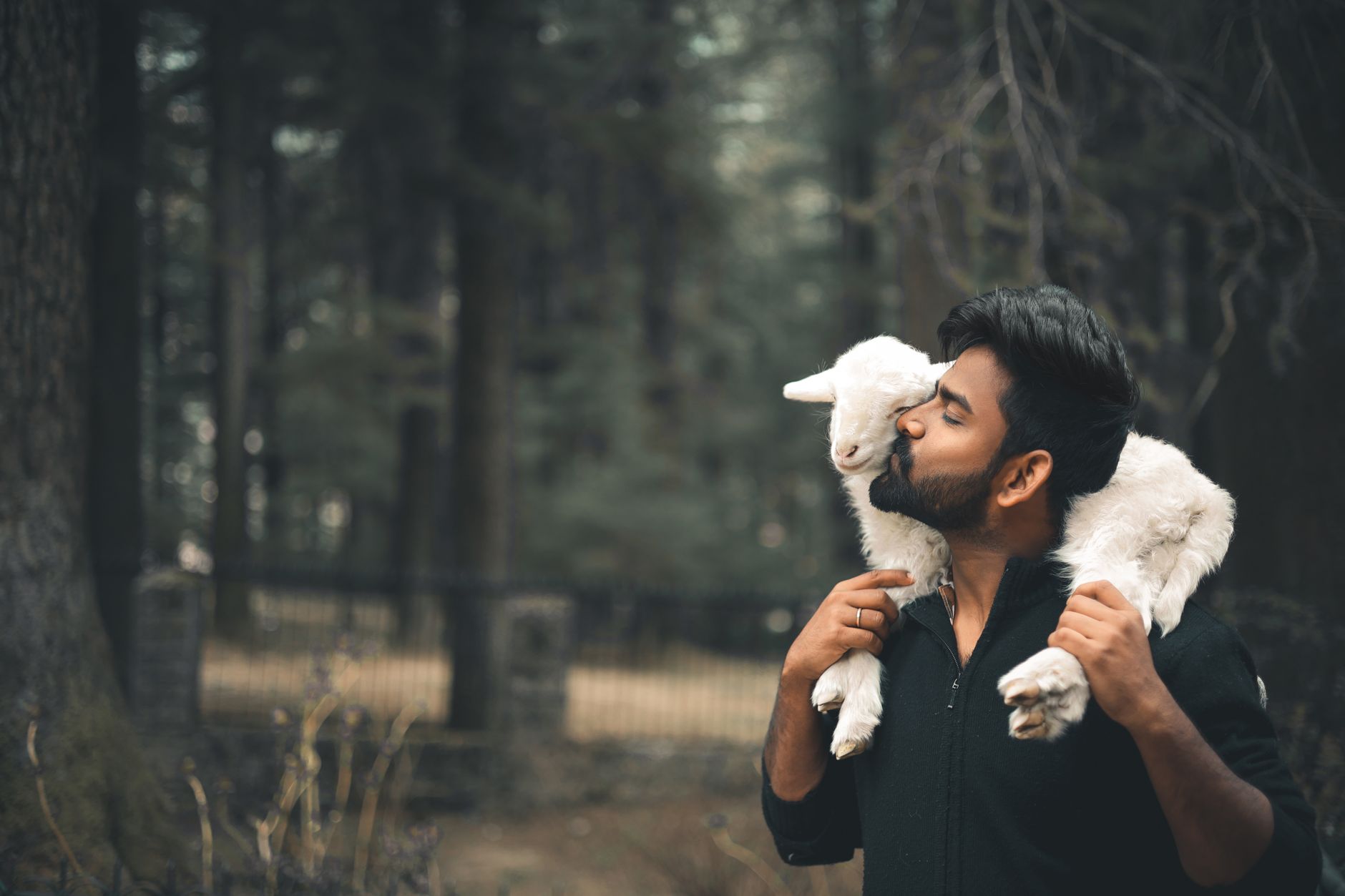
God is the Carrier.
In a world that shifts constantly—politics, technology, health, relationships—we are often the ones trying to carry everything. We hold our families, our careers, our reputations, our peace of mind. We are tired.
Isaiah offers a different posture. Let God carry you.
This isn’t about passivity. It’s about trust. It’s about releasing the white-knuckled grip you have on your life and letting God take the weight.
Think of it like learning to trust a guide on a mountain trail. You still walk. You still climb. But you know that if your leg gives out, the guide will catch you. You don’t have to be perfect; you just have to stay close.
That’s hope. It’s not a guarantee that everything will go right. It’s a guarantee that God is holding your hand through it all, until the very end.
So, what do we do with this?
We don’t just file Isaiah’s words away in a mental drawer. We wear them.
When the anxiety rises, we remember: He is with you. When the work feels endless, we remember: He renews strength. When the fire roars, we remember: You will pass through.
Hope is not a destination. It’s a companion. And His name is Jesus.
Lord, thank You for Isaiah. Thank him for speaking into the dark and seeing light. Help me to stop striving so hard to create my own hope, and instead to rest in Yours. When I am tired, remind me that You are carrying me. When I am afraid, whisper Your righteousness to my soul. I choose to hope in You today. Not because things are easy, but because You are good. Amen.