You’re standing in your kitchen, waiting for the kettle to boil. It’s one of those humid July afternoons where the air feels thick enough to chew, and the cicadas are already drilling into the heat. You check the weather app on your phone. Chance of rain: 10%. You sigh. There are errands to run. Emails need answering. There’s a quiet, nagging worry about whether you’re actually making a difference in your little corner of the world.
And then, the sky changes.
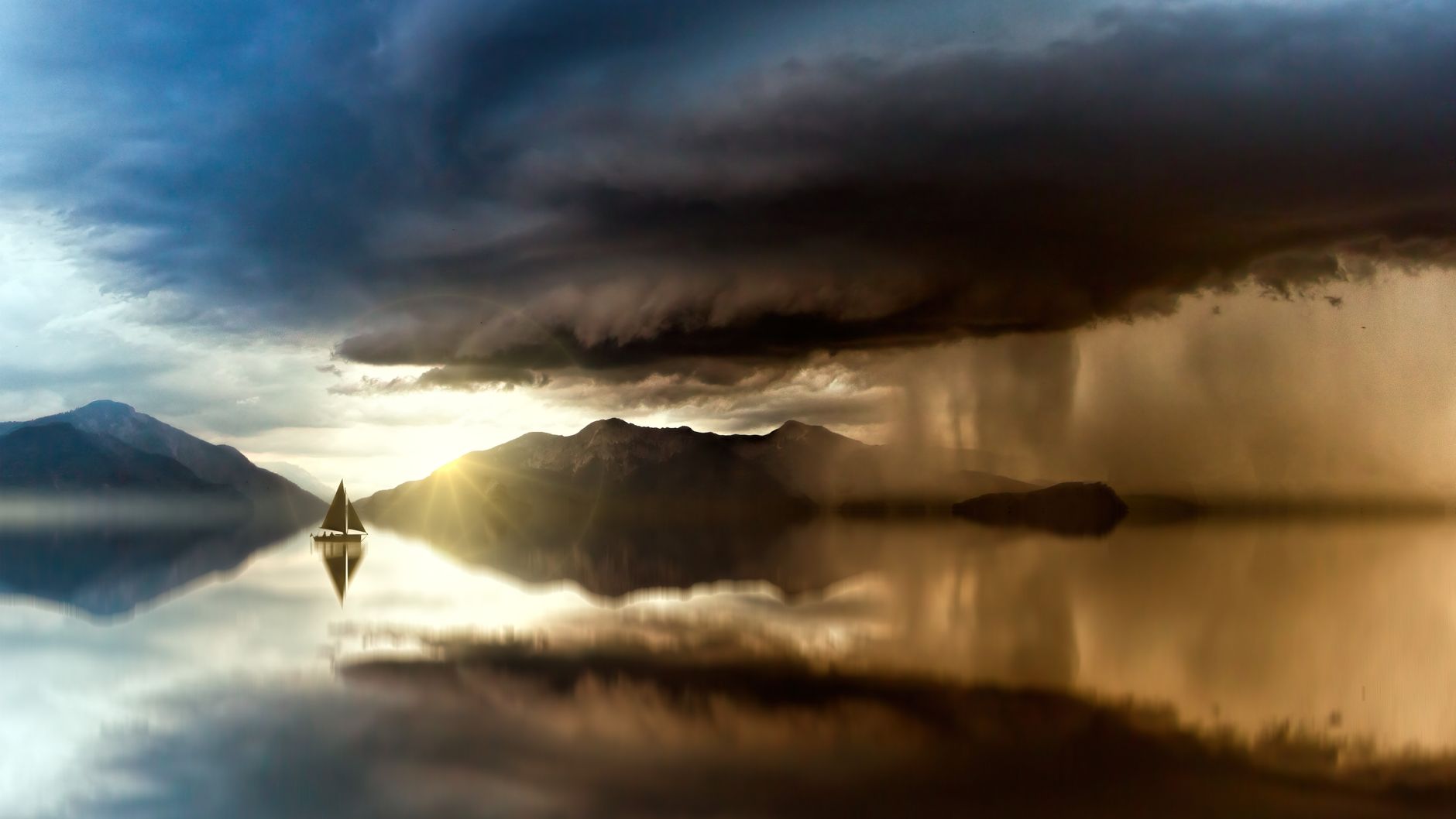
Not slowly. Not with the gentle fade of a sunset. It just… drops. The light turns greenish-gray. The wind picks up, rattling the windowpanes you thought were secure. And then the rain comes. Not a drizzle. A deluge.
You step out onto the porch, just for a second, and get hit by the first heavy, warm drops. You don’t even mind the wet. You just watch the water sheet off the roof, washing the dust from the driveway. You breathe.
Somewhere in that pause, between the anxiety of the morning and the relief of the storm, you might remember a story. Maybe you heard it as a child, drawn in crayon on a Sunday school worksheet. A boat. Animals. A guy named Noah. And a rainbow.
We tend to treat the rainbow as a billboard. A divine sign-up sheet. We look up and think, God is watching me. But if you read the text closely, if you really lean in, the story flips. The rainbow wasn’t primarily a comfort for us. It was a reminder for Him.
It’s a subtle shift in perspective, but it changes everything about how we handle the storms in our own lives.
What Does "Covenant" Actually Mean Here?
When we hear the word "covenant" in church, we usually think of a contract. Or a blessing. We think of God promising to be good to us. And while that’s true, the Hebrew word berith carries a heavier, more structural weight. It’s a binding agreement. A treaty. A solemn pact that holds reality together.
After the Flood, the earth was reset. The chaos was contained. But Noah and his family were still down there, in the mud, looking up at a sky that had just poured out judgment. They were probably terrified. Was this it? Would it happen again?
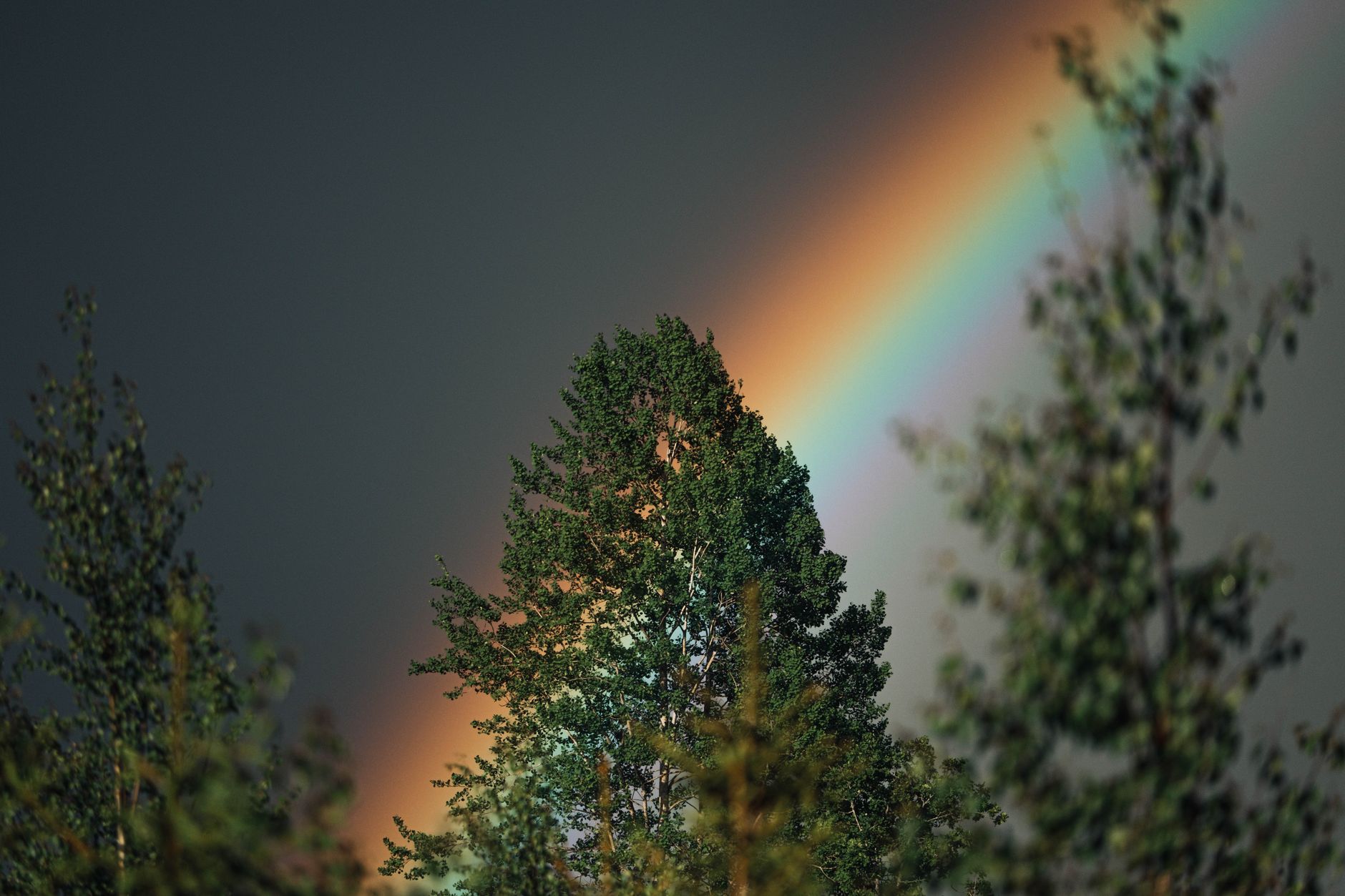
tells us God speaks to Noah. He establishes a covenant with Noah and his descendants, and with every living creature. And His sign? The bow in the cloud.
"I have set my bow in the cloud, and it shall be for the sign of the covenant between me and the earth." (ESV)
Notice the grammar. Notice who is doing the remembering.
"When the bow is in the clouds, I will see it and remember the everlasting covenant between God and every living creature of every flesh that is on the earth." ()
God says, "When I see it, I will remember."
We like to think of God as the one who forgets. We’re the ones who forget our promises, who drift from our vows, who let distractions slip our minds. But the Creator of the universe? He doesn’t forget. He chooses to remember.
And what does He choose to remember when He sees the arc of light breaking through the storm clouds? He remembers the judgment. He remembers the wrath. He recalls the cost of sin.
The rainbow is God’s way of looking at the beauty of the world and saying, "I won’t destroy it again. Not because we earned it. Not because we’re good. But because I have decided to hold My wrath back."
It’s a promise of restraint.
I’ll be honest, I’ve always struggled with this part. I used to read the Flood story and focus on the destruction. The drowning. The chaos. It felt unfair. How could a loving God drown the world? But standing in that kitchen, watching the rain lash the siding, I realized the rainbow isn’t just about peace. It’s about the cost of peace.
It’s about a God who could snap His fingers and wipe us out again, but chooses to hold the sword.
Why Do We Feel So Alone in the Storm?
If the rainbow is a sign of God’s restraint, why does it feel like He’s absent when the storm hits?
We live in a culture that treats faith like a shield. We believe that if we just have enough "faith," the storm won’t touch us. We expect the sky to stay blue. We expect the kettle to boil without us watching. When the rain comes—and it always comes—we feel betrayed. We think, If God were really with me, I wouldn’t be wet.
But Noah wasn’t dry. Noah was in the vessel. Noah was surrounded by water. Noah was trusting God while his feet were wet and his ears were ringing with thunder.
The covenant wasn’t that God would stop the rain. The covenant was that God would be with them in the rain.
Think about the ark. It wasn’t a yacht. It was a barge. A floating box. It was slow. It was quiet. It was isolated. For a year, Noah and his family lived in a tiny, wooden bubble while the rest of the world they knew was submerged. They were cut off. They were vulnerable.
And yet, God remembered them. ()
"But God remembered Noah and all the beasts and all the livestock that were with him in the ark, and he made a wind blow over the earth, and the waters subsided."
The Hebrew word for "remembered" (zakar) doesn’t mean He just recalled a fact. It means He acted. He mobilized. He intervened.
We feel alone in our storms because we’ve confused God’s presence with God’s control. We want Him to stop the rain. But often, He’s just telling us He’s in the vessel with us.
The rainbow appears after the rain. It doesn’t prevent the storm. It doesn’t dry up the flood. It appears when the clouds are still there, still holding water, still threatening. It’s a promise that the water won’t rise again to destroy.
So when you’re in that humid kitchen, or sitting in your car after work, or lying awake at 3 AM wondering if you’re making it through—remember this: You are not abandoned. You are in the vessel. The waters are rising, yes. But the judgment has been held at bay. The covenant is secure.
How Does This Change How We Live?
If God’s promise is one of restraint, what does that ask of us?
It asks for gratitude. Not the polite, "Thanks for the nice day" kind of gratitude. But a deep, visceral thankfulness for the fact that we are still here. That the earth hasn’t ended. That the judgment we deserve is being held at bay by the blood of Christ, the true Noah who built the ultimate vessel.
It also asks for trust.
Noah didn’t understand how long the rain would last. He didn’t know when the birds would return. He didn’t know if the water would recede in a week or a year. He just knew the command. And he obeyed.
We want to know the timeline. We want to know why this specific thing is happening to us. But the rainbow doesn’t give us a timeline. It gives us a guarantee.
"As I have lived," says the Lord God, "if you do not return from your wickedness, I will take pleasure in the death of the wicked, but rather that the wicked turn from his way and live." ()
The rainbow is a sign of grace. And grace changes how we treat the earth.
If God is holding back the judgment, then we are living in the pause. We are living in the time of mercy. Every rainbow is a call to mission. Every storm is an opportunity to show the world that we are not afraid, because we know the One who holds the rain.
I used to think my job was to fix the earth. To clean up the mess. To make sure the rain didn’t fall. But now? Now I just know I’m in the vessel. And that’s enough.
The Sign in the Sky
So, the next time you see a rainbow—really see it, not just glance at it and swipe your phone—don’t just think, Pretty colors.
Consider the mud. Consider the wood. Recall the silence of the deep.
Think about a God who looks at the beauty of the sky and chooses to remember His wrath, so that He can show you favor.
It’s not about us being good. It’s about Him being faithful.
And honestly? That’s a lot more comforting than a contract. A contract requires you to keep your end of the deal. A covenant relies on God keeping His.
You don’t have to carry the weight of the earth’s survival on your shoulders. You just have to stay in the vessel. Trust the Voice. And wait for the waters to recede.
The rain will stop. It always does. And when it does, you’ll look up, and you’ll see it. The bow. The sign. The promise.
And you’ll breathe.